Why Are There Different Sized Beer Bottles?
Have you ever wondered why beer comes in sizes ranging from small 7oz bottles to large 40oz containers? The reasons might surprise you.
Different beer bottle sizes exist to meet varying consumer needs, production requirements, and transportation realities - from single-serving 12oz bottles to shareable 40oz containers, each size serves a specific purpose in the beer market.
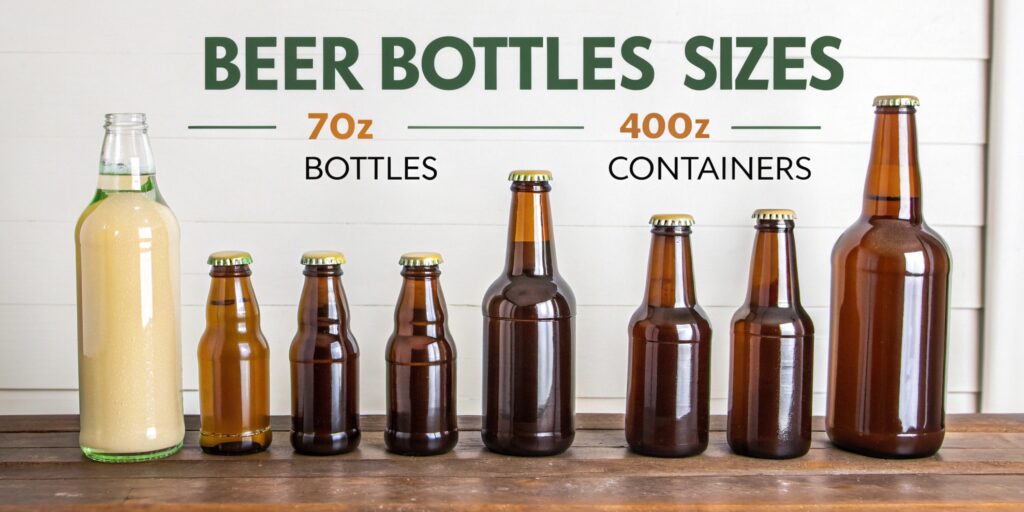
The beer bottle sizes we see today are the result of decades of industry evolution. Let's explore why your favorite brew comes in the package it does.
Why Are Beer Bottles 12 oz?
The 12oz bottle has become the standard for a reason - it's not just random tradition.
The 12oz size became popular because it offers the perfect single-serving portion while being easy to manufacture, transport, and store - hitting the sweet spot between consumer needs and production efficiency.
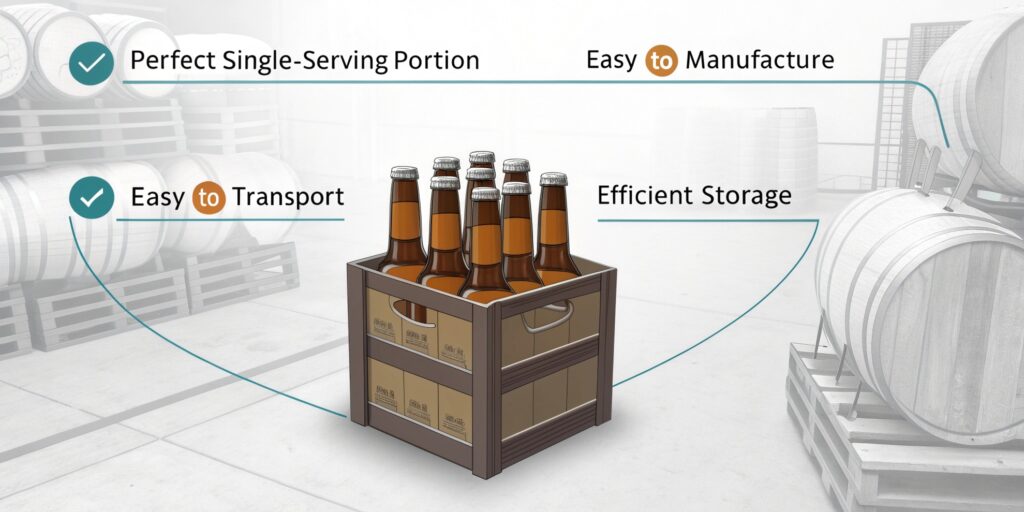
The Story Behind the 12oz Standard
-
Historical Origins
- Dates back to early 20th century bottling technology
- Originally based on British imperial measurements
- Matched typical serving sizes in pubs and taverns
-
Practical Advantages
- Light enough for easy handling (about 1lb when full)
- Fits standard case configurations (24 bottles per case)
- Compatible with most bottling equipment worldwide
| Factor | Benefit | Impact |
|---|---|---|
| Consumer Preference | Perfect single-drink size | 72% of US beer sales |
| Manufacturing | Efficient production | 8,000-12,000 bottles/hour |
| Transportation | Optimal weight distribution | 40 cases/pallet standard |
Why Did They Stop Using Stubby Beer Bottles?
Those iconic short, wide bottles didn't disappear by accident - several factors led to their decline.
Stubby bottles became less common because taller designs proved more efficient for modern production lines, shipment, and store displays while using slightly less glass per ounce of beer.

The Rise and Fall of Stubbies
-
Advantages They Once Had
- More durable shape resisted chipping
- Distinctive brand recognition
- Easier to stack manually
-
Why They Disappeared
- New bottling equipment favored taller designs
- Supermarket shelves preferred uniform heights
- Glass savings of 5-8% with taller bottles
| Era | Dominant Style | Reason for Change |
|---|---|---|
| 1950s-1970s | Stubbies | Manual handling friendly |
| 1980s-present | Longnecks | Automation compatibility |
Why Is Beer Sold in 40 oz Bottles?
The 40oz bottle serves a specific market niche that smaller sizes can't satisfy.
40oz bottles (called "forties") remain popular because they offer better value for money, are shareable at gatherings, and have become culturally significant in certain communities since their 1960s introduction.

The Economics and Culture of Forties
-
Consumer Benefits
- Lower cost per ounce (30-50% cheaper than six-packs)
- Convenient for parties and groups
- Less packaging waste than multiple small bottles
-
Market Factors
- Originally targeted budget-conscious drinkers
- Became symbols in hip-hop culture
- Still represent 15% of off-premise malt liquor sales
| Size | Price Point | Typical Buyer | Consumption Occasion |
|---|---|---|---|
| 12oz | Premium | Casual drinkers | Single serving |
| 40oz | Value | Group socializers | Sharing situations |
Why Are Beer Bottles That Shape?
Those distinctive longneck bottles weren't designed just for looks - every curve serves a purpose.
Beer bottles have their characteristic shape to protect against light exposure, maintain carbonation, facilitate pouring, and provide structural strength while fitting standard production and handling equipment.
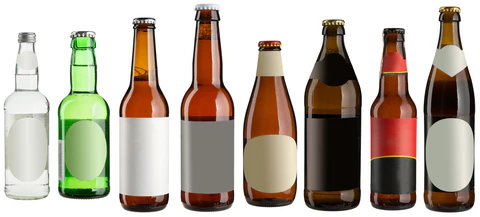
Bottle Geometry Explained
-
Neck Design
- Longnecks prevent lip contamination
- Standard 26mm opening fits most bottling lines
- Crown cap compatibility
-
Body Features
- Dark glass blocks UV light (prevents skunking)
- Concave bottom strengthens structure
- Label panel for branding
-
Industry Standards
- Height must fit filling machines
- Base diameter works with packaging
- Weight optimized for glass usage
| Feature | Purpose | Industry Standard |
|---|---|---|
| Amber color | Blocks 90% of UV light | Required for most beers |
| Rounded shoulders | Even pressure distribution | Prevents explosion risk |
| Ridge near base | Non-slip grip | Ergonomics requirement |
Conclusion
From convenient 12oz singles to shareable 40oz containers, beer bottle sizes and shapes reflect a balance of consumer needs, production realities, and cultural trends.