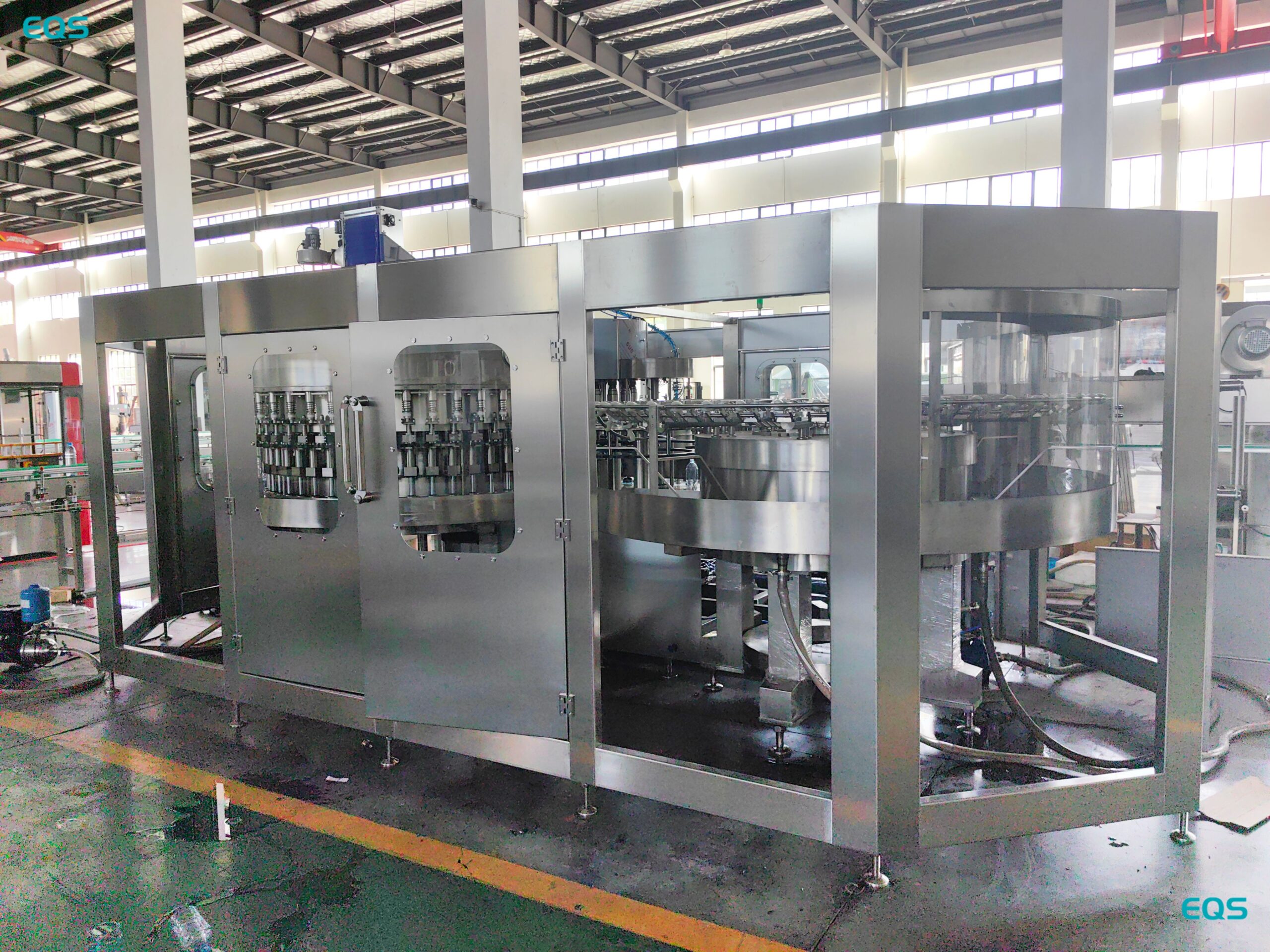
What's the Best Kind of Filling Machine?
Choosing a filling machine can feel overwhelming. Which one is right for you?
The "best" filling machine depends on your specific needs, like the product you're filling, how much you need to produce, and your budget. Fully automatic machines are great for high volumes, while semi-automatic machines are better for smaller businesses.
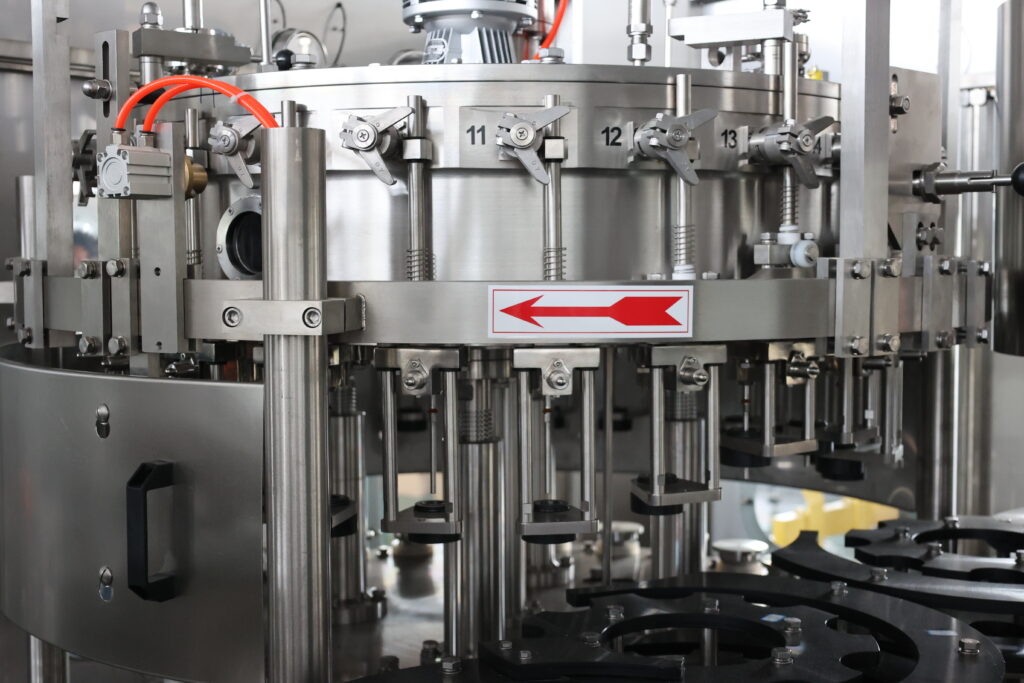
Let's explore the different types of filling machines to help you find the perfect fit.
What Are the Different Types of Filling Machines?
Are you curious about the variety of filling machines available? There's a machine for almost every need!
There are several types of filling machines, including volumetric, gravity, piston, pump, and net weight fillers. Each type is suited for different products and production volumes.
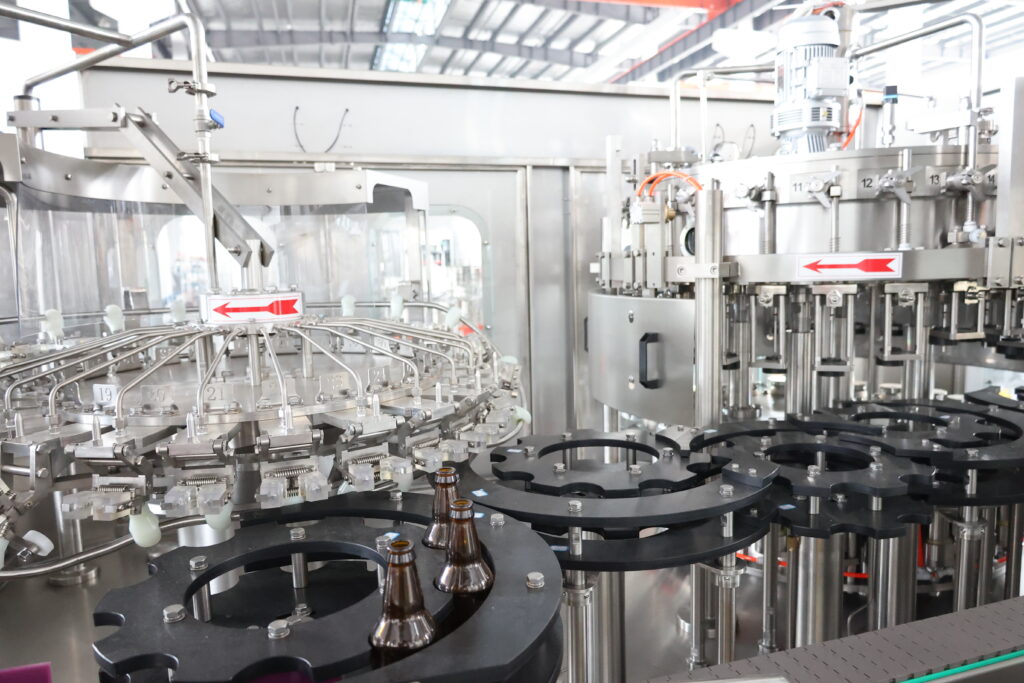
Let's take a closer look at each type.
Exploring the World of Filling Machines
Choosing the right filling machine involves understanding the strengths and weaknesses of each type.
| Machine Type | Description | Best For |
|---|---|---|
| Volumetric Filler | Measures and dispenses product based on volume. Uses pistons, cups, or timed flow. | Liquids with consistent viscosity, like juices, sauces, and oils. |
| Gravity Filler | Dispenses product using gravity. Simple design, suitable for free-flowing liquids. | Low-viscosity liquids, like water, spirits, and thin beverages. |
| Piston Filler | Uses a piston to draw product into a cylinder and then expel it into the container. Accurate and versatile. | Viscous products, like creams, gels, and pastes. |
| Pump Filler | Uses a pump to dispense product. Different pump types (e.g., gear, lobe, peristaltic) are suitable for various products. | Wide range of liquids, from thin to viscous, including those with particulates. |
| Net Weight Filler | Weighs the product as it's dispensed. Highly accurate, especially for expensive products. | High-value liquids, powders, and solids where precise filling is crucial. |
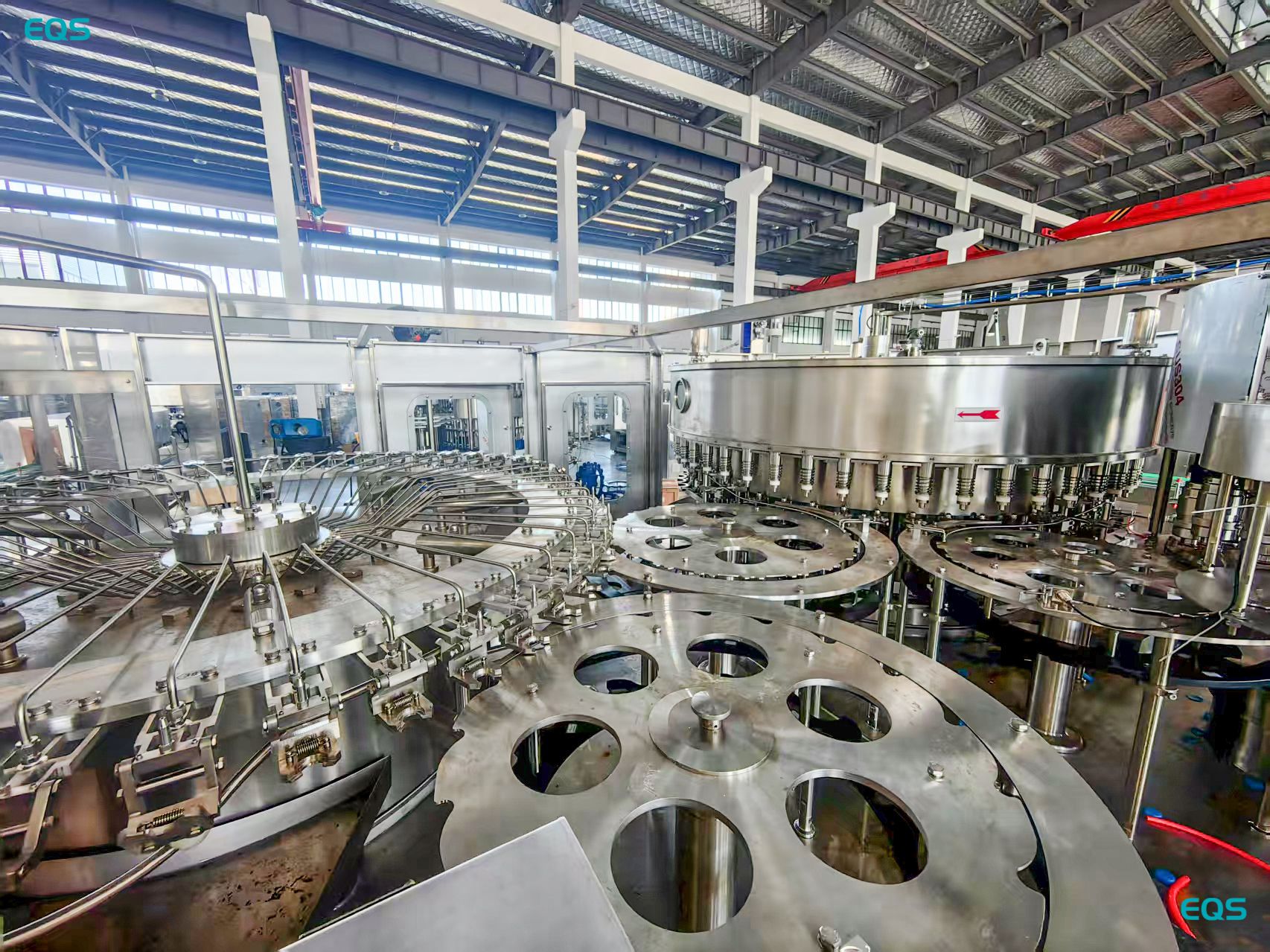
As a company focused on liquid packaging solutions, EQS offers a variety of filling machines to meet different needs. We even have a patented aseptic filling technology from Italy's Coman.
Which Method Is Used for Liquid Filling?
Are you wondering about the most common methods for filling liquids? There are a few key techniques.
The most common methods for liquid filling include volumetric filling, gravity filling, and pressure filling. The choice of method depends on the liquid's viscosity, desired accuracy, and production speed.
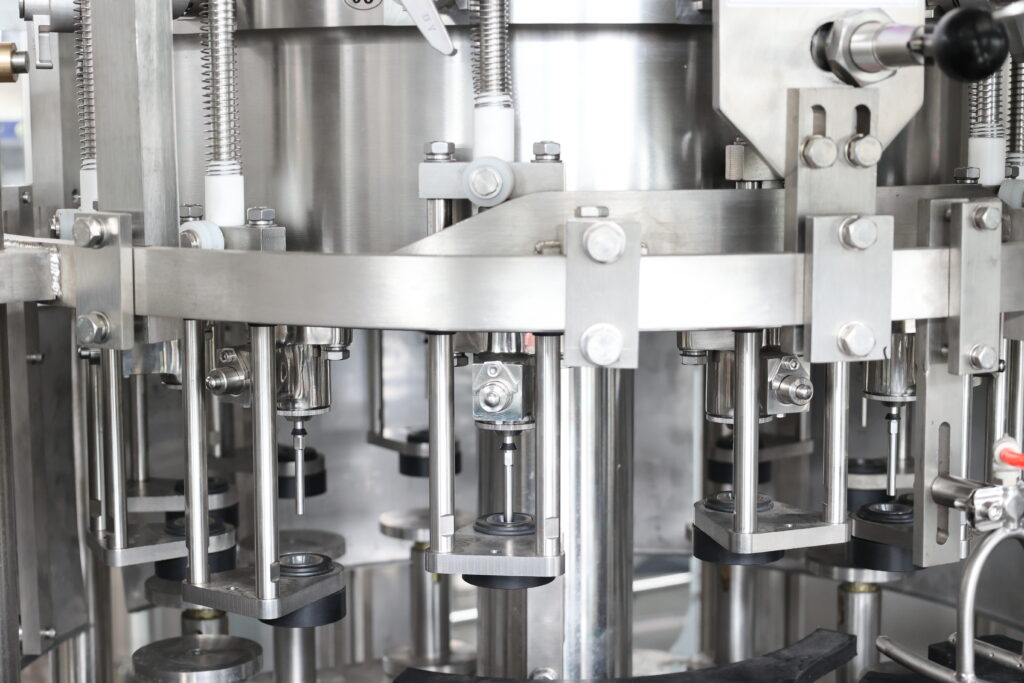
Let's dive into these methods and when they are most effective.
Choosing the Right Liquid Filling Method
Selecting the right filling method is essential for efficiency and accuracy.
| Method | Description | Advantages | Disadvantages |
|---|---|---|---|
| Volumetric Filling | Measures liquid by volume using pistons, cups, or timed flow. | Versatile, can handle a wide range of viscosities, relatively fast. | Accuracy can be affected by changes in product density or temperature. |
| Gravity Filling | Dispenses liquid using gravity. Liquid flows from a tank into the container. | Simple, cost-effective, good for free-flowing liquids. | Not suitable for viscous liquids, slower than other methods. |
| Pressure Filling | Uses pressurized air or gas to force liquid into the container. | Fast, can handle foamy or carbonated liquids. | Requires careful control of pressure to prevent overfilling or damage to containers. |
I once worked with a beverage company that was having trouble filling carbonated soft drinks. They were using a volumetric filler, which caused excessive foaming and inconsistent fill levels. By switching to a pressure filler, they were able to fill the bottles quickly and accurately, with minimal foaming. This highlights the importance of choosing the right method for the specific liquid being filled.
What Is the Cost of a CSD Filling Machine?
Are you curious about the investment required for a carbonated soft drink (CSD) filling machine? Costs can vary widely.
The cost of a CSD filling machine can range from \$10,000 for a semi-automatic machine to \$500,000 or more for a fully automated, high-speed line. The price depends on factors like capacity, automation level, and included features.
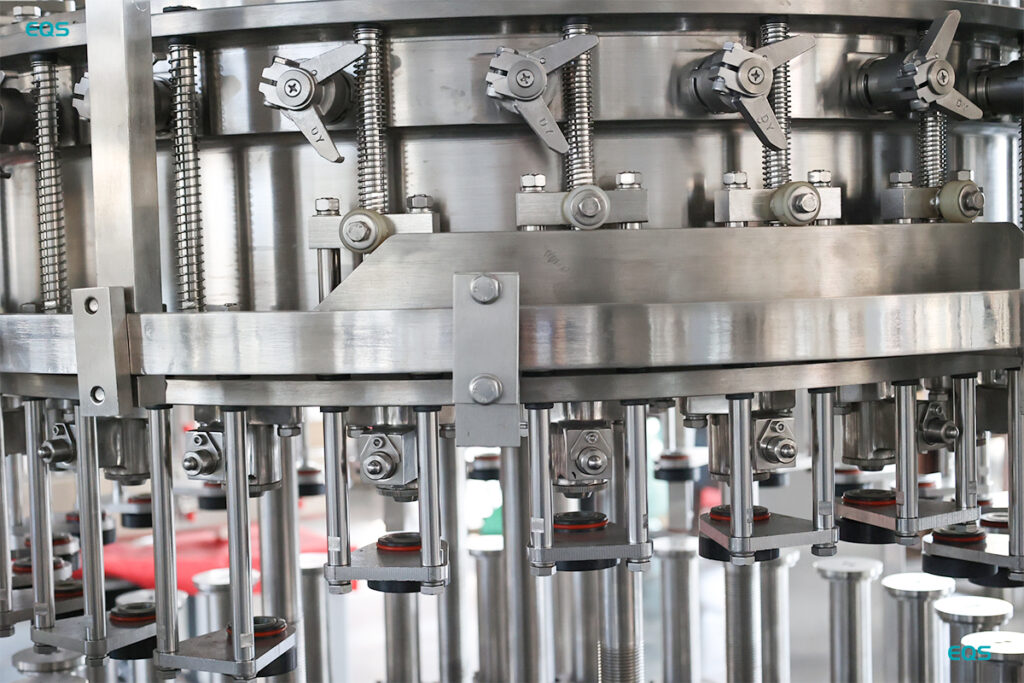
Let's break down the factors that influence the price.
Understanding the Cost Factors
The price of a CSD filling machine is influenced by several key factors.
| Factor | Impact on Cost | Explanation |
|---|---|---|
| Automation Level | Semi-automatic machines are less expensive than fully automatic lines. | Fully automated lines require more complex controls, sensors, and robotics, increasing the cost. |
| Capacity | Higher capacity machines (bottles per hour) are more expensive. | Higher capacity requires larger, more powerful components and more sophisticated engineering. |
| Features | Additional features like automatic capping, labeling, and coding increase the cost. | These features add complexity to the machine and require additional components. |
| Brand | Well-established brands with a reputation for quality and reliability often charge more. | Brand reputation reflects the investment in research, development, and customer support. |
At EQS, we offer CSD filling solutions ranging from individual machines to complete turnkey lines. We understand that budget is a key consideration, and we work with our clients to find the most cost-effective solution for their needs. For example, a smaller company might start with a semi-automatic filler and then upgrade to a fully automated line as their production volume increases.
What Is a Quantitative Filling Machine?
Have you heard the term "quantitative filling machine" and wondered what it means? It's all about precision.
A quantitative filling machine is a machine that fills containers with a precise, predetermined amount of product, whether by volume, weight, or other measurable quantity. This ensures consistency and accuracy in the filling process.
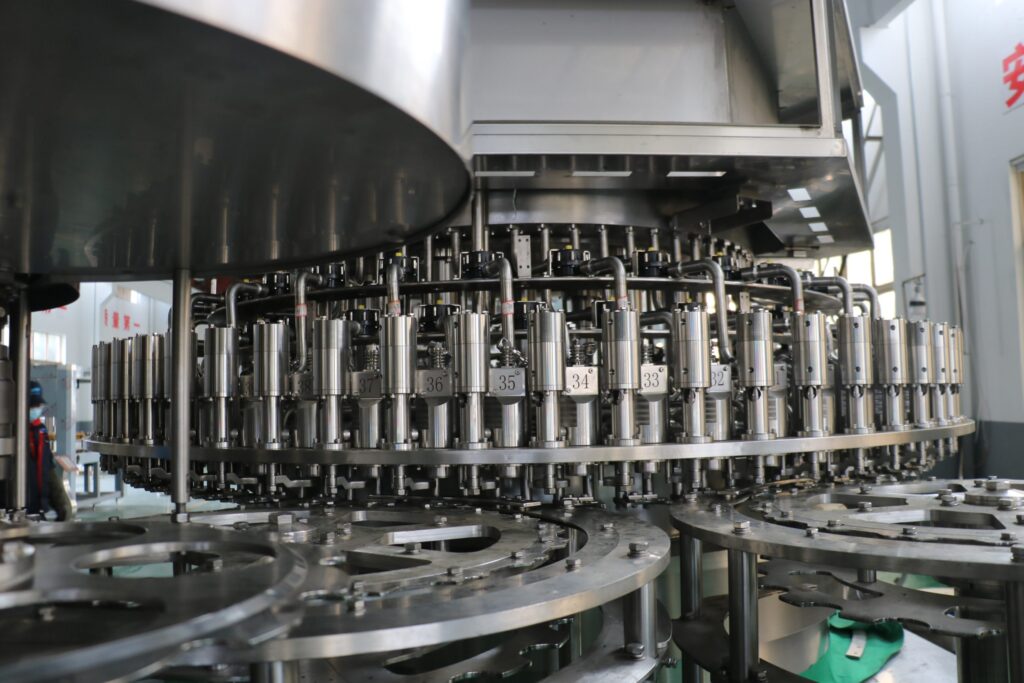
Let's explore the importance of quantitative filling.
The Importance of Quantitative Filling
Quantitative filling is essential for maintaining product quality, meeting regulatory requirements, and ensuring customer satisfaction.
| Benefit | Explanation | Example |
|---|---|---|
| Consistency | Ensures that every container has the same amount of product. | A food manufacturer uses a quantitative filler to ensure that every jar of jam contains exactly 12 ounces. |
| Accuracy | Minimizes product waste and reduces the risk of underfilling or overfilling. | A pharmaceutical company uses a quantitative filler to ensure that each vial of medication contains the correct dosage. |
| Regulatory Compliance | Helps companies meet labeling requirements and avoid penalties for inaccurate filling. | A cosmetic company uses a quantitative filler to ensure that the net weight listed on the product label is accurate. |
| Cost Savings | Reduces product giveaway, minimizes waste, and improves efficiency. | A chemical company uses a quantitative filler to reduce the amount of expensive raw materials wasted during the filling process. |
I worked with a client who was struggling to maintain consistent fill levels with their old filling machine. As a result, they were giving away extra product in each container, which was cutting into their profits. By investing in a quantitative filling machine, they were able to improve their fill accuracy, reduce product waste, and increase their profitability. This demonstrates the clear financial benefits of using a quantitative filling machine.
Conclusion
Choosing the best filling machine requires careful consideration of your specific needs and budget. By understanding the different types of filling machines and their capabilities, you can make an informed decision that will improve your production efficiency and product quality.
My name is Allen, and I'm an expert in filling machine technology at EQS (eqsfilling.com), a leading liquid packaging solution provider based in China. If you're looking for top-quality filling machines for your production line, feel free to reach out to me at [email protected]. We specialize in providing customizable solutions with cutting-edge technology.