What Would Beer Taste Like Without Carbonation?
Ever wonder what makes beer so bubbly and refreshing? What if that fizz disappeared?
Beer without carbonation tastes bland and lacks the crisp, refreshing sensation we expect. Carbon dioxide enhances the flavor and provides the bubbly texture, making carbonation essential to the overall beer-drinking experience.
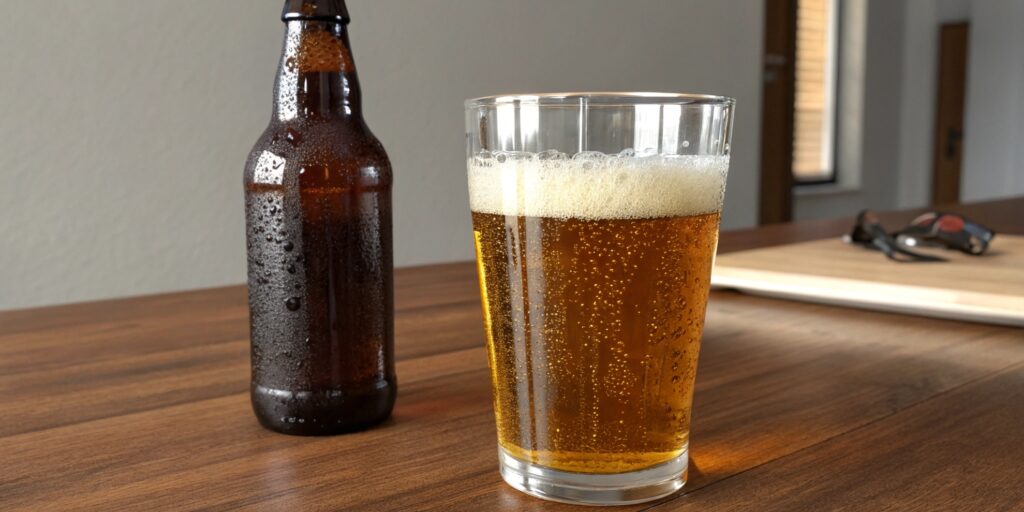
Let's explore what happens when beer loses its fizz and how it affects the taste.
Can You Drink Beer Without Carbonation?
Curious if it's even possible to drink beer that's gone flat? Let's find out!
Yes, you can drink beer without carbonation, but it won't be as enjoyable. The beer will taste dull, and the lack of bubbles will change the texture. While it's safe, it's definitely not the ideal way to enjoy a beer.
Dive Deeper
Think of carbonation as a key part of the beer's structure. It does more than just add bubbles. Here's a more detailed breakdown:
- Flavor Enhancement: Carbon dioxide carries aroma compounds to your nose, enhancing the beer's smell and taste.
- Texture: The bubbles create a light and refreshing mouthfeel.
- Perception: Carbonation affects how you perceive the beer's bitterness and sweetness.
| Aspect | Effect of Carbonation | Effect of No Carbonation |
|---|---|---|
| Flavor | Enhanced and more aromatic | Muted and less pronounced |
| Texture | Crisp, bubbly, and refreshing | Flat, heavy, and less appealing |
| Overall Enjoyment | Significantly higher | Noticeably lower |
I remember one time when I accidentally left a bottle of my favorite stout open overnight. The next day, it was completely flat. I took a sip, and it was like drinking a completely different beer! All the roasty, chocolatey flavors were still there, but they were dull and lifeless. It taught me a valuable lesson about the importance of carbonation.
What Would Beer Taste Like Without Hops?
Thinking about what gives beer its bitterness and aroma? It's all about the hops!
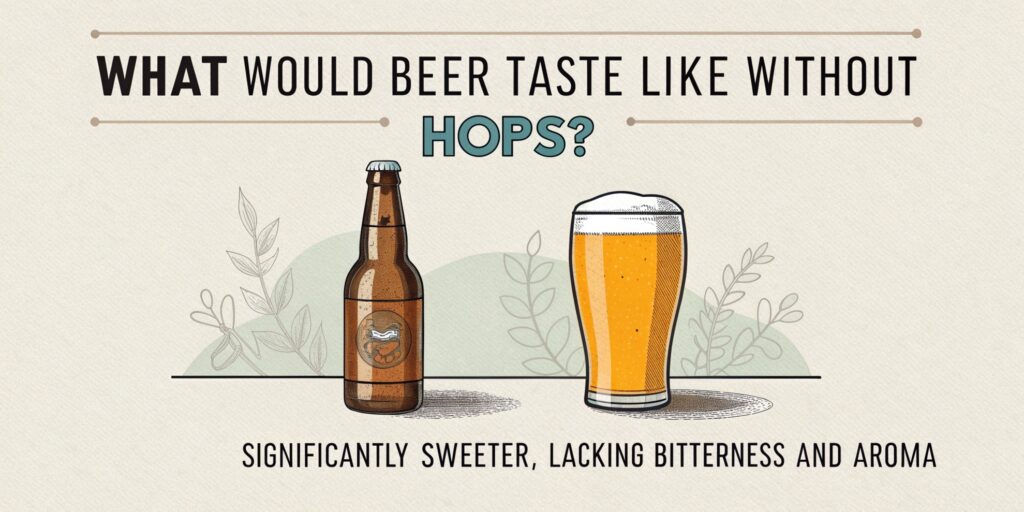
Beer without hops would taste significantly sweeter and lack the characteristic bitterness and aroma that balance the malt flavors. Hops contribute essential oils and acids that define many popular beer styles.
Dive Deeper
Let's break down the role of hops in beer:
- Bitterness: Hops contain alpha acids that, when boiled, create bitterness.
- Aroma: Essential oils in hops provide floral, citrus, and herbal aromas.
- Preservation: Hops have antibacterial properties that help preserve the beer.
| Component | Hops Role | Effect of Absence |
|---|---|---|
| Alpha Acids | Contribute bitterness to balance sweetness. | Beer tastes overly sweet and unbalanced. |
| Essential Oils | Provide aroma and flavor compounds. | Beer lacks complexity and aromatic appeal. |
| Preservatives | Inhibit bacterial growth, enhancing shelf life. | Beer is more susceptible to spoilage. |
I once read about a historical experiment where brewers tried to make beer without hops. The result was a sweet, uninteresting drink that quickly spoiled. It really highlighted how crucial hops are to the brewing process.
What Does Flat Beer Taste Like?
Ever had a beer that's gone flat? It's not the best experience, but what exactly does it taste like?
Flat beer tastes dull, lifeless, and often sweeter than its carbonated counterpart. The lack of carbonation mutes the flavors and changes the overall drinking experience.
Dive Deeper
Here's what happens when beer loses its carbonation:
- Flavor Reduction: Carbon dioxide enhances the volatile compounds that contribute to the beer's flavor.
- Mouthfeel Change: The absence of bubbles makes the beer feel heavier and less refreshing.
- Perception Alteration: The balance between bitterness and sweetness shifts, often making the beer taste sweeter.
| Aspect | Carbonated Beer | Flat Beer |
|---|---|---|
| Flavor | Bright, pronounced, and complex | Muted, dull, and less complex |
| Mouthfeel | Crisp, refreshing, and effervescent | Heavy, flat, and less appealing |
| Overall Taste | Balanced and enjoyable | Often sweet, unbalanced, and less enjoyable |
I accidentally had a flat beer once. I was at a barbecue and left my beer sitting out in the sun for too long. When I finally took a sip, it was warm and flat. It tasted like sweet, malty water – nothing like the crisp, refreshing IPA it was supposed to be.
What Does Oxidized Beer Taste Like?
Wondering what happens when beer gets exposed to too much air? The answer is oxidation, and it changes the taste significantly.
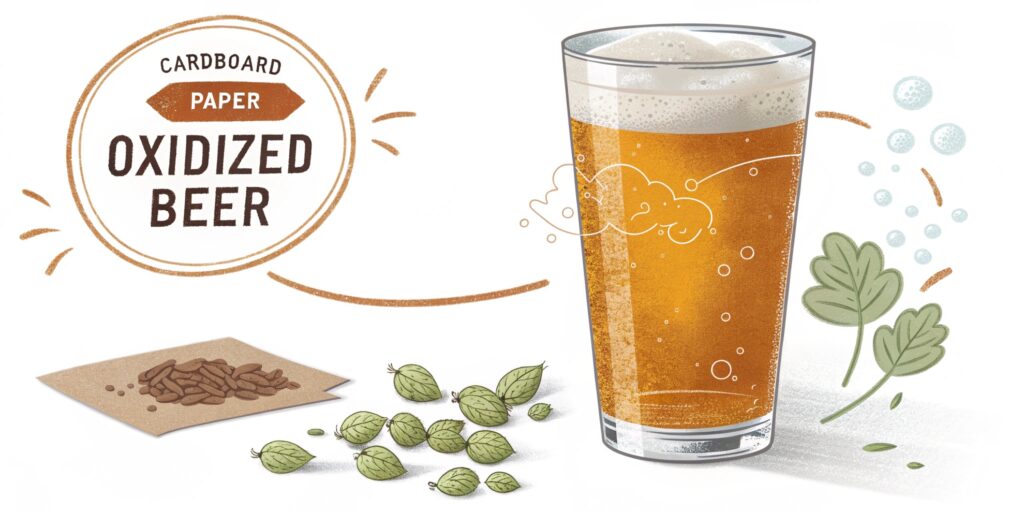
Oxidized beer often tastes like cardboard, paper, or sherry. These off-flavors develop as oxygen reacts with the beer's compounds, degrading its original taste profile.
Dive Deeper
Let's explore how oxidation affects beer:
- Staling: Oxygen reacts with the beer's compounds, leading to stale flavors.
- Flavor Changes: The original flavors fade, and undesirable flavors emerge.
- Appearance: Oxidized beer may become darker and develop a sherry-like aroma.
| Change | Description | Impact on Taste |
|---|---|---|
| Staling | Reaction of oxygen with beer compounds. | Cardboard, paper, or stale flavors develop. |
| Flavor Fade | Original flavors degrade over time. | Loss of hop aroma and malt character. |
| Sherry-like Aroma | Oxidation can produce sherry-like notes. | Sweet, fortified wine-like flavors appear. |
I had a customer in South America complain about his beer tasting like cardboard. After some investigation, we discovered that his bottling process wasn't properly purging the bottles with CO2 before filling. This allowed oxygen to get trapped in the bottles, leading to oxidation. Once he fixed the process, the problem disappeared.
Conclusion
Carbonation, hops, and proper storage all play vital roles in the taste of beer. Without them, the beer can become bland, unbalanced, or develop off-flavors.