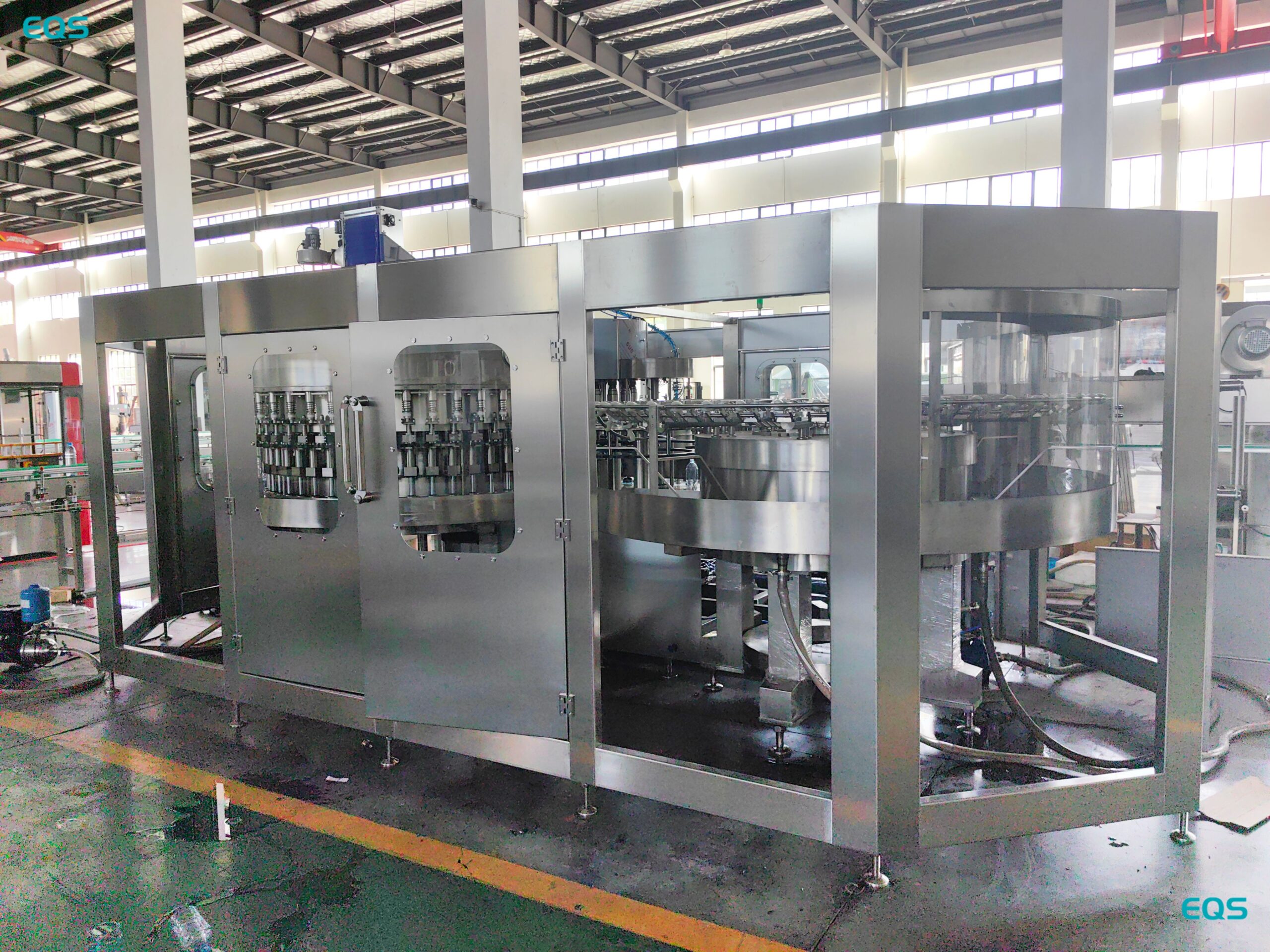
What Kind of Bottle Can a Bottle Blowing Machine Produce?
Leading paragraph:
Ever wondered how those perfectly shaped bottles are made? Bottle blowing machines are more versatile than you might think!
Snippet paragraph:
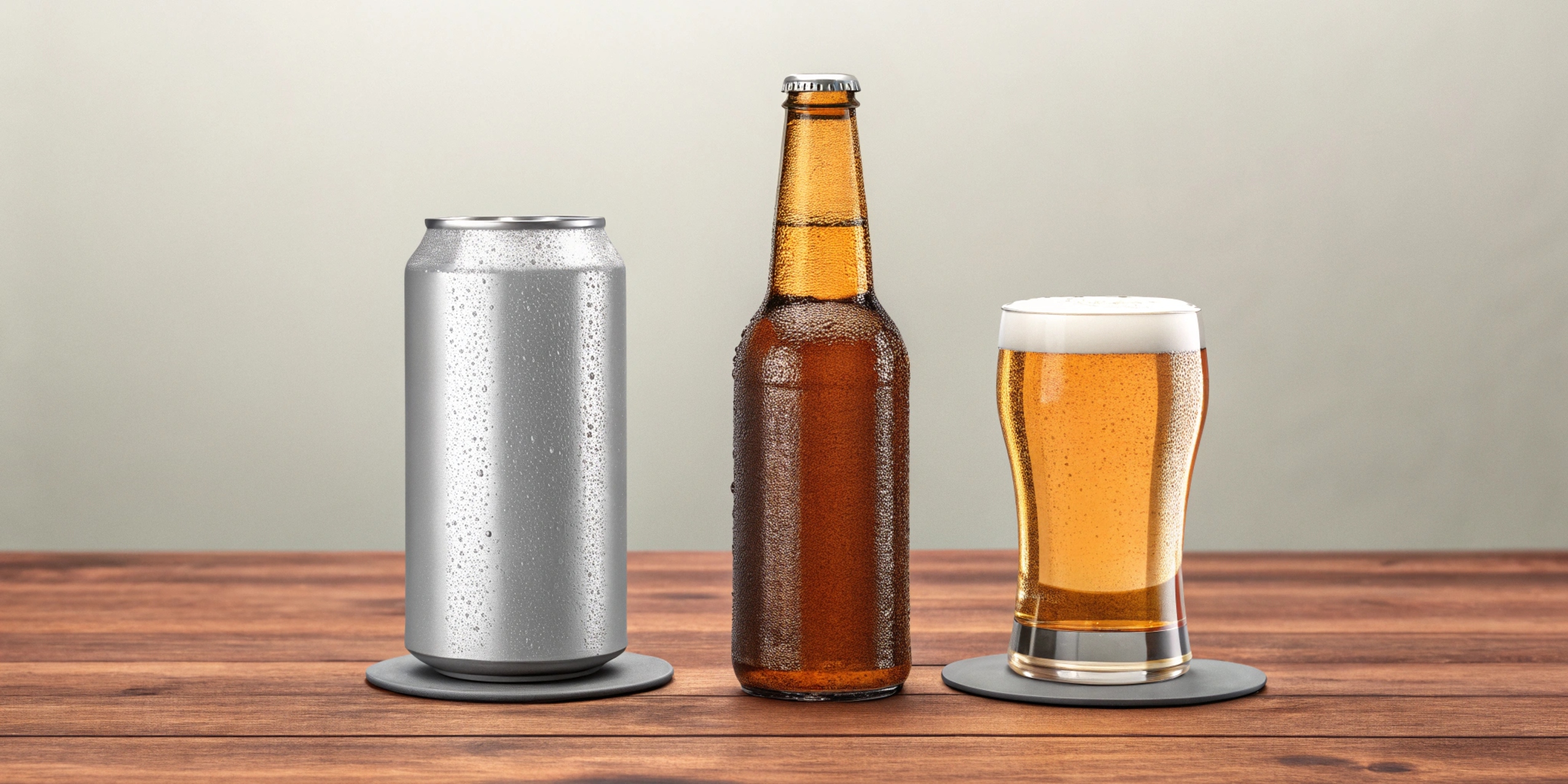
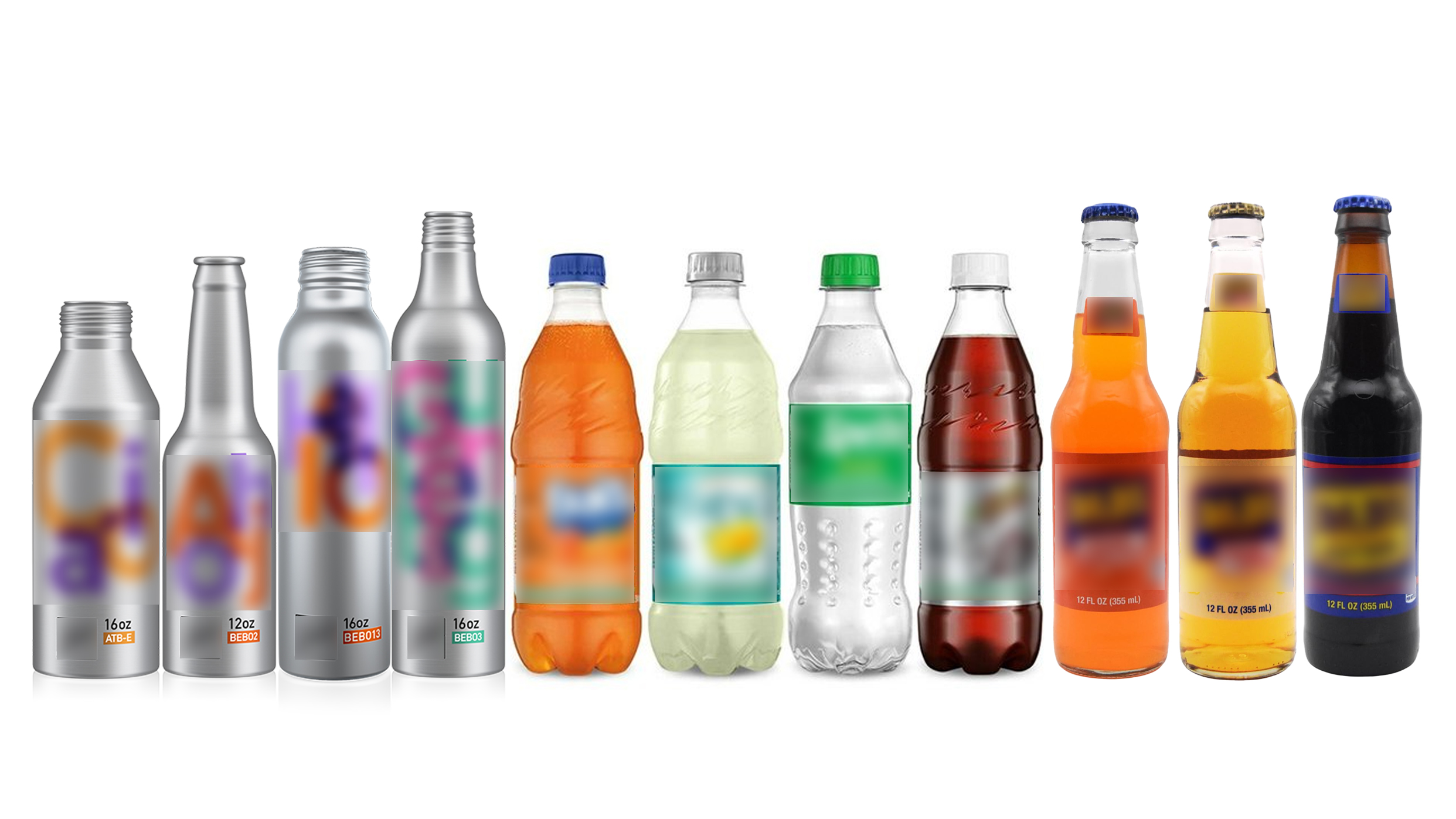
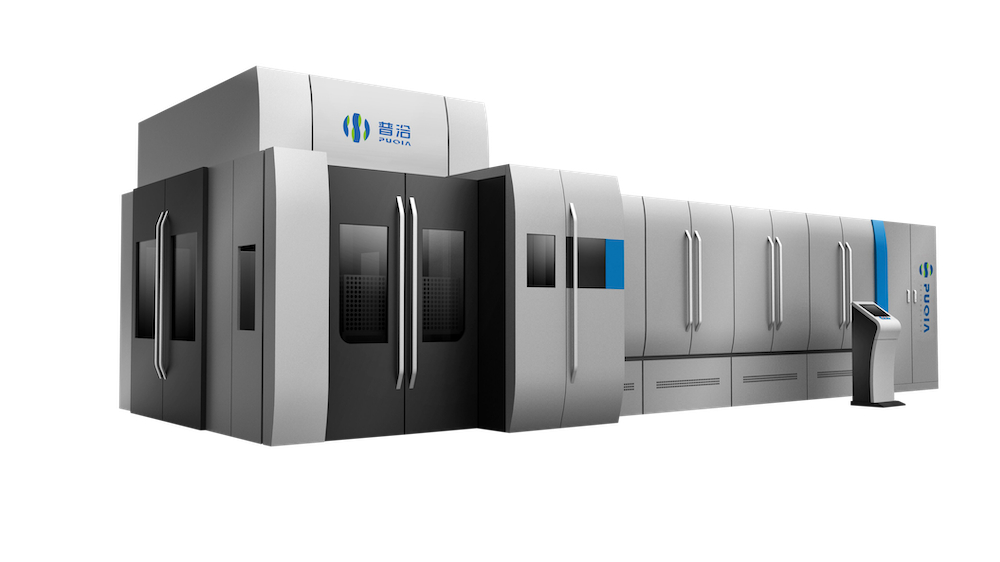
A bottle blowing machine can produce bottles made of various materials such as PET, HDPE, LDPE, PP, PVC, PC, and recyclable rPET. It can manufacture containers of various shapes and sizes, ranging from small medicine bottles to large water buckets, and can customize unique shapes and designs according to needs.
Transition Paragraph:
Let's dive deeper into the capabilities of bottle blowing machines and the variety of bottles they can create.
What is the use of a bottle blowing machine?
Leading paragraph:
Beyond just making bottles, what exactly does a bottle blowing machine do? Let's explore its core functions.
Snippet paragraph:
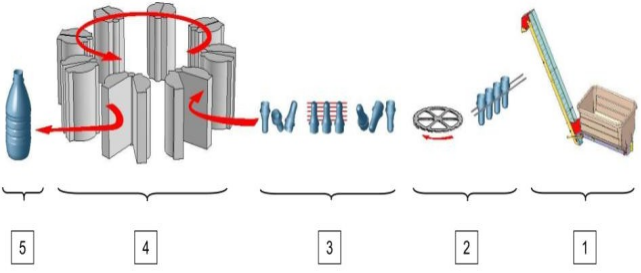
The primary use of a bottle blowing machine is to manufacture hollow plastic containers by inflating a heated plastic preform or parison inside a mold. This process creates bottles and containers of various shapes, sizes, and designs for packaging liquids, foods, and other products.
Dive deeper Paragraph:
Core Functionality: Shaping Plastic
- Heating: The machine heats a plastic preform (a small, test-tube-like piece of plastic) or parison (a hollow plastic tube) to a pliable temperature.
- Clamping: The heated plastic is then clamped inside a mold that defines the desired shape of the bottle.
- Inflation: Compressed air is blown into the plastic, forcing it to expand and conform to the shape of the mold cavity.
- Cooling: The plastic is cooled inside the mold to solidify its shape.
- Ejection: The finished bottle is ejected from the mold.
As someone familiar with the machinery, I can tell you the precision of these machines is impressive!
Versatility
- Different Materials: Bottle blowing machines can work with a wide range of plastics, including PET, HDPE, LDPE, PP, PVC, and PC, each with its own properties and applications.
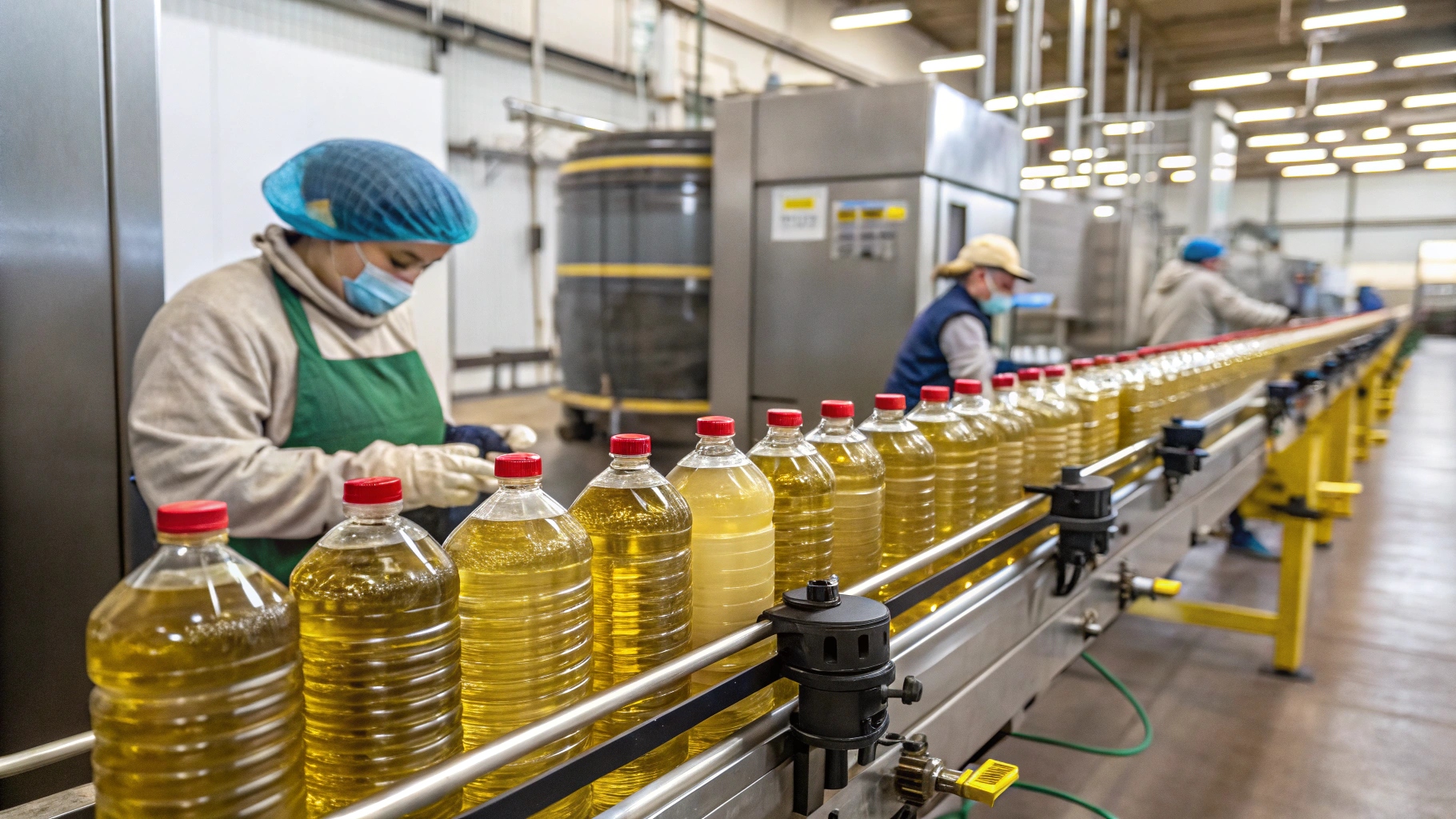
- Various Shapes and Sizes: They can produce bottles of various shapes and sizes, from small medicine bottles to large water bottles and industrial containers.
- Custom Designs: Molds can be customized to create unique bottle shapes and designs for branding and marketing purposes.
| Function | Description |
|---|---|
| Heating | Heats the plastic preform or parison to a pliable temperature |
| Clamping | Clamps the heated plastic inside a mold |
| Inflation | Blows compressed air into the plastic to expand it and conform to the mold shape |
| Cooling | Cools the plastic inside the mold to solidify its shape |
| Ejection | Ejects the finished bottle from the mold |
What does blowing into a bottle do?
Leading paragraph:
Why do we blow air into the plastic? It's all about shaping the final product.
Snippet paragraph:
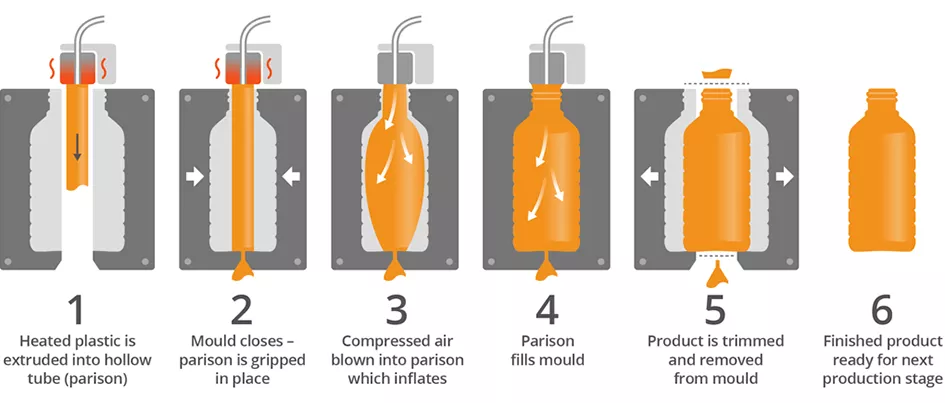
Blowing air into a bottle during the manufacturing process forces the heated plastic to expand and take the shape of the mold, creating the hollow container. This process ensures the bottle has the desired form, volume, and structural integrity.
Dive deeper Paragraph:
Expanding the Plastic
- Uniform Expansion: The compressed air ensures that the plastic expands uniformly against the mold walls, creating a consistent thickness throughout the bottle.
- Detailed Features: The air pressure forces the plastic into the intricate details of the mold, creating features such as threads, logos, and textured surfaces.
Ensuring Structural Integrity
- Wall Thickness: Proper air pressure and cooling ensure that the bottle has the required wall thickness to withstand internal pressure and external forces.
- Strength and Durability: The blowing process contributes to the overall strength and durability of the bottle, ensuring it can withstand handling, transportation, and use.
Key Parameters
- Air Pressure: The air pressure must be carefully controlled to achieve the desired expansion and wall thickness without causing defects such as thin spots or blowouts.
- Temperature Control: The temperature of the plastic must be precisely controlled to ensure it is pliable enough to expand but not so hot that it becomes weak or prone to tearing.
- Cooling Time: The cooling time must be sufficient to allow the plastic to solidify completely before the bottle is ejected from the mold.
| Aspect | Explanation |
|---|---|
| Uniform Expansion | Ensures consistent wall thickness and shape |
| Detailed Features | Creates threads, logos, and textured surfaces |
| Structural Integrity | Provides strength and durability to withstand handling and use |
What machine is used to make plastic bottles?
Leading paragraph:
So, what's the specific name for the machine that creates these plastic wonders?
Snippet paragraph:
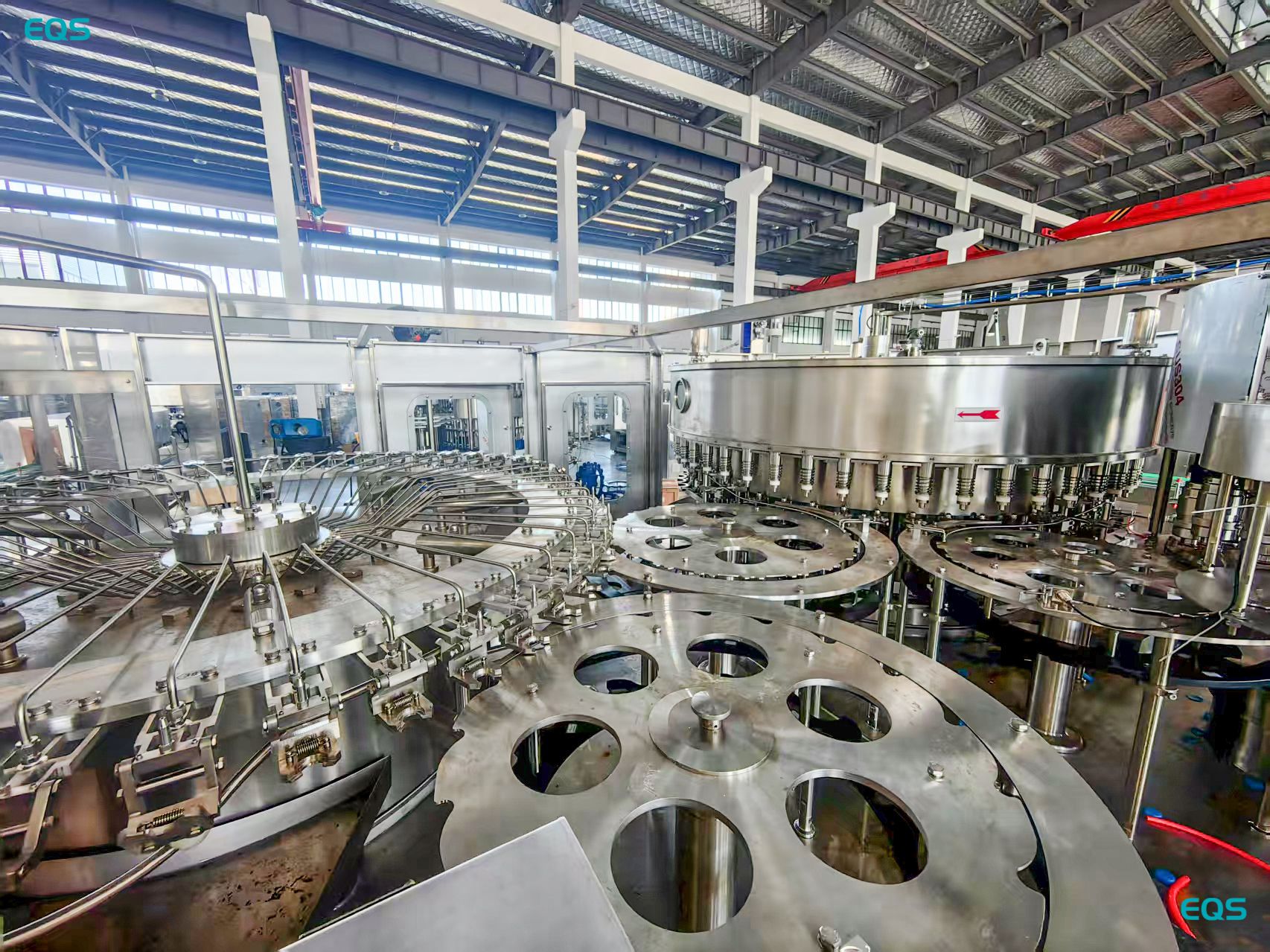
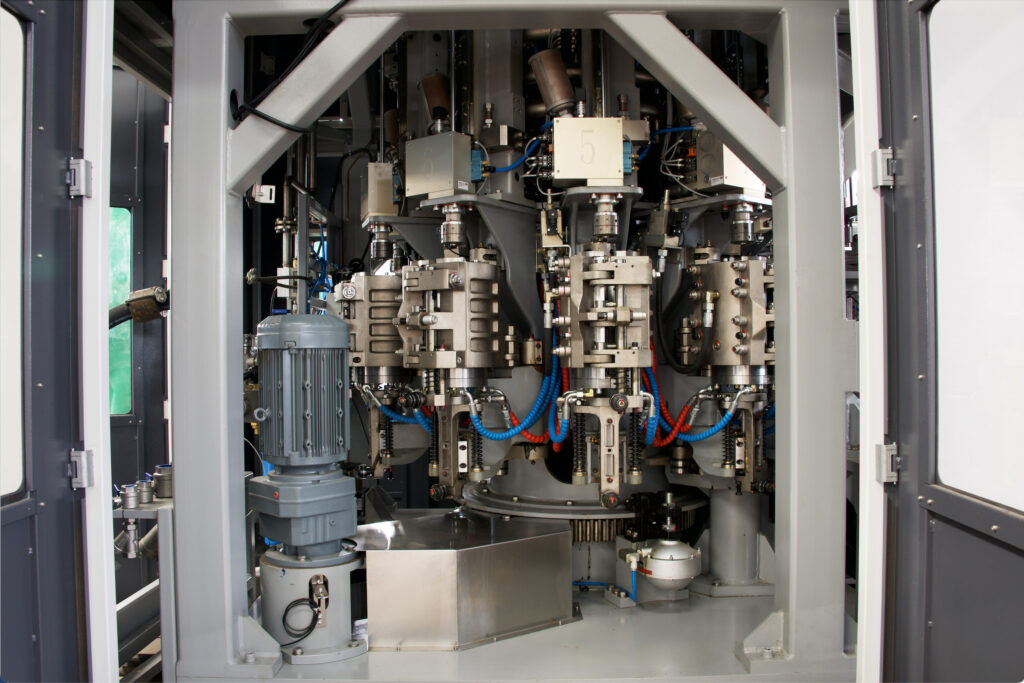
The machine used to make plastic bottles is called a bottle blowing machine, also known as a blow molding machine. There are several types of blow molding machines, including extrusion blow molding, injection blow molding, and stretch blow molding, each suited for different types of bottles and production volumes.
Dive deeper Paragraph:
Types of Blow Molding Machines
- Extrusion Blow Molding (EBM): This process involves extruding a hollow plastic tube (parison) and then clamping it into a mold. Compressed air is then blown into the parison to inflate it. EBM is commonly used for producing bottles with handles and complex shapes.
- Injection Blow Molding (IBM): This process involves injection molding a preform and then transferring it to a blow molding station where it is inflated. IBM is typically used for producing small, high-precision bottles such as those used for pharmaceuticals and cosmetics.
- Stretch Blow Molding (SBM): This process involves injection molding a preform and then stretching it both axially and radially before inflating it. SBM is commonly used for producing PET bottles for beverages and other products that require high clarity and strength.
Machine Components
- Heating System: Heats the plastic to the required temperature.
- Mold Clamping System: Holds the mold halves together during the blowing process.
- Air Compressor: Provides the compressed air for inflating the plastic.
- Cooling System: Cools the mold and the bottle to solidify the plastic.
- Control System: Regulates the various parameters of the process, such as temperature, pressure, and timing.
| Machine Type | Process | Ideal For |
|---|---|---|
| Extrusion Blow | Extrudes a parison and inflates it within a mold | Bottles with handles, complex shapes |
| Injection Blow | Injection molds a preform and then inflates it | Small, high-precision bottles (pharmaceuticals, cosmetics) |
| Stretch Blow | Injection molds a preform, stretches it, and then inflates it | PET bottles for beverages (high clarity, strength) |
What type of plastic bottles are there?
Leading paragraph:
From water bottles to shampoo containers, what different types of plastics are used? Let's explore the common materials.
Snippet paragraph:
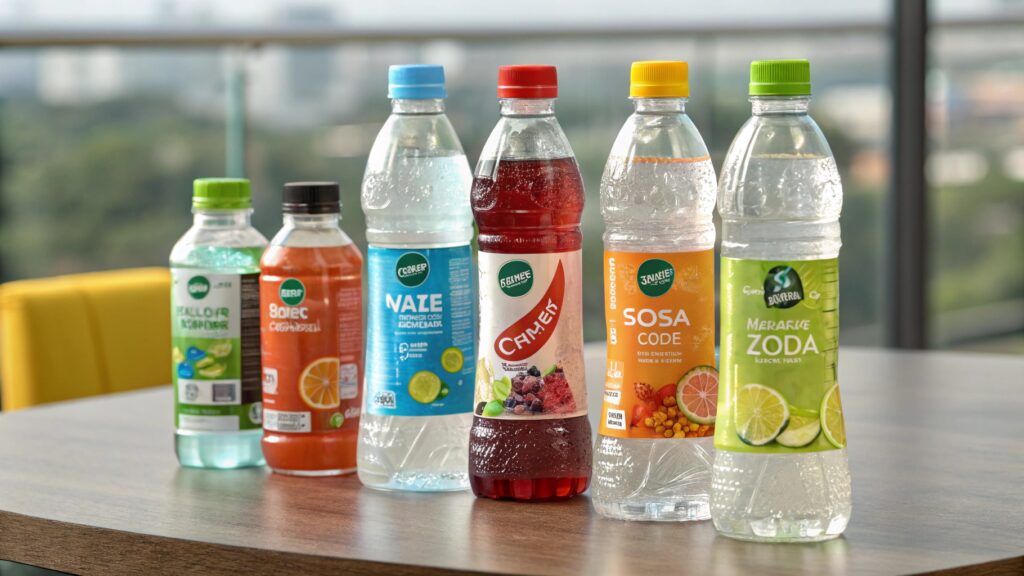
There are several types of plastic bottles, each made from different materials with varying properties. Common types include PET (Polyethylene Terephthalate), HDPE (High-Density Polyethylene), LDPE (Low-Density Polyethylene), PP (Polypropylene), PVC (Polyvinyl Chloride), and PC (Polycarbonate).
Dive deeper Paragraph:
Common Plastic Types
- PET (Polyethylene Terephthalate): Clear, strong, and lightweight, PET is commonly used for beverage bottles, food containers, and personal care products. It is recyclable and can be recycled into new bottles or other products.
- HDPE (High-Density Polyethylene): Rigid and durable, HDPE is used for milk jugs, detergent bottles, shampoo bottles, and other household and industrial containers. It is also recyclable.
- LDPE (Low-Density Polyethylene): Flexible and pliable, LDPE is used for squeeze bottles, plastic bags, and film packaging. It is recyclable in some areas.
- PP (Polypropylene): Strong and heat-resistant, PP is used for food containers, yogurt cups, medicine bottles, and automotive parts. It is also recyclable.
- PVC (Polyvinyl Chloride): Rigid and chemical-resistant, PVC is used for pipes, fittings, and some types of bottles. However, it is less commonly used for food and beverage containers due to concerns about chemical leaching.
- PC (Polycarbonate): Clear, strong, and heat-resistant, PC is used for water bottles, baby bottles, and electronic components. However, its use has declined due to concerns about BPA leaching.
| Plastic Type | Properties | Common Uses | Recyclability |
|---|---|---|---|
| PET | Clear, strong, lightweight | Beverage bottles, food containers, personal care products | Yes |
| HDPE | Rigid, durable | Milk jugs, detergent bottles, shampoo bottles, household/industrial containers | Yes |
| LDPE | Flexible, pliable | Squeeze bottles, plastic bags, film packaging | Limited |
| PP | Strong, heat-resistant | Food containers, yogurt cups, medicine bottles, automotive parts | Yes |
| PVC | Rigid, chemical-resistant | Pipes, fittings, some bottles (less common for food/beverage) | No |
| PC | Clear, strong, heat-resistant | Water bottles, baby bottles, electronic components (use declining due to BPA concerns) | No |
Conclusion
From water bottles to specialized containers, bottle blowing machines offer incredible versatility in shaping the plastic packaging we use every day.