What is the Best Packaging for Milk?
Leading paragraph:
Choosing the right milk packaging is tricky. It needs to keep milk fresh, be eco-friendly, and easy to use.
Snippet paragraph:
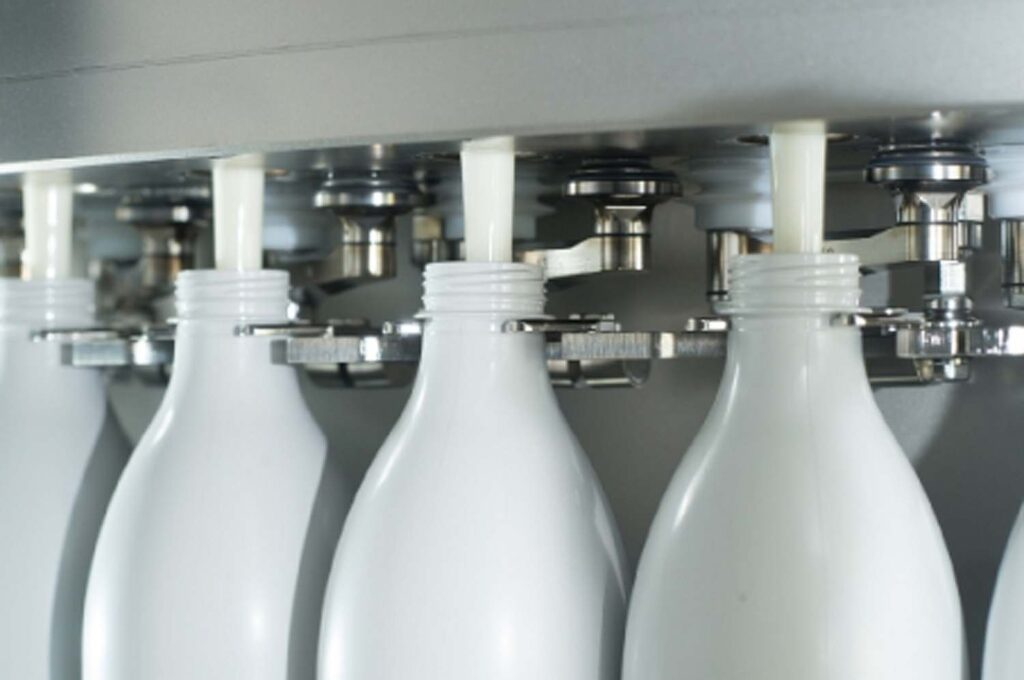
The best packaging for milk depends on what you value most. Plastic bottles and brick cartons excel at aseptic filling, ensuring safety and longer shelf life. However, glass offers superior taste preservation and recyclability, while cartons balance sustainability and convenience.
Transition Paragraph:
So, which option truly rises to the top? Let's dive deeper and explore the pros and cons of each type.
Which Packaging is Best for Milk?
Leading paragraph:
Ever wonder why milk comes in so many different containers? Each material offers unique advantages.
Snippet paragraph:
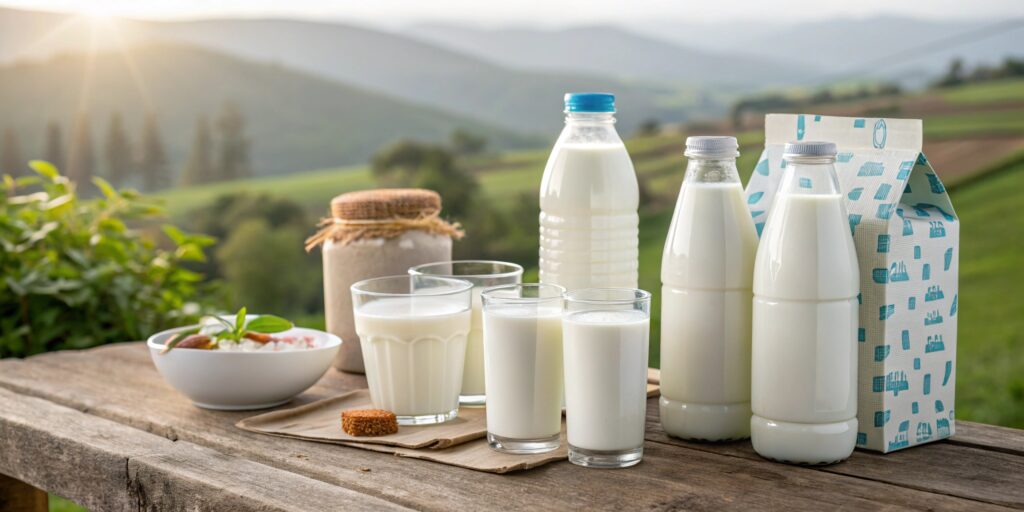
The best milk packaging depends on your priorities. HDPE plastic bottles are lightweight and provide a good barrier. Brick cartons are sustainable and space-saving. Glass preserves taste but is heavier.
Dive deeper Paragraph:
When choosing the best packaging, it's important to consider several factors. Cost is a big one; plastic is generally cheaper, while glass is more expensive to produce and transport. Then there's shelf life – how long do you want the milk to stay fresh? Aseptic cartons, thanks to their multi-layered design, win here. Finally, think about convenience. Do you want a lightweight bottle that's easy to pour, or are you okay with the extra weight of glass for its other benefits?
Ultimately, the best packaging is a balance of all these elements.
| Feature | Plastic (HDPE) | Brick Carton | Glass |
|---|---|---|---|
| Cost | Low | Medium | High |
| Shelf Life | Medium | High | Medium |
| Weight | Light | Light | Heavy |
| Recyclability | Yes | Partial | Yes |
| Taste | Neutral | Neutral | Preserves |
What is the Most Sustainable Packaging for Milk?
Leading paragraph:
Want to reduce your environmental impact? Milk packaging offers different sustainability levels.
Snippet paragraph:
The most sustainable milk packaging is a complex question. Glass is highly recyclable but heavy to transport. Brick cartons use renewable paperboard, but have plastic and aluminum layers. Plant-based plastics are emerging but not yet widespread.
Dive deeper Paragraph:
Sustainability isn't just about recyclability. We need to consider the entire lifecycle of the packaging. For example, glass requires a lot of energy to produce and transport, offsetting some of its recycling benefits. Cartons often have a lower carbon footprint due to their lighter weight and use of renewable resources, but the plastic and aluminum layers can be difficult to separate for recycling.
There's no perfect answer, but choosing packaging made from recycled content, supporting local dairies to reduce transportation emissions, and properly recycling or composting your milk containers are all steps in the right direction. As someone working in the packaging industry in China, I'm seeing more and more interest in bio-based and compostable materials, which could be a game-changer for the future of sustainable milk packaging.
What is the Best Container for Milk?
Leading paragraph:
Beyond materials, the shape and features of a milk container impact its usability.
Snippet paragraph:
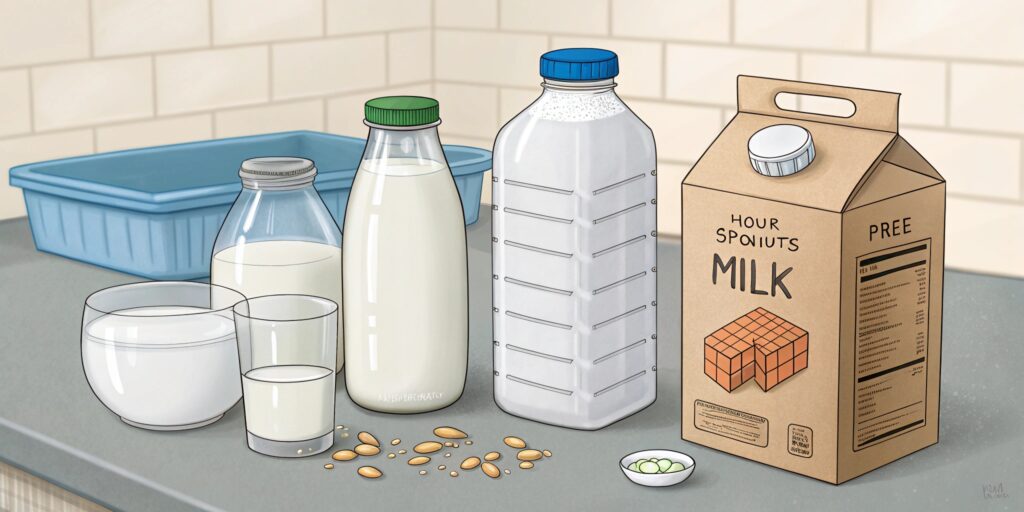
The best container for milk depends on your needs. Bottles are easy to pour and store. Brick are space-efficient and often come with resealable caps. Consider factors like fridge space, family size, and pouring preference.
Dive deeper Paragraph:
Think about how you use milk. Do you drink it straight from the container, or always pour it into a glass? Do you have limited fridge space? Do you need a container that's easy for kids to handle? Bottles, especially those with a handle, are generally easier to pour from, while cartons take up less space in the fridge.
Also, consider the closure. Some cartons have simple tear-away openings, while others have resealable caps, which can help keep the milk fresher for longer. For larger families, larger containers might make sense, even if they're a bit more awkward to handle. For smaller households, smaller, more manageable containers might be a better choice.
Is it Better to Store Milk in Glass or Plastic?
Leading paragraph:
Does the container material affect milk's taste and shelf life? Let's explore glass vs. plastic.
Snippet paragraph:
Storing milk in glass is often considered better for taste, as glass is inert and doesn't leach flavors. Plastic can sometimes impart a slight taste. However, both glass and opaque plastic protect milk from light, which can degrade nutrients and flavor.
Dive deeper Paragraph:
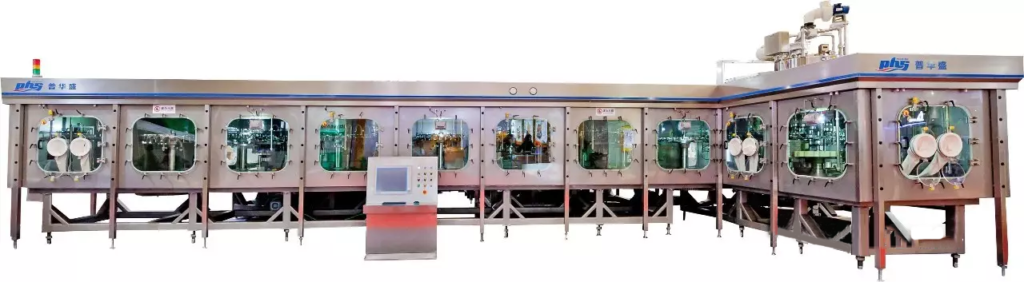
The biggest advantage of glass is its non-reactivity. It won't alter the taste of the milk, whereas some plastics can, especially if the milk is stored for a long time or exposed to temperature changes. However, the type of plastic matters. HDPE, commonly used for milk bottles, is relatively stable and doesn't leach chemicals easily.
Both glass and opaque plastic containers protect milk from light, which is a major factor in milk spoilage. Light can break down vitamins and cause off-flavors. That's why you rarely see milk sold in clear plastic containers. So, while glass might have a slight edge in terms of taste, both materials can effectively preserve milk's quality if they're opaque and stored properly.
Conclusion
Choosing the right milk packaging involves balancing sustainability, freshness, and convenience. Consider what matters most to you!
My name is Allen, and I'm an expert in filling machine technology at EQS (eqsfilling.com), a leading liquid packaging solution provider based in China. If you're looking for top-quality filling machines for your production line, feel free to reach out to me at [email protected]. We specialize in providing customizable solutions with cutting-edge technology.