What is BFS Technology? How Is It Applied to Soft Drinks?
Ever heard of BFS technology? It sounds complex, but it's a game-changer in manufacturing.
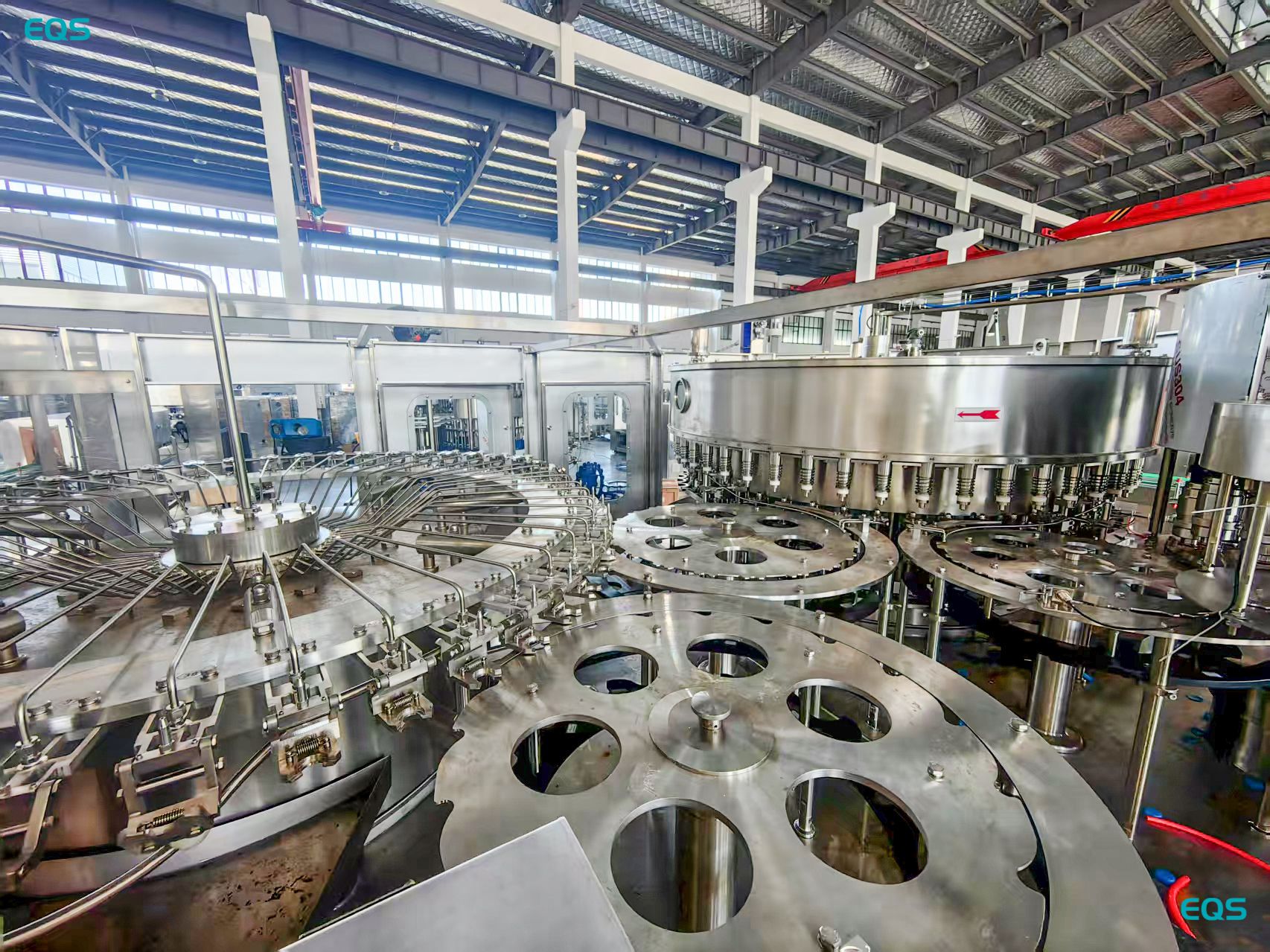
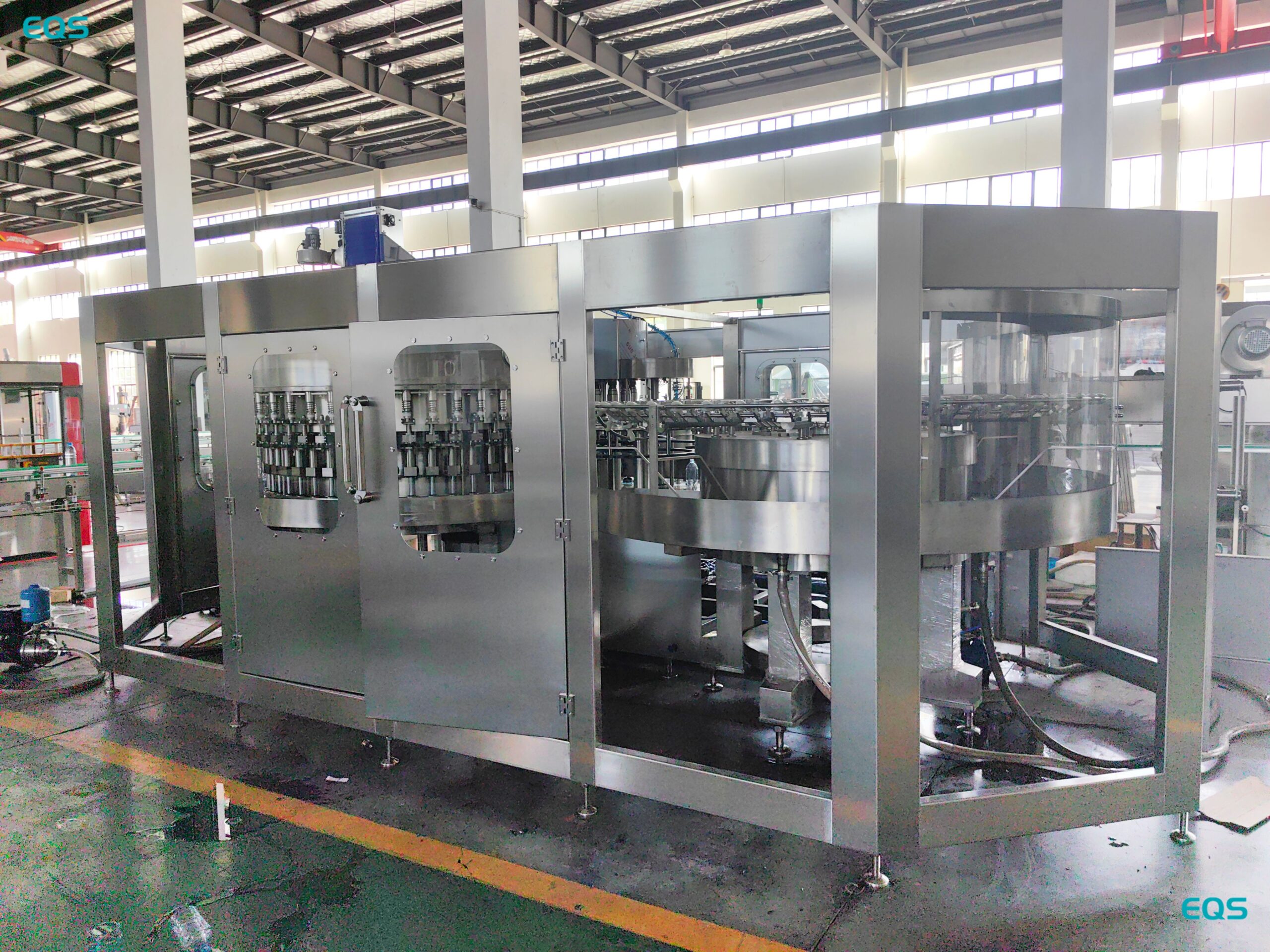
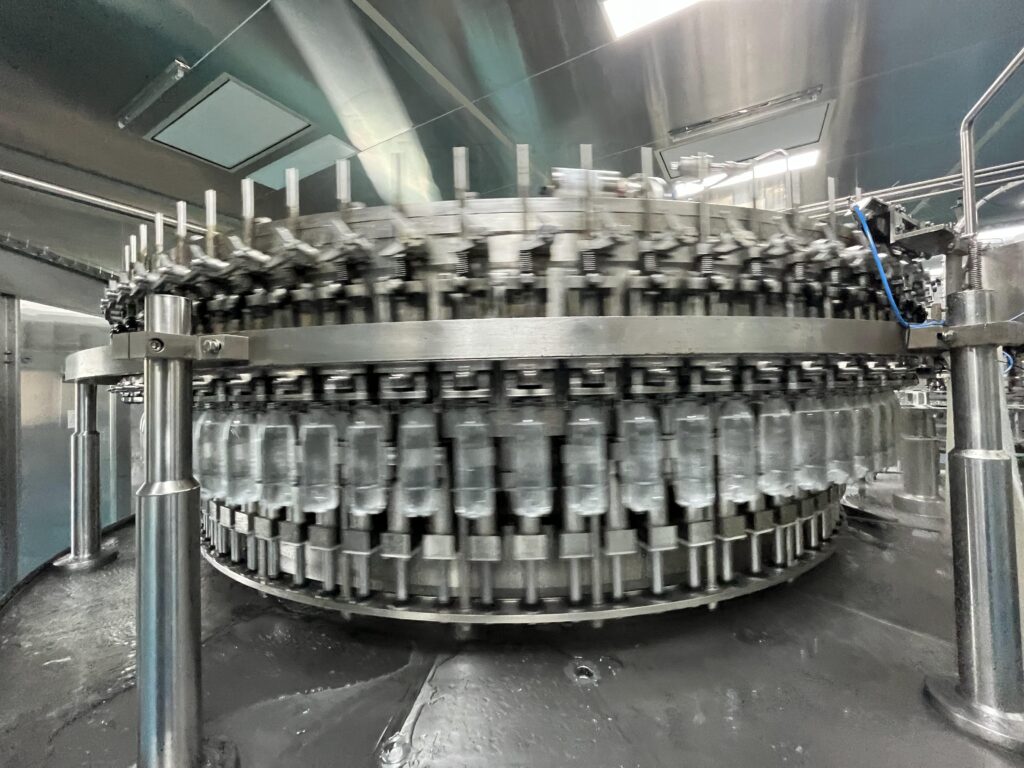
Blow molding filling sealing (BFS) is an efficient manufacturing process that integrates blow molding, filling, and sealing into a continuous operation. It is usually used for high-capacity production such as 12000BPH or above. In soft drinks, EQS's BFS technology can achieve 48000 BPH, which is popular among many foreign customers. BFS can create aseptic filling, skipping the need for manual filling and sealing.
Let's dive into how this works and why it's important.
What is BFS Technology?
What exactly makes BFS technology so special? It's all about speed and cleanliness.
BFS (Blow-Fill-Seal) technology is an automated manufacturing process where a container is blow-molded, aseptically filled with product, and then sealed in a continuous, sterile environment.
Let's break down the steps involved.
The Inner Workings of BFS
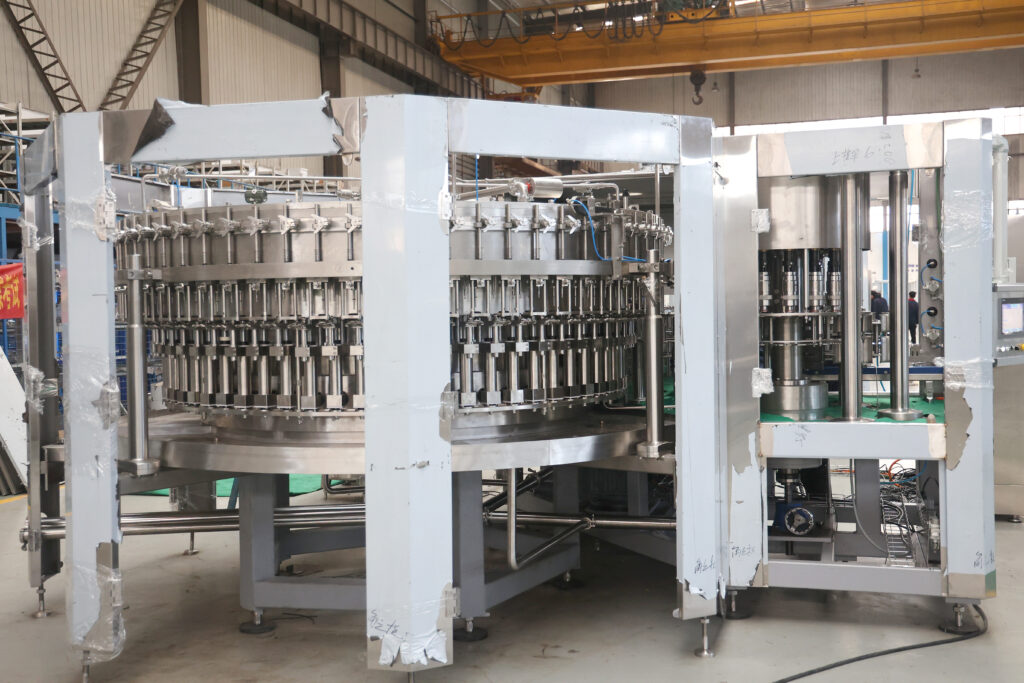
BFS technology is a marvel of modern engineering, integrating multiple processes into a single machine.
| Step | Description | Benefits |
|---|---|---|
| Blow Molding | A plastic parison (a hollow tube) is extruded and then inflated inside a mold to create the container shape. | Creates consistent and precise container shapes. |
| Filling | The container is immediately filled with the product while still inside the machine. | Minimizes the risk of contamination. |
| Sealing | The container is sealed hermetically, ensuring product sterility and integrity. | Prevents leaks and preserves product quality. |
EQS is always looking for innovative technologies to improve our filling machine solutions.
What Is the Process of Making Soft Drinks?
How do they transform simple ingredients into your favorite fizzy drinks? It's a multi-stage process.
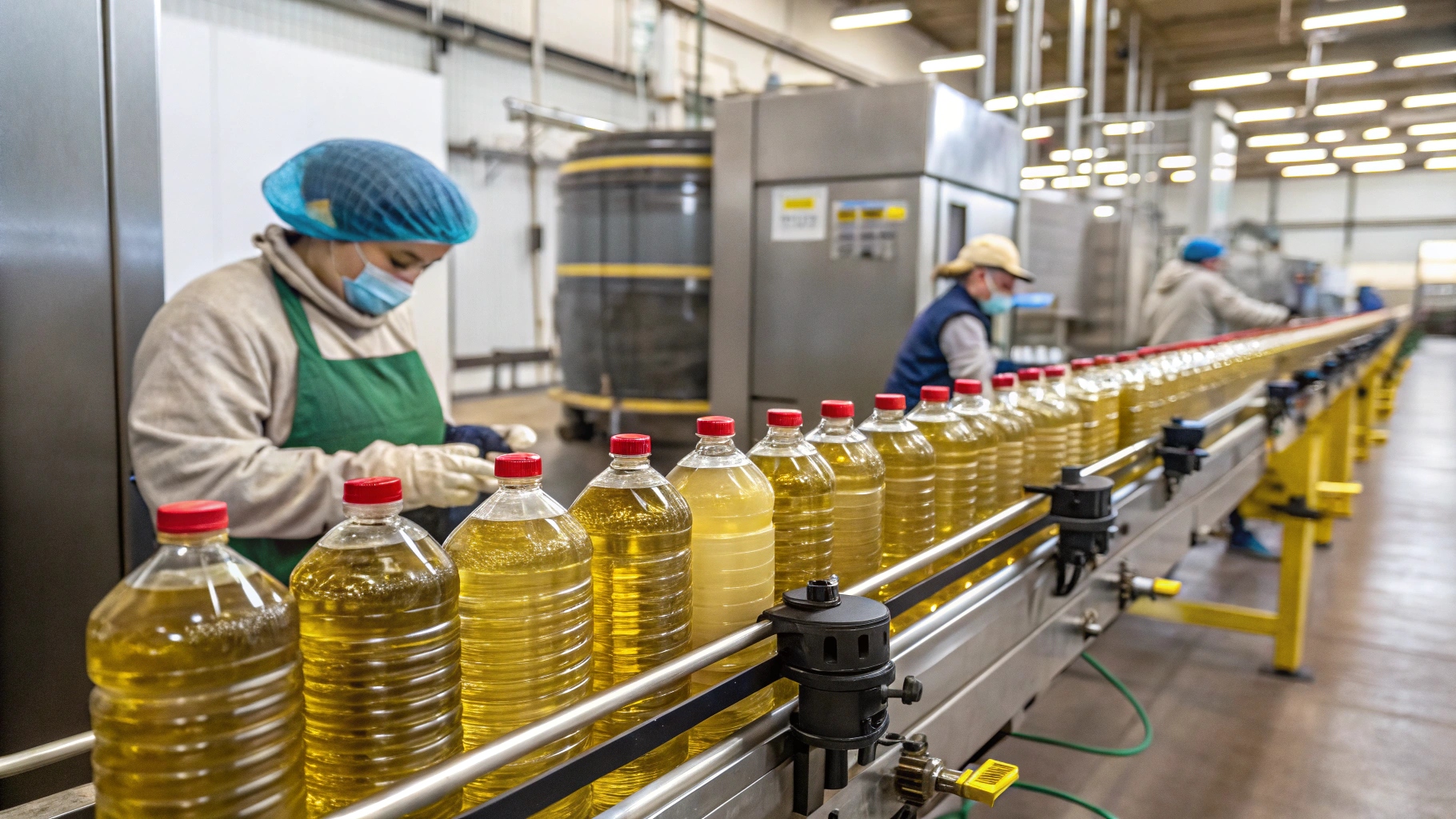
The process of making soft drinks typically involves water treatment, mixing ingredients, carbonation, filling, and packaging.
Let's explore each step in detail.
From Water to Fizz: The Soft Drink Journey
Creating a soft drink involves several key steps, each contributing to the final product.
| Step | Description | Key Considerations |
|---|---|---|
| Water Treatment | Water is purified to remove impurities and ensure consistent quality. | Filtration, disinfection, demineralization. |
| Mixing Ingredients | Water is combined with sweeteners (sugar, high fructose corn syrup), flavorings, and other additives. | Accurate measurement, proper mixing techniques, ingredient compatibility. |
| Carbonation | Carbon dioxide gas is dissolved in the mixture to create the characteristic fizz. | Pressure control, temperature control, gas purity. |
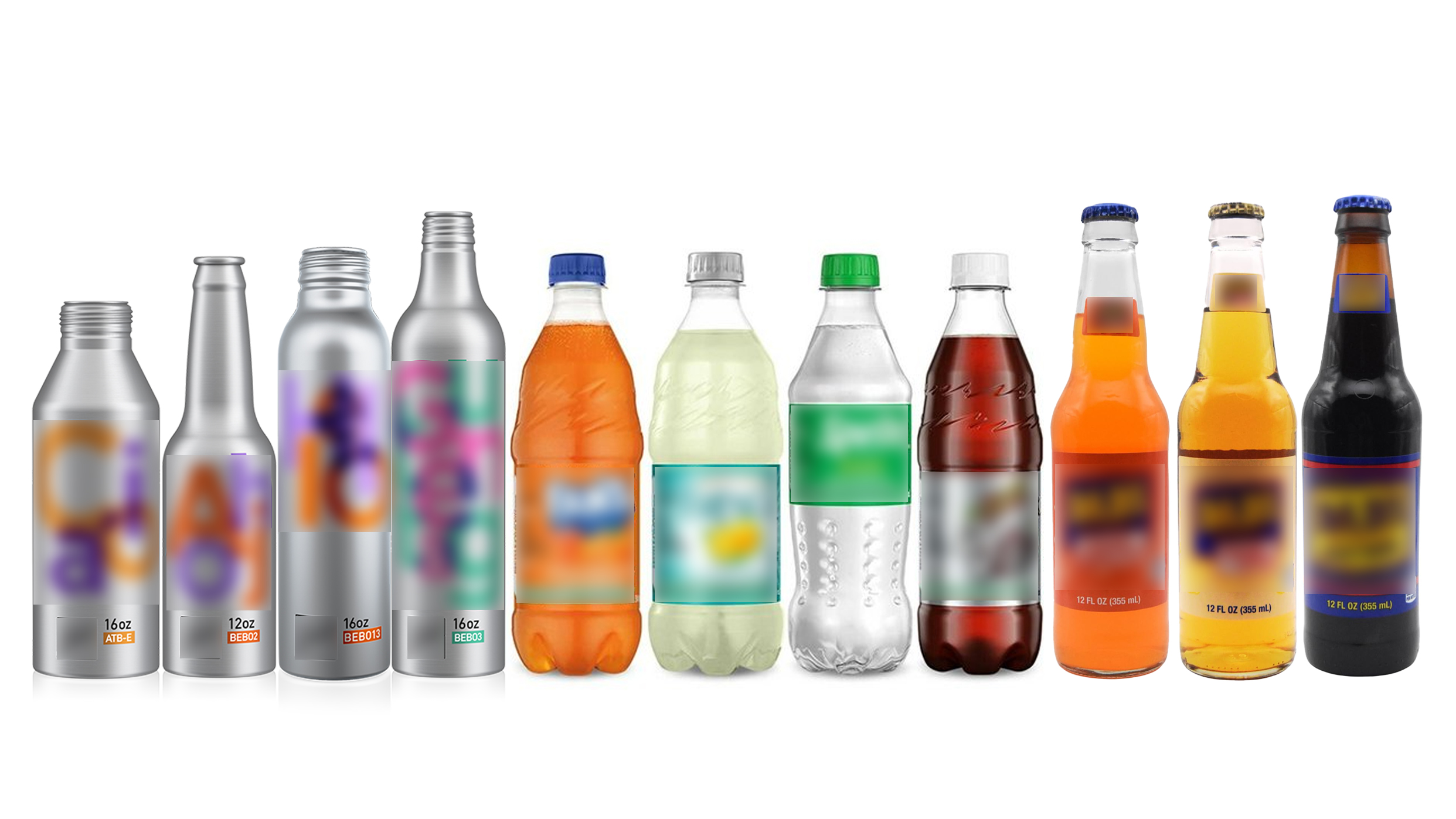
| Filling | The carbonated beverage is filled into bottles or cans. | Aseptic filling, accurate volume control, minimizing foaming. |
| Packaging | The filled containers are labeled, coded, and packaged for distribution. | Label application, date coding, shrink wrapping, case packing. |
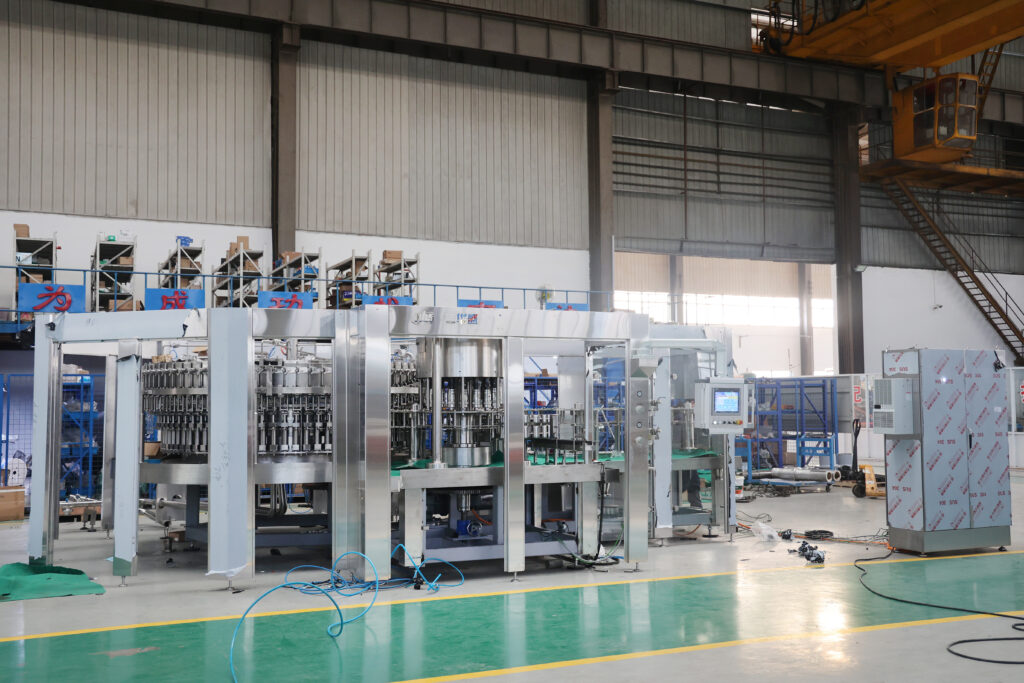
As a filling machine manufacturer, EQS plays a critical role in the filling and packaging stages. Our machines are designed to ensure accurate filling, minimize product waste, and maintain product quality. I've seen firsthand how efficient filling equipment can significantly improve a beverage company's bottom line.
What Is the Difference Between BFS and FFS Technology?
BFS and FFS – they sound similar, but they serve different purposes.
BFS (Blow-Fill-Seal) technology is primarily used for liquid products requiring a high degree of sterility, while FFS (Form-Fill-Seal) is used for a wider range of products, including solids, powders, and liquids, where sterility is not always the primary concern.
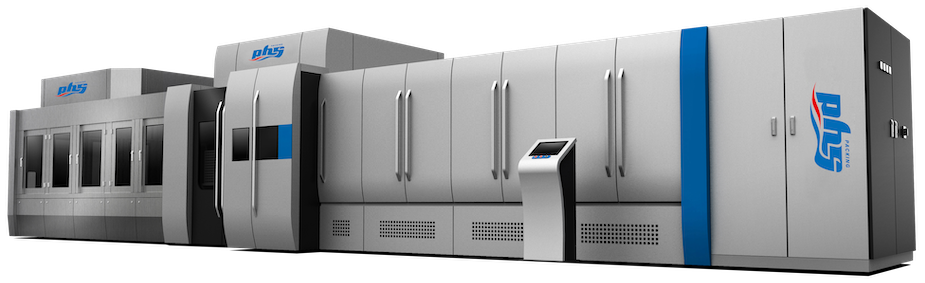
Let's compare these two technologies side-by-side.
BFS vs. FFS: A Technological Face-Off
Both BFS and FFS are automated packaging technologies, but they cater to different needs.
| Feature | BFS (Blow-Fill-Seal) | FFS (Form-Fill-Seal) |
|---|---|---|
| Primary Use | Sterile liquid products (pharmaceuticals, ophthalmic solutions). | Wide range of products (food, beverages, pharmaceuticals, cosmetics). |
| Sterility | High level of sterility due to closed, continuous process. | Sterility levels vary depending on the application. |
| Container Formation | Container is blow-molded from plastic. | Container is formed from a roll of film (plastic, paper, foil). |
| Product Types | Liquids only. | Liquids, solids, powders, granules. |
| Cost | Higher initial investment due to specialized equipment. | Lower initial investment, more versatile equipment. |
What Is the Difference Between Hard Drinks and Soft Drinks?
What sets "hard" drinks apart from "soft" drinks? It all comes down to alcohol content.
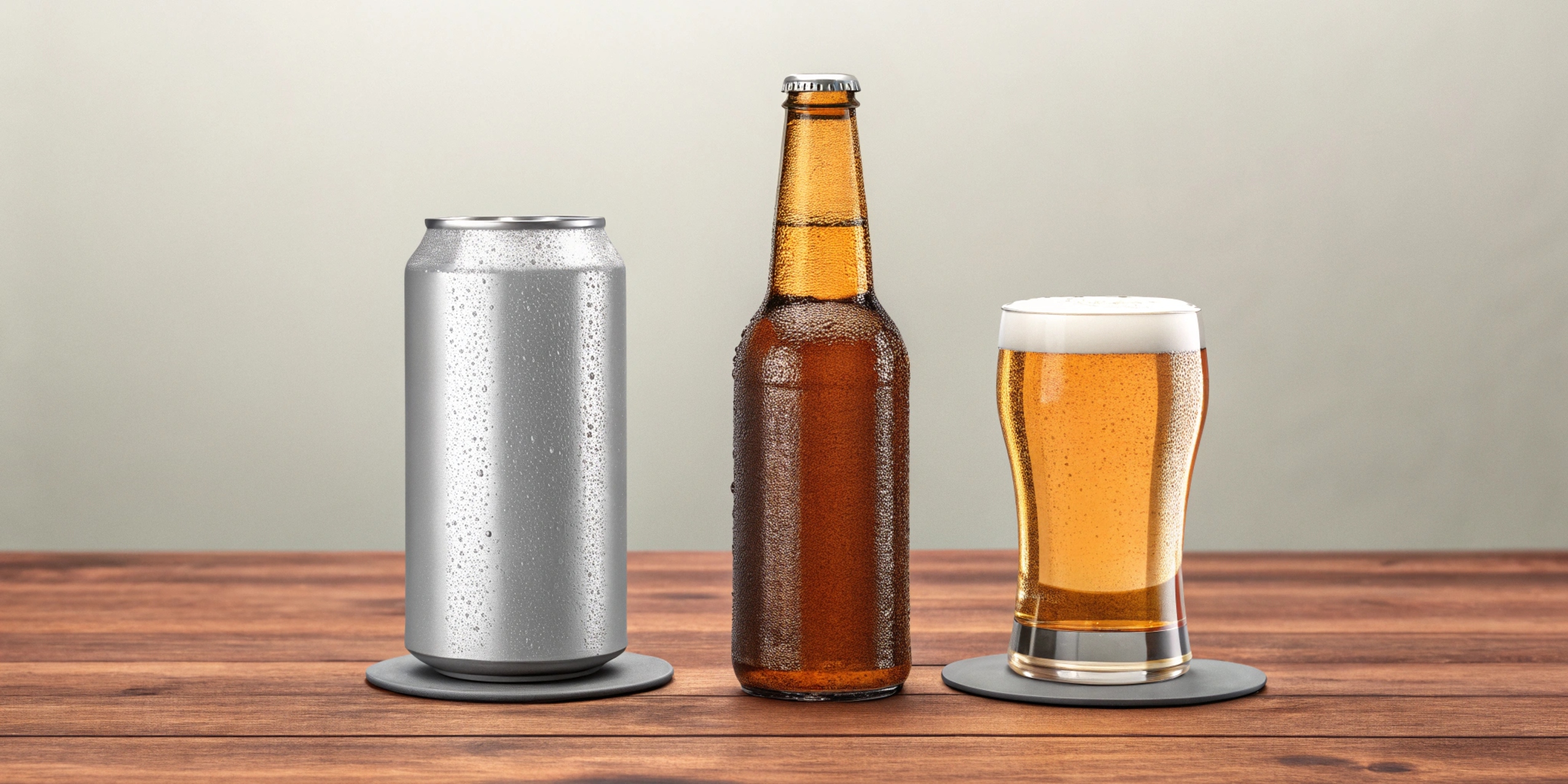
The primary difference between hard drinks and soft drinks is the presence of alcohol. Hard drinks contain alcohol (ethanol), while soft drinks do not.
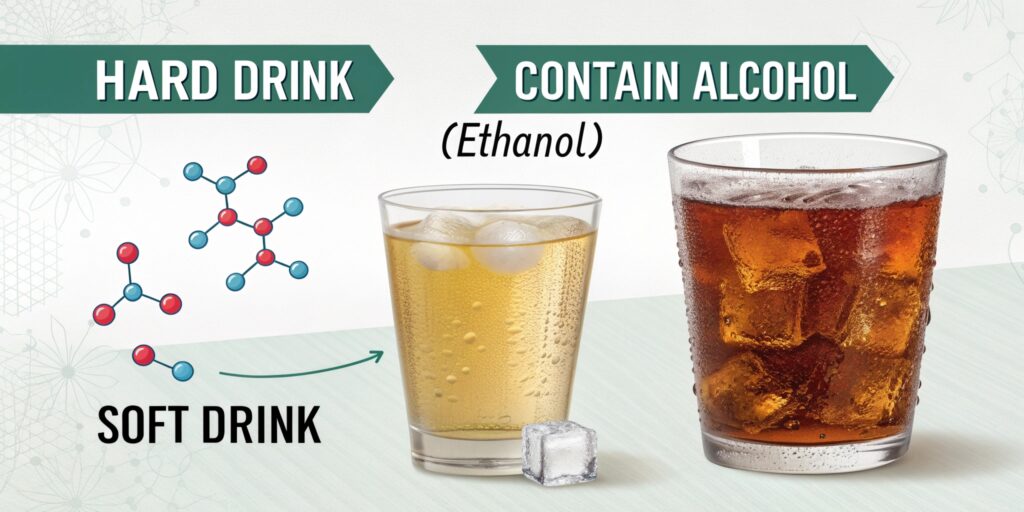
Let's clarify the distinction.
Alcohol: The Defining Difference
The presence or absence of alcohol is the key factor that distinguishes hard drinks from soft drinks.
| Feature | Hard Drinks | Soft Drinks |
|---|---|---|
| Alcohol Content | Contains alcohol (typically ethanol) in varying percentages. | Does not contain alcohol (less than 0.5% ABV). |
| Examples | Beer, wine, spirits (whiskey, vodka, gin, rum). | Soda, juice, iced tea, lemonade, energy drinks. |
| Regulations | Subject to strict regulations regarding production, distribution, and sale. | Generally subject to less stringent regulations than hard drinks. |
| Consumption | Often consumed for recreational or social purposes, with potential health risks associated with excessive consumption. | Consumed for hydration or enjoyment, with potential health risks associated with excessive sugar intake. |
As a company in the beverage industry, EQS works with both soft drink and alcoholic beverage manufacturers. We understand the unique requirements of each sector and provide tailored filling solutions to meet their specific needs.
Conclusion
BFS technology offers significant advantages for soft drink production, particularly in terms of efficiency. Understanding the differences between BFS and FFS, as well as the distinction between hard and soft drinks, is crucial for anyone involved in the beverage industry.
My name is Allen, and I'm an expert in filling machine technology at EQS (eqsfilling.com), a leading liquid packaging solution provider based in China. If you're looking for top-quality filling machines for your production line, feel free to reach out to me at [email protected]. We specialize in providing customizable solutions with cutting-edge technology.