What is a PET Bottle-Making Machine?
Ever wondered how those clear plastic bottles are made? It all starts with a special machine!
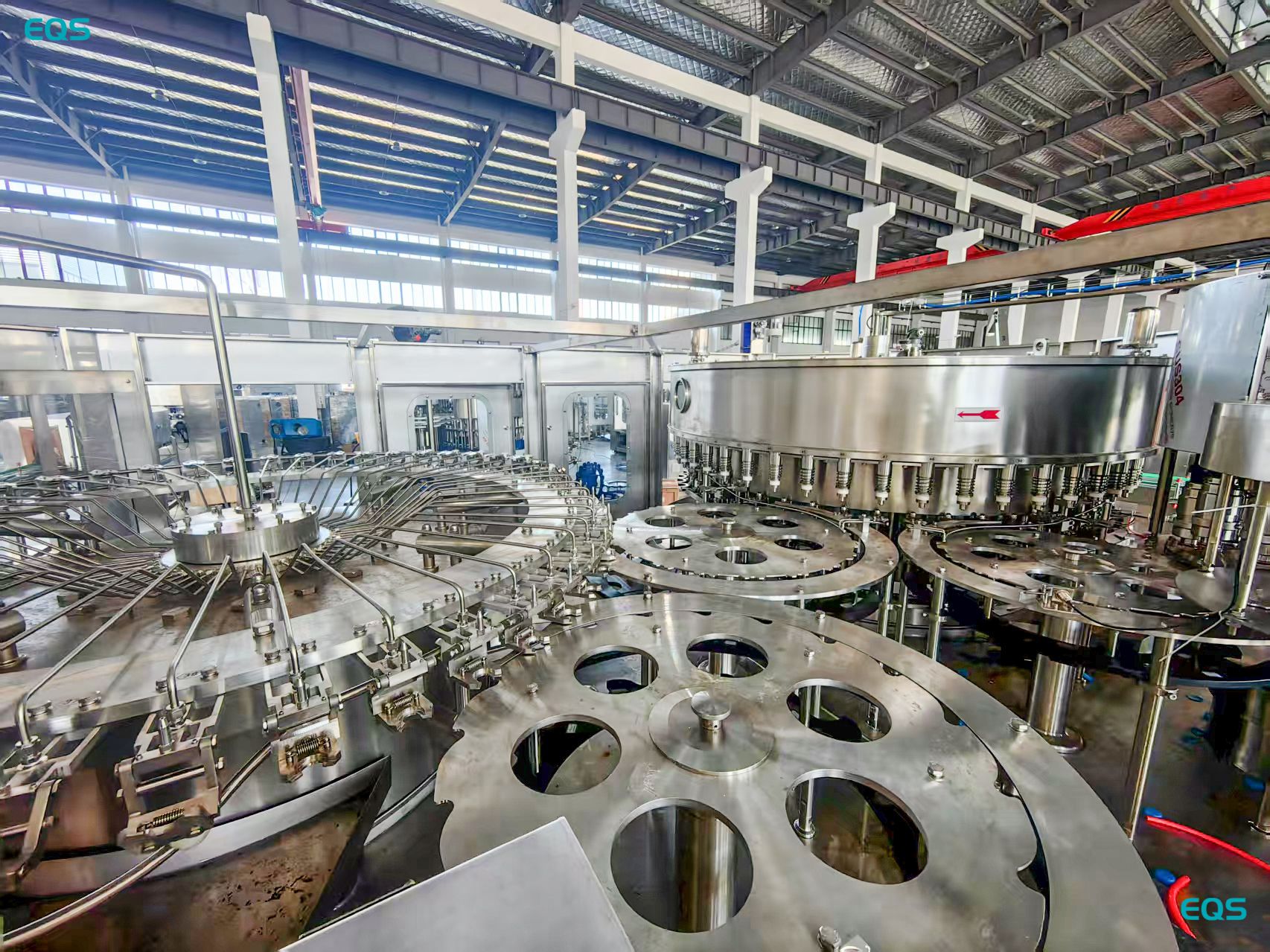
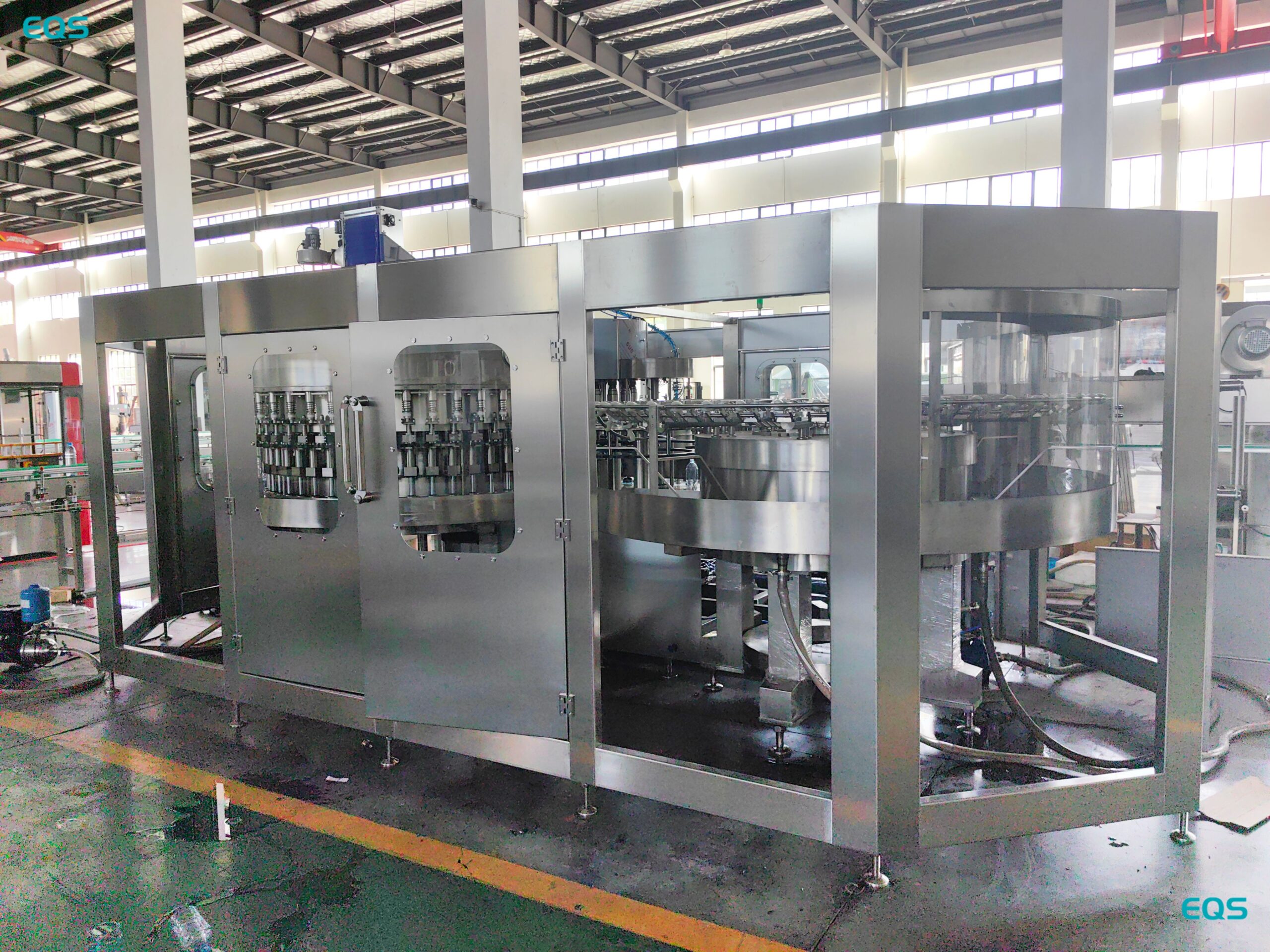
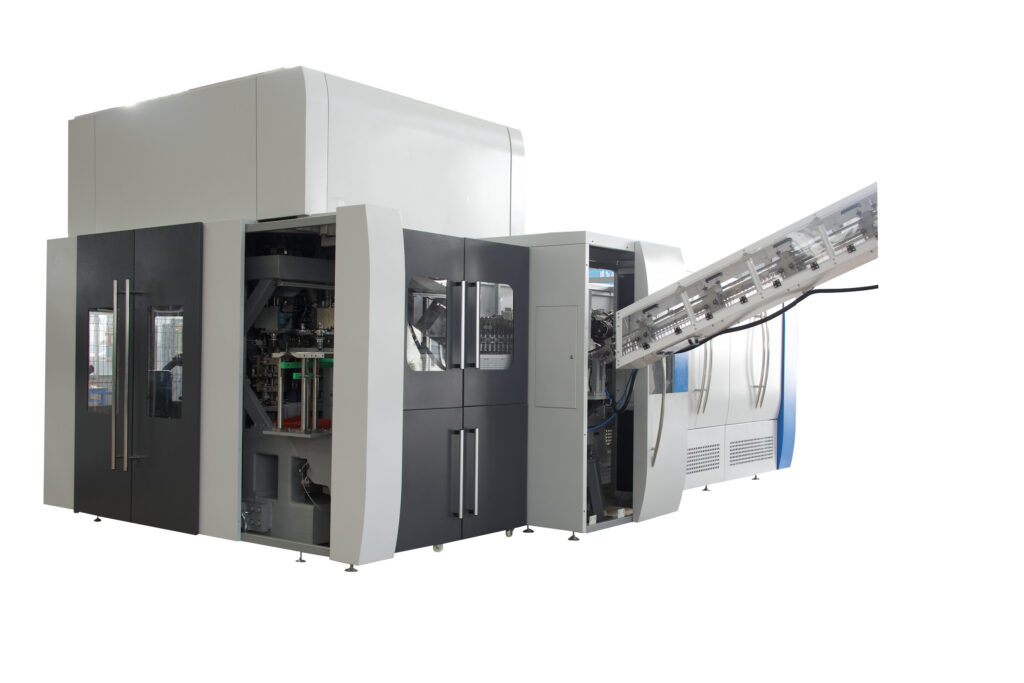
A PET bottle-making machine is a specialized piece of equipment that turns PET preforms (small, test-tube shaped pieces of plastic) into the bottles we use every day. It uses heat and air pressure to mold the preforms into their final shape.
Let's dive into the details of how these machines work and what they're used for.
What is the Purpose of PET Bottles?
Curious about why PET is so popular for bottles? Let's explore its advantages!
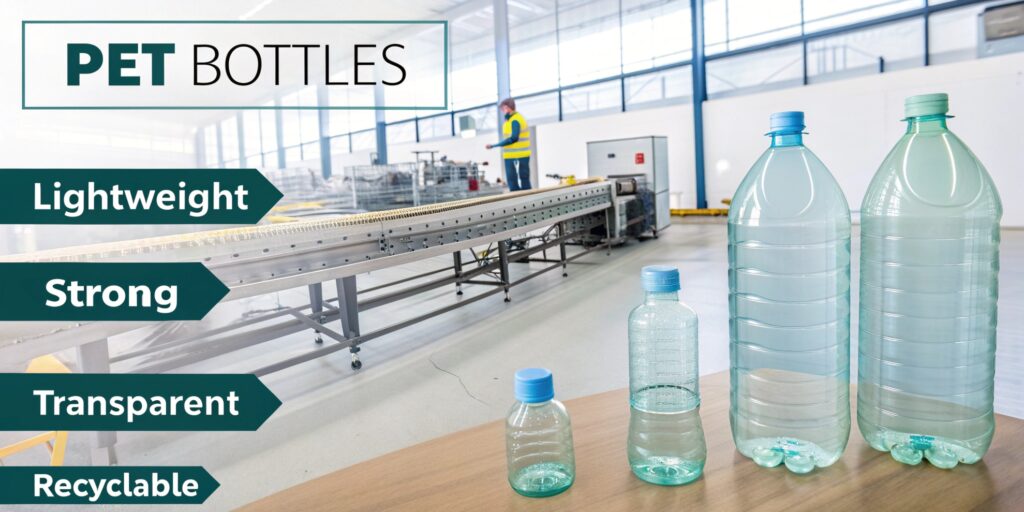
PET bottles are widely used because they are lightweight, strong, transparent, and recyclable. They are ideal for packaging beverages, food, and other products, offering a cost-effective and convenient solution for both manufacturers and consumers.
Dive Deeper
PET bottles serve many purposes due to their unique characteristics:
- Beverage Packaging: Ideal for water, soda, and juices due to their clarity and ability to maintain carbonation.
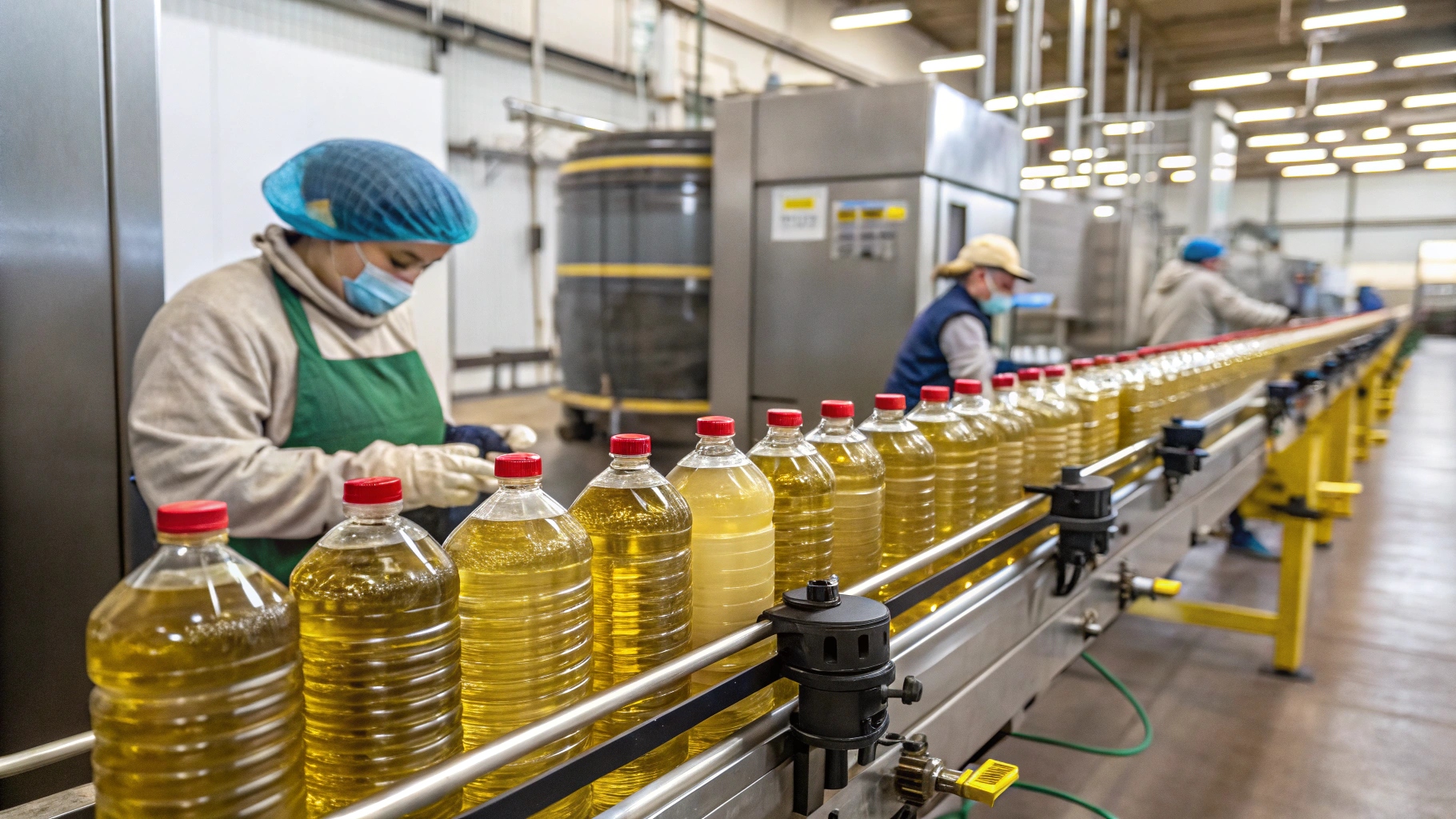
- Food Containers: Used for packaging edible oils, sauces, and other food products because they are safe and don't react with the contents.
- Household Products: Used for detergents, cleaners, and personal care products due to their durability and resistance to chemicals.
| Feature | Benefit | Application |
|---|---|---|
| Lightweight | Reduces transportation costs and is easy for consumers to handle. | Bottled water, soft drinks |
| Strong | Withstands pressure and prevents leakage. | Carbonated beverages, pressurized containers |
| Transparent | Allows consumers to see the product inside. | Juices, clear liquids, food products |
| Recyclable | Supports environmental sustainability. | All types of PET-packaged products |
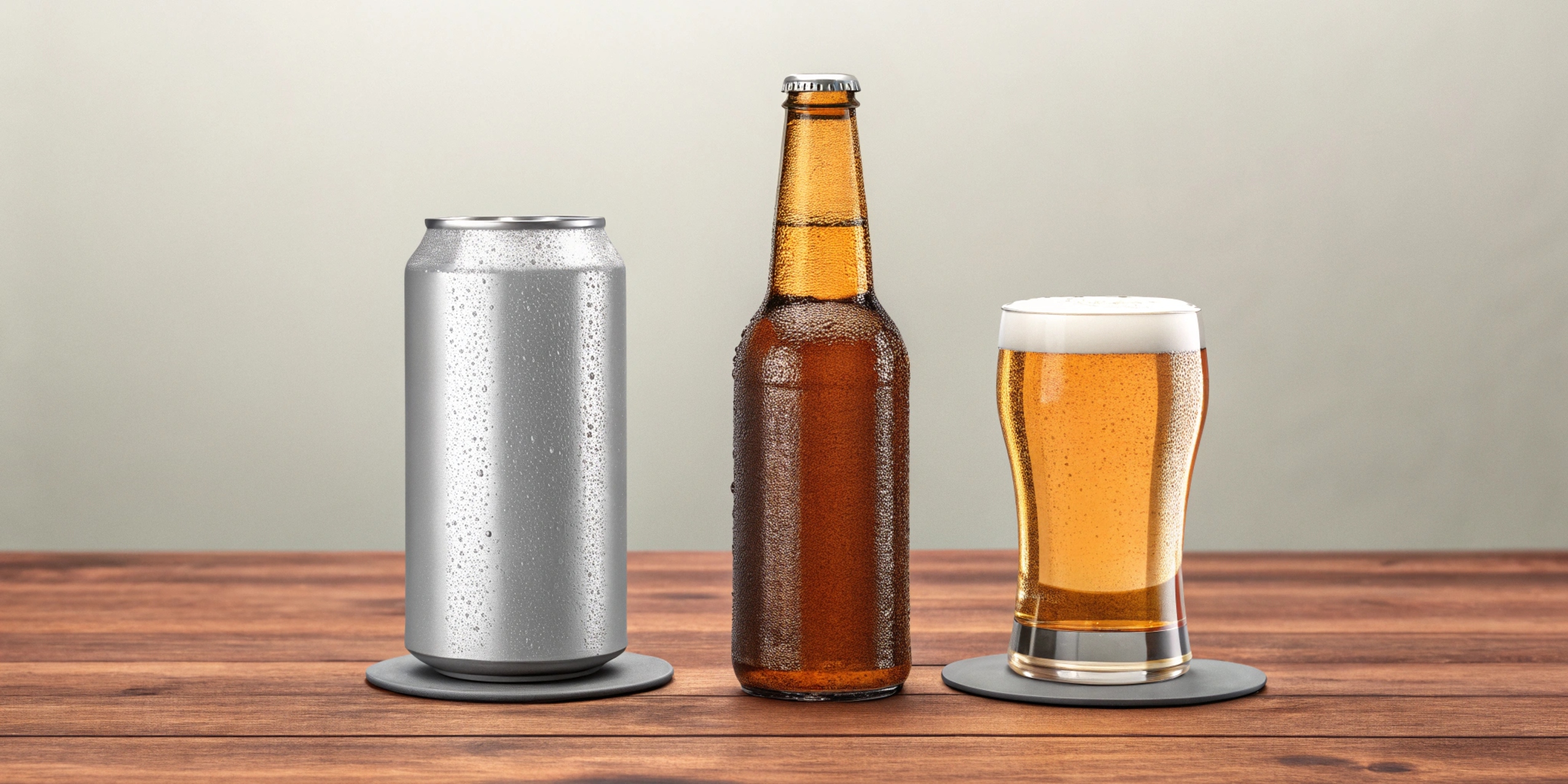
I once talked to a customer in Canada, Kitty, who runs a beverage company. She switched from glass bottles to PET bottles to reduce shipping costs and breakage. She told me that the switch not only saved her money but also made her products more appealing to consumers who preferred the lighter, more convenient packaging.
What Does PET Stand For in Bottling?
Ever wondered what the abbreviation "PET" really means? Let's decode it!
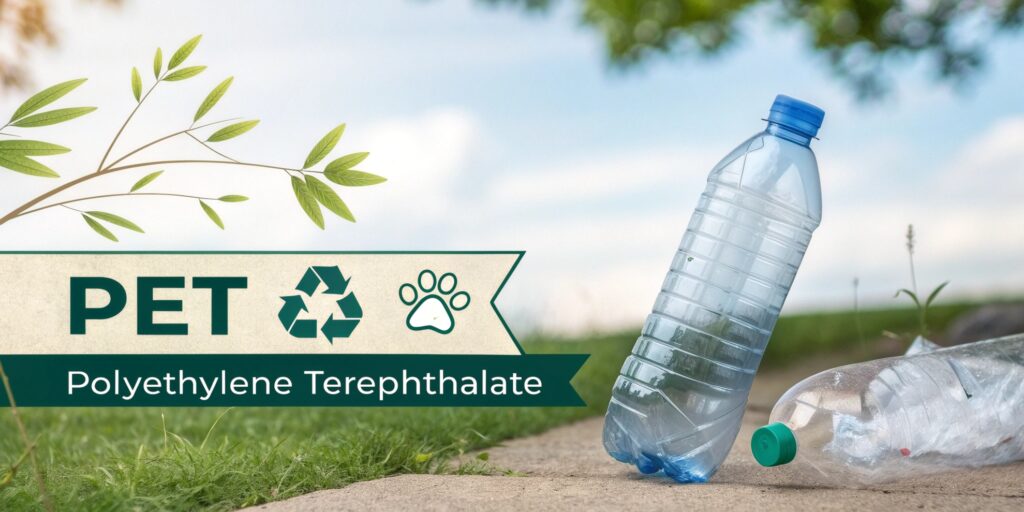
In the context of bottling, PET stands for Polyethylene Terephthalate. It is a type of plastic polymer that is commonly used to make bottles and containers due to its strength, clarity, and recyclability.
Dive Deeper
Understanding the chemical composition of PET helps explain its properties:
- Polymer: A large molecule made up of repeating subunits (monomers).
- Ethylene Terephthalate: The specific monomer that forms PET.
- Properties: The arrangement of these molecules gives PET its strength, flexibility, and recyclability.
| Term | Meaning | Significance |
|---|---|---|
| Polyethylene | A type of plastic made from ethylene monomers. | Provides flexibility and durability. |
| Terephthalate | A chemical compound used to create the polymer structure. | Contributes to the strength and heat resistance of PET. |
| Polymer | A large molecule made of repeating subunits. | The fundamental structure that gives PET its plastic properties. |
I learned about PET in college, and it's really amazing how scientists can create these materials with specific properties. I once attended a trade show in Shanghai where they were showcasing the latest advancements in PET recycling technology. It's great to see the industry moving towards more sustainable practices.
What is PET Used to Make Water Bottles?
Curious why PET is the go-to material for water bottles? Let's find out!
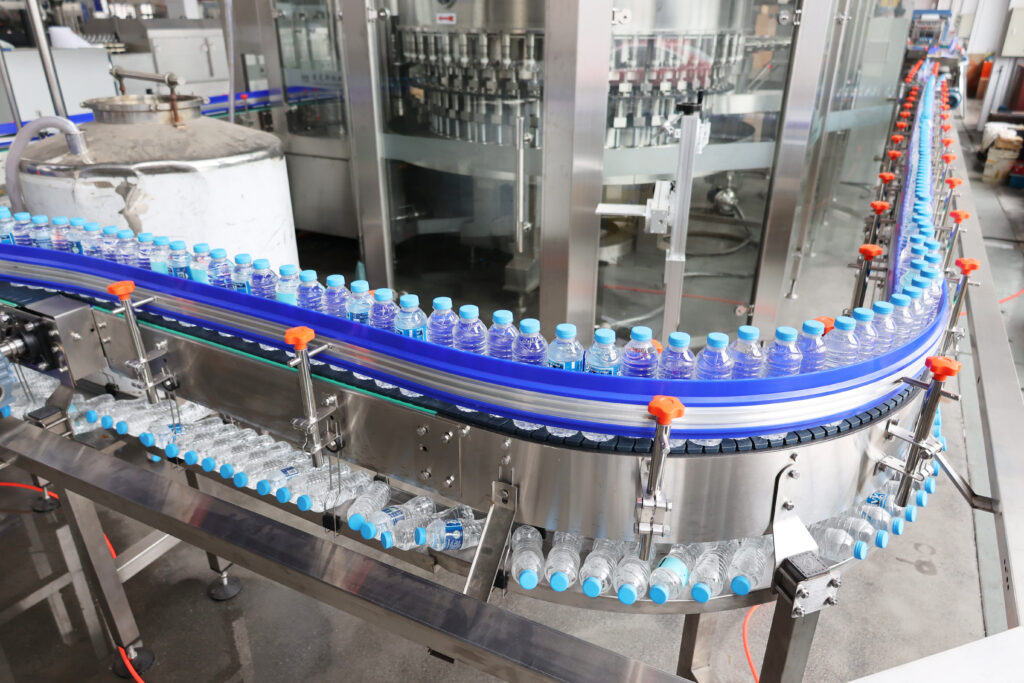
PET is used to make water bottles because it is lightweight, strong, transparent, and safe for food and beverage contact. It is also recyclable, making it an environmentally responsible choice for packaging water.
Dive Deeper
Here's a closer look at why PET is ideal for water bottles:
- Safety: PET does not contain harmful chemicals like BPA.
- Durability: PET bottles can withstand the pressure of carbonated water.
- Clarity: PET allows consumers to see the water inside, assuring them of its purity.
| Attribute | Reason | Benefit |
|---|---|---|
| Food-Grade | PET is approved for contact with food and beverages. | Ensures no harmful chemicals leach into the water. |
| Strength | PET bottles can handle the rigors of transportation and handling. | Reduces breakage and leakage. |
| Transparency | Consumers can easily see the water inside. | Conveys a sense of cleanliness and purity. |
| Recyclability | PET can be recycled into new bottles and other products. | Supports environmental sustainability. |
I often see people recycling their PET water bottles, which is great! I visited a recycling plant once and saw how they turn old PET bottles into new materials. It's a really efficient and important process. I think more and more company choose the PET bottle filling machine , it means more market share.
What is PET Bottle Production?
Intrigued by the process of making PET bottles? Let's explore the steps involved!
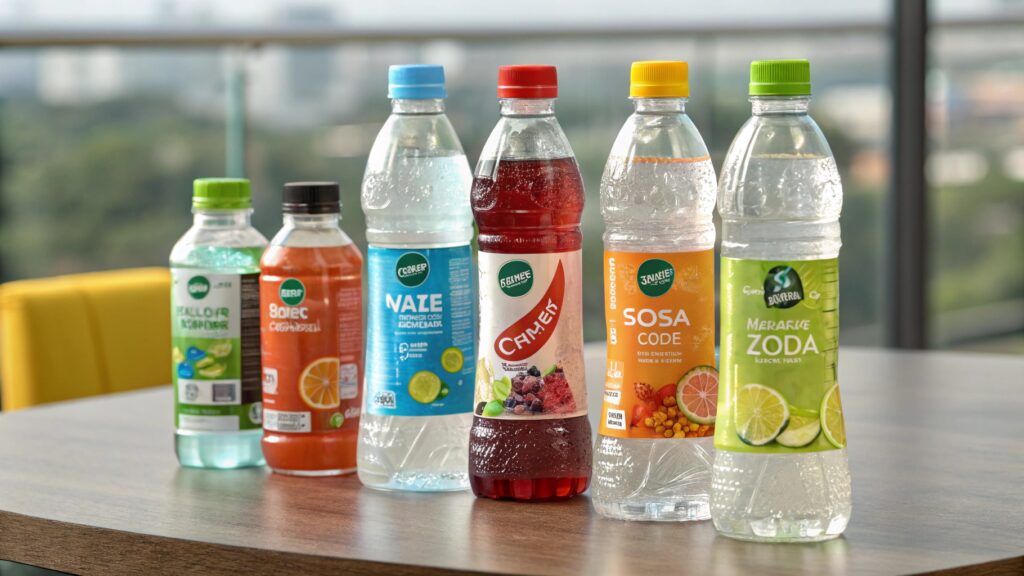
PET bottle production involves several key stages: first, PET resin is melted and molded into preforms. Then, these preforms are heated and stretched inside a mold using compressed air to create the final bottle shape. Finally, the bottles are cooled, inspected, and prepared for filling.
Dive Deeper
Here's a more detailed breakdown of the PET bottle production process:
- Resin Melting: PET resin is heated until it becomes molten.
- Preform Molding: The molten PET is injected into molds to create preforms.
- Heating: Preforms are reheated to a specific temperature.
- Stretching and Blowing: Preforms are stretched and inflated inside bottle molds using compressed air.
- Cooling: The newly formed bottles are cooled to maintain their shape.
- Ejection and Inspection: Bottles are ejected from the molds and inspected for defects.
| Stage | Description | Key Equipment |
|---|---|---|
| Resin Melting | PET resin is heated to a molten state. | Extruder, melting unit |
| Preform Molding | Molten PET is injected into preform molds. | Injection molding machine |
| Heating | Preforms are reheated to the optimal temperature for stretching. | Reheat oven |
| Stretching/Blowing | Preforms are stretched and inflated into the final bottle shape. | Blow molding machine |
| Cooling | Bottles are cooled to maintain their shape and rigidity. | Cooling system, chiller |
| Inspection | Bottles are inspected for defects such as cracks or imperfections. | Quality control equipment, visual inspection |
Conclusion
PET bottle-making machines are essential for producing the bottles we use every day. From their unique properties to their efficient production process, PET bottles offer a versatile and sustainable packaging solution.