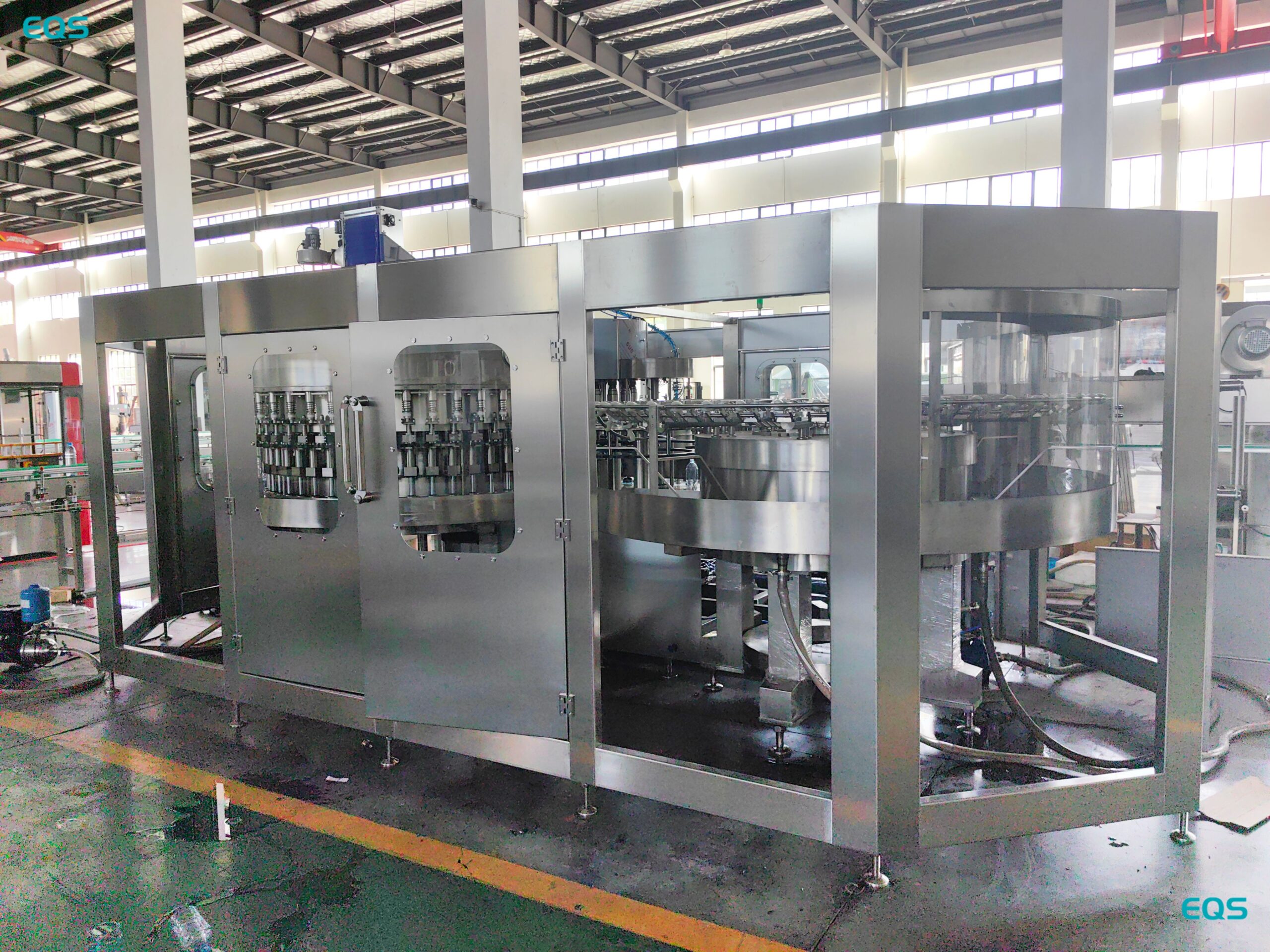
How Do They Put Soda into Cans If the Cans Are Sealed?
Ever grab a soda can from the fridge and wonder, "How did they get the soda in there?" It seems like a sealed mystery!
Soda is put into cans before the lid is sealed on. Empty cans are filled with pre-carbonated soda, and then the lid is immediately attached and sealed.
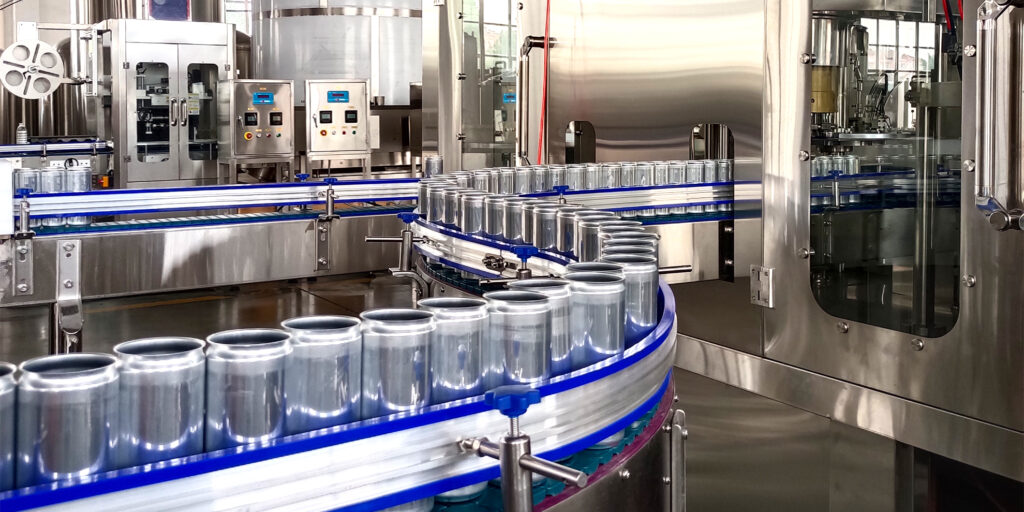
Want to know more about this process? Let's dive into the world of soda can filling!
How Do They Get Soda Into Cans?
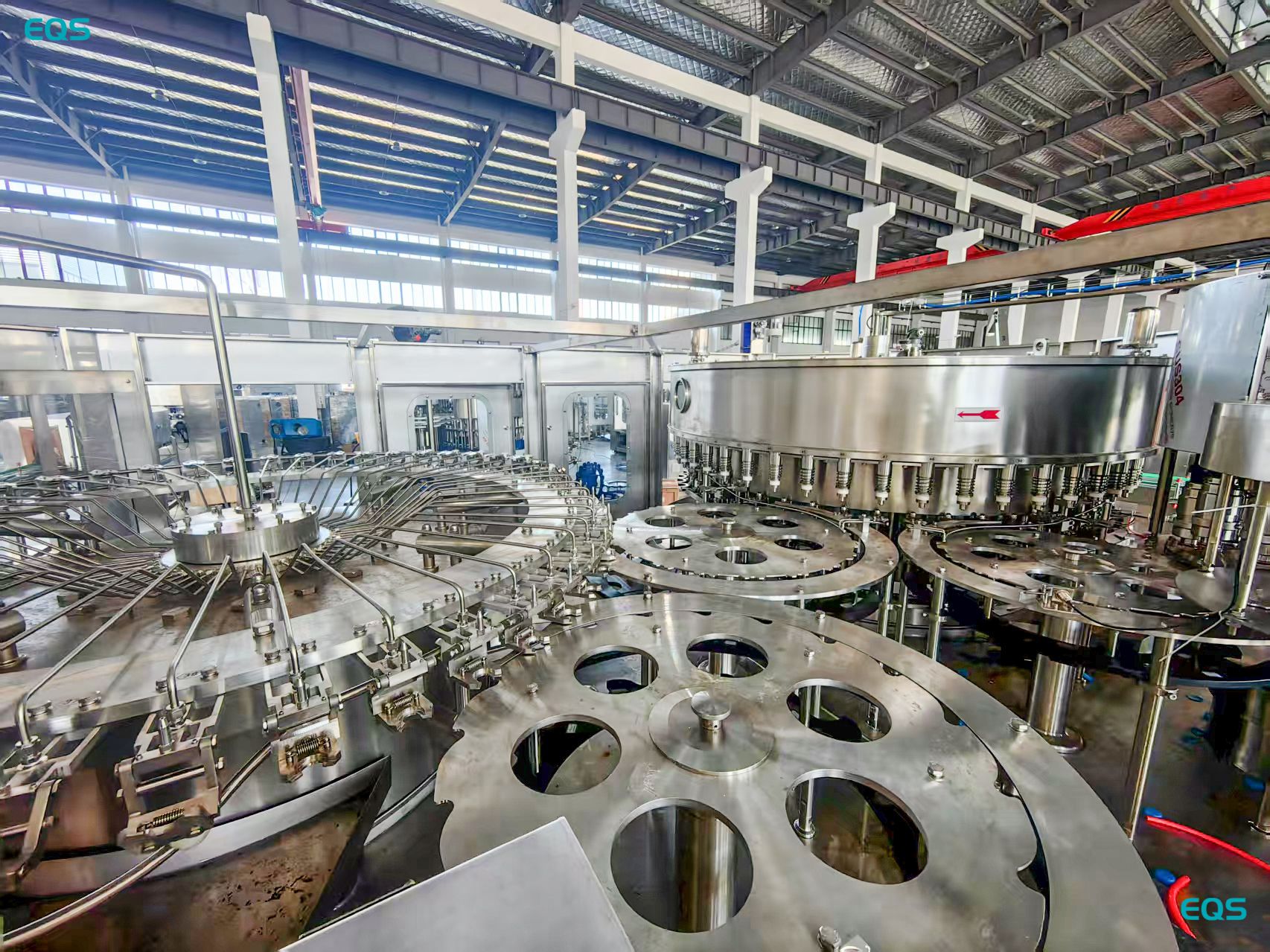
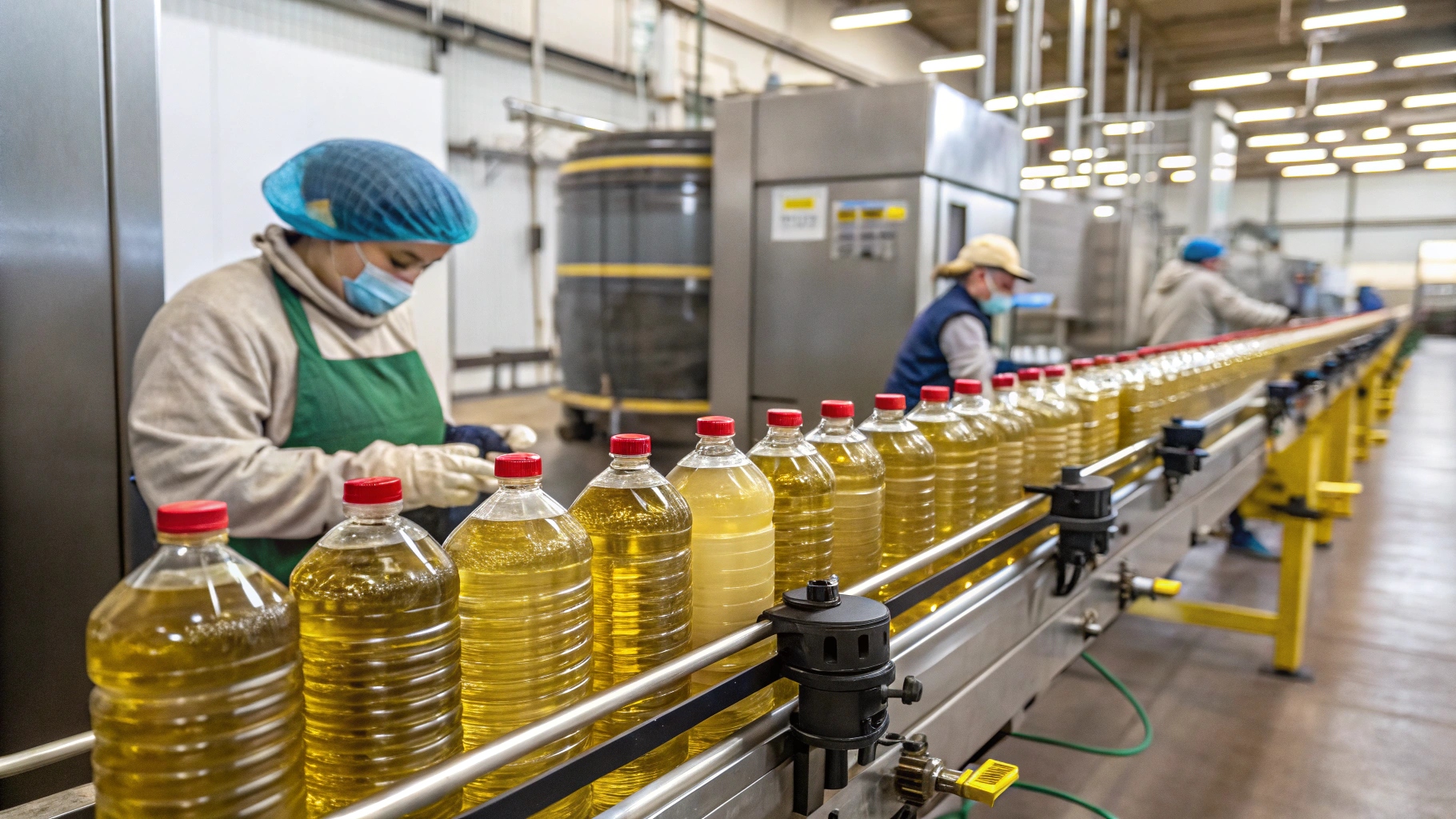
Imagine a factory floor humming with activity. Empty cans zip along a conveyor belt. But how does the soda actually get inside those cans?
Empty cans, usually without a top, are transported to a filling machine. This machine injects pre-carbonated soda water into the can.
Dive Deeper
The process of filling soda into cans is a marvel of modern engineering. Here's a breakdown:
| Step | Description |
|---|---|
| Can Manufacturing | Aluminum or steel sheets are shaped into cylindrical cans. Usually, these cans do not have a top lid attached. |
| Cleaning & Inspection | The empty cans are thoroughly cleaned and inspected for any defects before filling. This ensures that no contaminants enter the final product. |
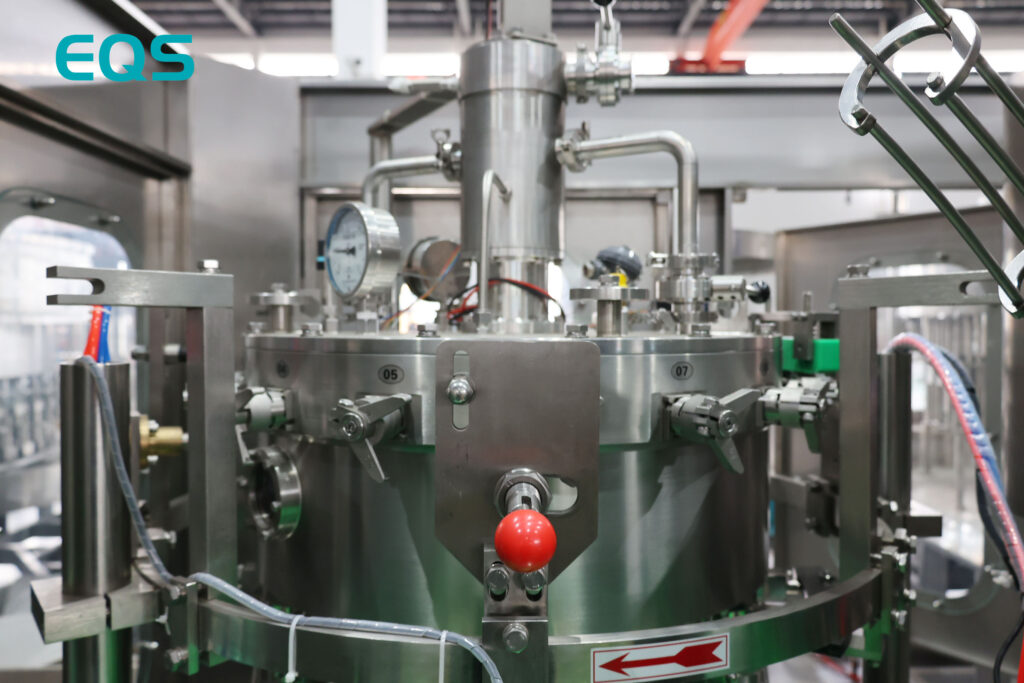
| Filling | The cans are fed into a filling machine. This machine uses precise nozzles to inject a pre-determined amount of pre-carbonated soda into each can. |
| Lid Placement | Immediately after filling, a lid is placed on top of the can. This lid is usually made of aluminum and has a pre-scored opening tab. |
I remember touring a beverage factory once and being amazed by the speed and precision of the filling process. It's a finely tuned operation designed to maximize efficiency and minimize waste.
How Do They Put Lids on Cans?
So, the soda's in the can, but how do they attach the lid so quickly and securely?
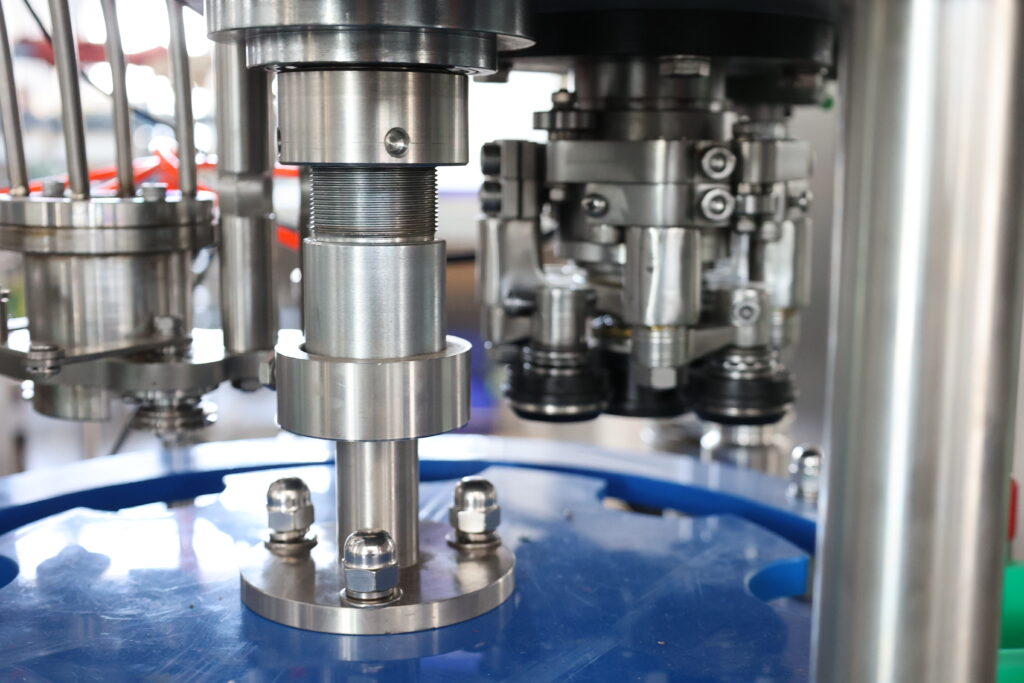
After filling, the top cover is immediately placed on the cans. Then a seaming machine crimps the lid onto the can body, creating an airtight seal.
Dive Deeper
The process of attaching lids to cans is critical to ensure product quality and prevent leakage. Here's a more detailed look:
| Step | Description |
|---|---|
| Lid Placement | Lids are automatically dispensed and placed on top of the filled cans. The lids are precisely positioned to ensure a proper seal. |
| Seaming | The can then moves into a seaming machine. This machine uses a series of rollers to crimp the lid tightly onto the can body. The rollers bend the edges of the lid and can body together, creating an interlocking seam. |
| Sealing Compound | A sealing compound is often applied to the lid or can body to ensure a hermetic seal. This compound fills any microscopic gaps and prevents gas or liquid from escaping. |
| Inspection | After seaming, the cans are inspected to ensure the lid is properly attached and there are no leaks. This can be done visually or using automated leak detection equipment. |
I've learned that the seaming process is so precise that it can withstand significant pressure. This is why soda cans can handle the pressure from carbonation without leaking or bursting.
How Do They Put Carbonated Drinks in Cans?
Carbonation adds that fizzy, refreshing kick to soda. But how do they get the carbon dioxide into the drink and then seal it in the can?
Carbonated drinks are put into cans using pre-carbonated soda water. The soda water is carbonated before it enters the can, and the can is sealed immediately after filling to maintain the carbonation.

Dive Deeper
Here's a more detailed explanation of the carbonation process:
| Step | Description |
|---|---|
| Water Treatment | The water used for soda production is purified and treated to remove any impurities. This ensures that the final product has a clean, consistent taste. |
| Carbonation | Carbon dioxide gas is dissolved into the water under pressure. This process is typically done in a carbonator, which uses a combination of cooling and pressure to maximize the amount of CO2 that dissolves in the water. |
| Mixing | The carbonated water is then mixed with other ingredients, such as syrups, flavorings, and preservatives. The mixing process is carefully controlled to ensure the correct proportions of each ingredient. |
| Filling | The pre-carbonated soda is then injected into the cans as described earlier. Because the soda is already carbonated, the can must be sealed quickly to prevent the CO2 from escaping. |
I remember reading that the temperature of the water plays a crucial role in carbonation. Colder water can hold more carbon dioxide, which is why soda water is usually filled at low temperatures
How Do They Fill Up Pop Cans?
"Pop" is another name for soda, especially in some regions. So, how do they fill up those pop cans we love?
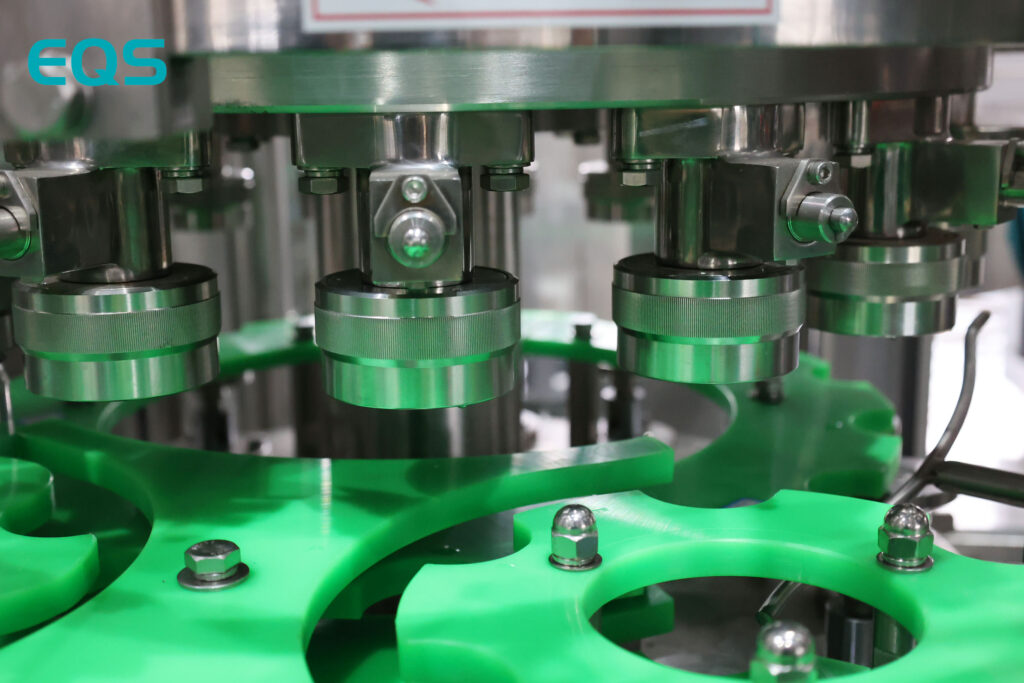
Pop cans are filled using automated machinery that injects pre-carbonated soda into the can before immediately sealing it with a lid. This process ensures that the soda retains its carbonation and freshness.
Dive Deeper
The process of filling pop cans is very similar to filling soda cans, but let's recap the key steps:
| Step | Description |
|---|---|
| Can Preparation | Empty cans are manufactured, cleaned, and inspected for any defects. |
| Filling | A filling machine injects a precise amount of pre-carbonated pop into each can. The filling process is designed to minimize foaming and ensure accurate fill levels. |
| Sealing | Immediately after filling, a lid is placed on top of the can and seamed onto the can body. The seaming process creates an airtight seal to prevent leakage and maintain carbonation. |
| Quality Control | Filled cans are inspected to ensure proper fill levels, sealing, and carbonation. Any defective cans are removed from the production line. |
I once saw a documentary about the history of soda, and it was fascinating to learn how the filling process has evolved over the years. Early methods were much slower and less precise, but modern technology has made it possible to fill thousands of cans per minute.
Conclusion
So, the mystery of the sealed soda can is solved! It's a high-speed, automated process that relies on pre-carbonated soda, precise filling, and airtight sealing. Next time you crack open a can of your favorite pop, take a moment to appreciate the engineering marvel behind it.