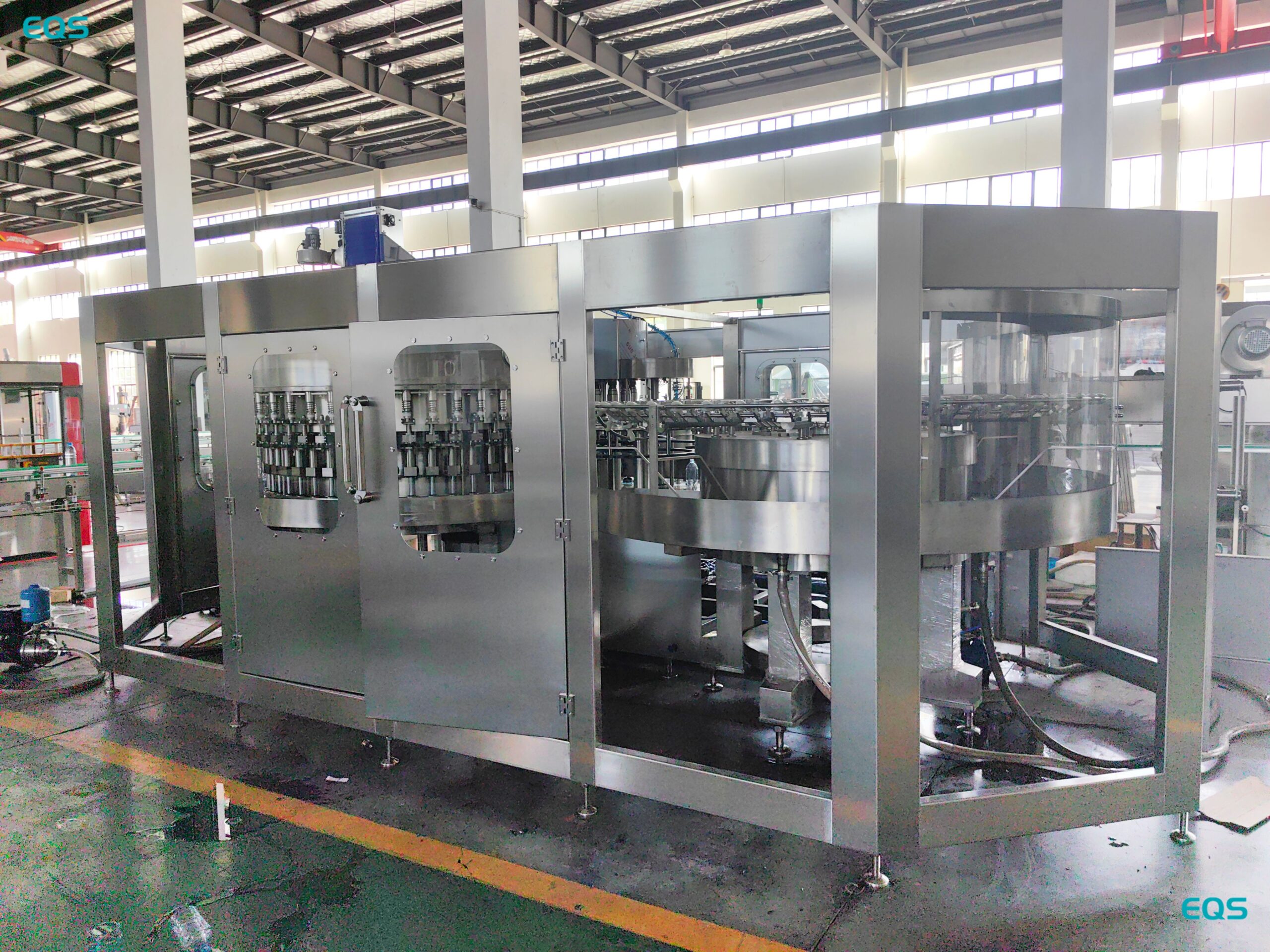
How Are Soda Cans Sealed? The Complete Process Explained
Ever wondered how that refreshing soda stays perfectly sealed inside its can? The sealing process is more complex than you might think.
Soda cans are sealed through a precise mechanical process where the lid is placed on top of the filled can, then the edges are rolled and crimped under pressure to create an airtight seal that locks in freshness and carbonation.
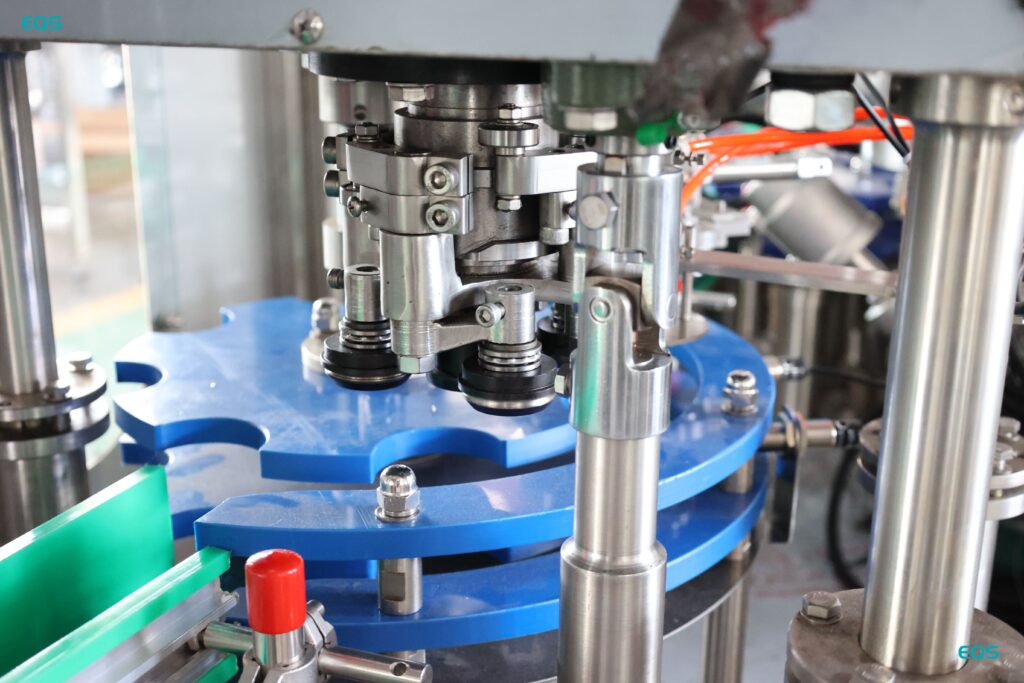
The sealing technology behind every soda can represents years of engineering refinement. Let's break down exactly how this everyday miracle happens.
How Does a Soda Can Get Sealed?
That satisfying pop when you open a can? It all starts with an incredible sealing process you've probably never noticed.
A can seamer uses rotating wheels to fold the can's flange and lid together in a double-seam process that creates two tight interlocking layers of metal - the secret to preventing leaks and preserving carbonation.
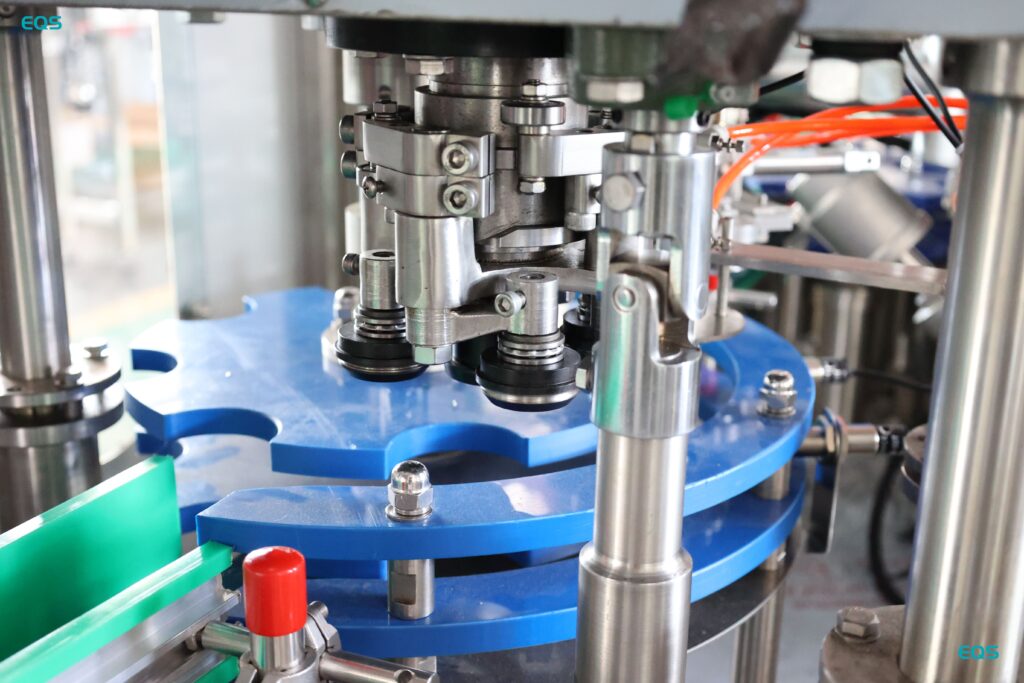
The Step-by-Step Sealing Process
- Lid Placement: The aluminum end (lid) gets placed on top of the filled can
- First Operation: The seamer's first roller curves the lid's edge around the can's flange
- Second Operation: A second roller compresses the layers together to complete the seal
- Quality Check: Sensors verify the seam's width, thickness and tightness
| Seam Measurement | Ideal Specification | Purpose |
|---|---|---|
| Thickness | 0.006-0.008 inches | Prevents leaks |
| Width | 0.110-0.125 inches | Structural integrity |
| Overlap | Minimum 70% | Carbonation retention |
Modern canning lines can seal up to 2,000 cans per minute with astonishing consistency. The process happens so fast you'd need slow motion to see it.
How Do They Seal Drink Cans?
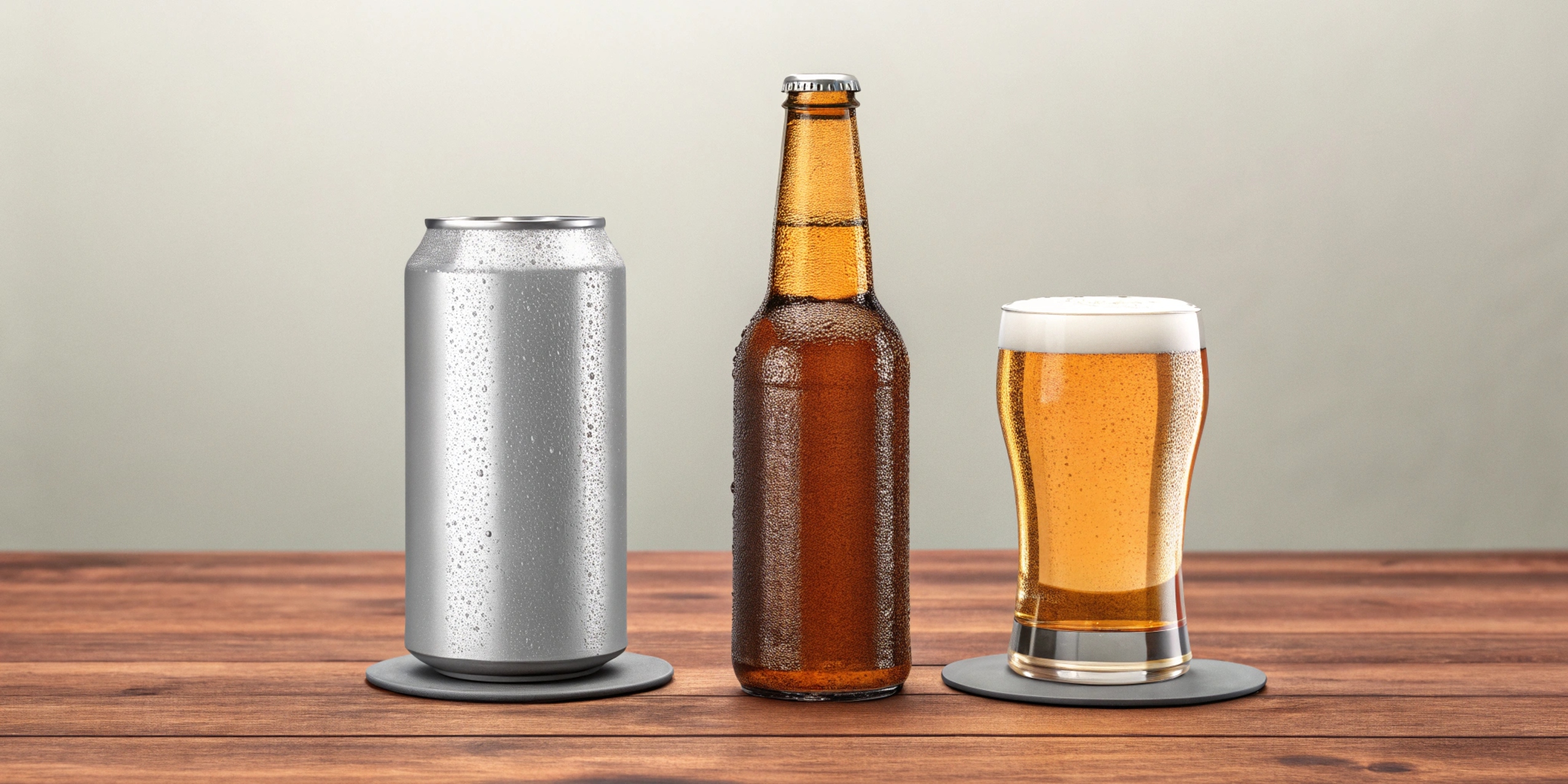
From beer to energy drinks, the same basic sealing principles apply across all canned beverages.
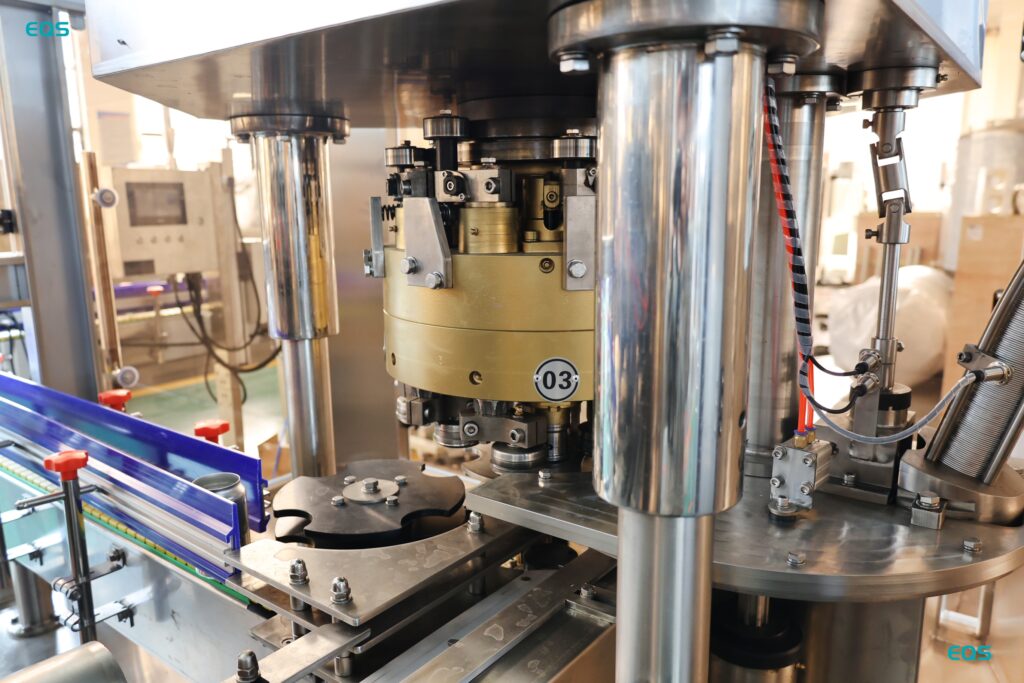
All drink cans use the same double-seam technology, where specialized machinery rolls and compresses the lid and can body together with precision measured in thousandths of an inch.
Why This Method Works Best
- Airtight: Prevents CO2 leakage for up to 2-3 years
- Tamper-proof: Impossible to reseal once opened
- Durable: Withstands temperature changes and transportation
- Cost-effective: Fast process with minimal material waste
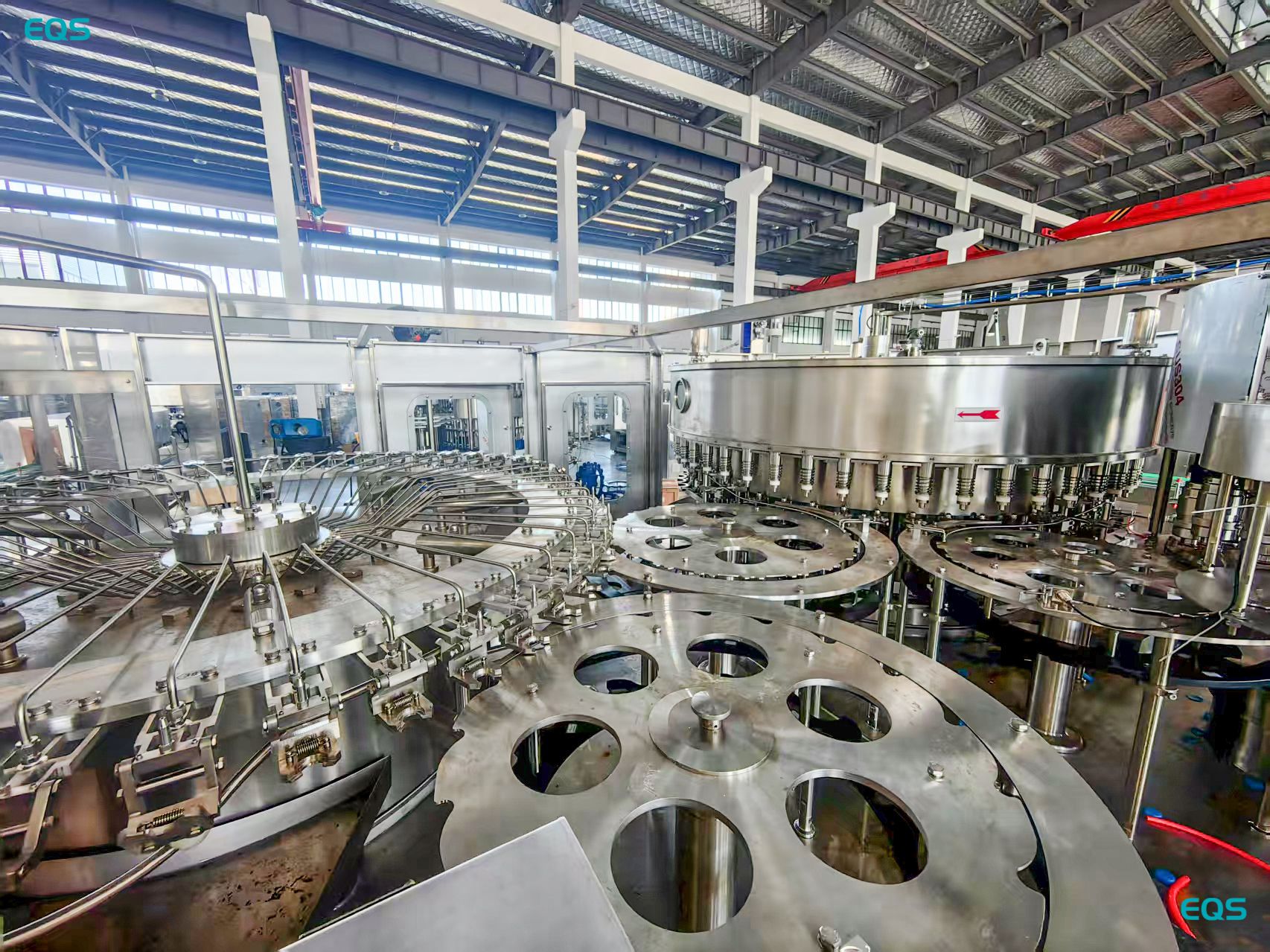
The equipment we manufacture at EQS guarantees seal integrity through:
- German-engineered seaming rollers
- Japanese precision bearings
- Real-time quality monitoring systems
- Automatic rejection of defective seals
Conclusion
From precise mechanical sealing to surprising aftermarket value, soda cans reveal hidden complexity beneath their simple appearance.