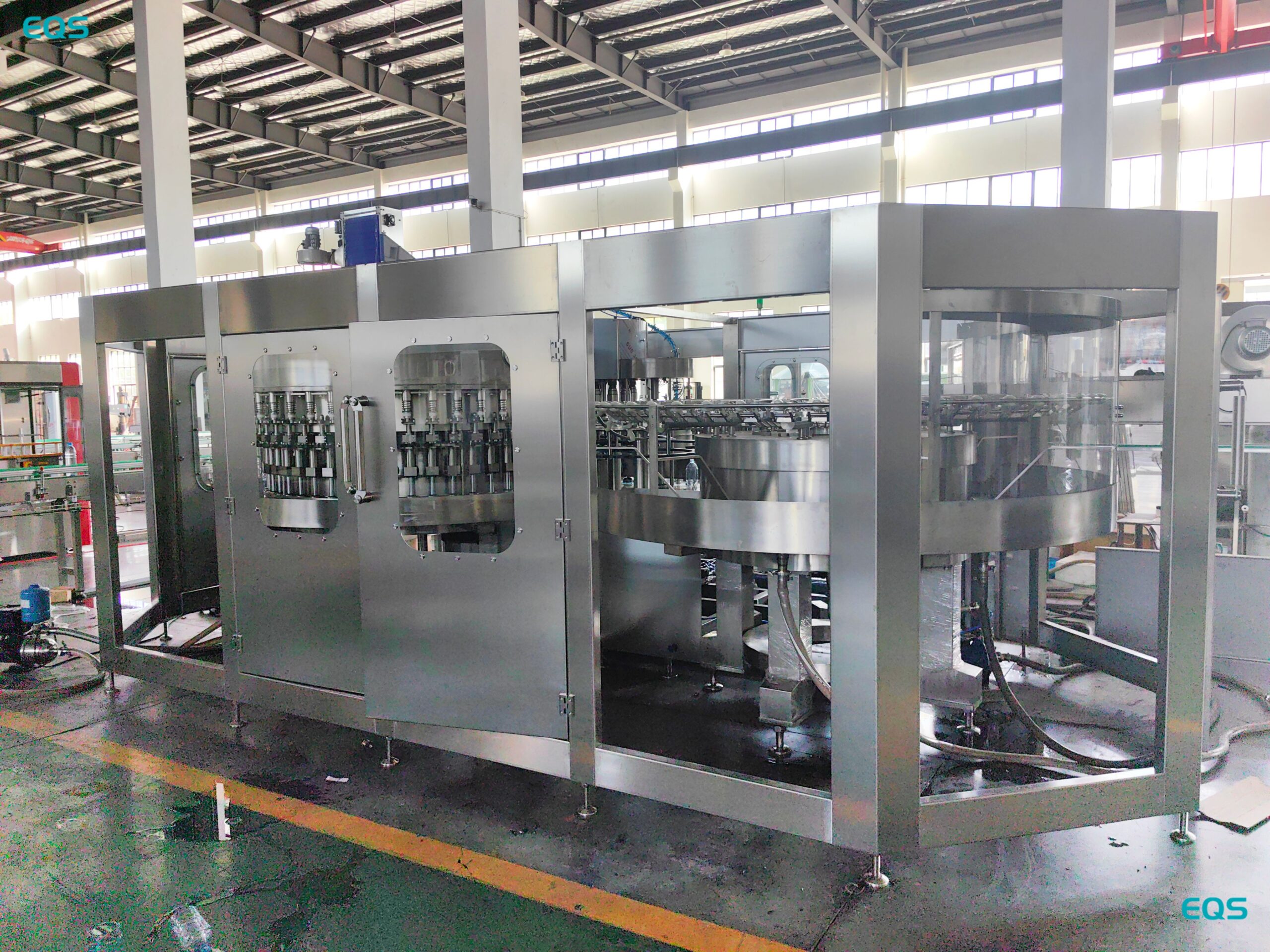
Do All Breweries Sell Their Beer in Bottles Instead of Cans?
It is disappointing to go to a brewery and not find your favorite beer. Have you ever wondered why some breweries favor bottles, others cans, or if there's a specific reason behind it?
The answer is no, not all breweries exclusively use bottles. Many factors influence a brewery's choice between bottles and cans, including market trends and product characteristics.
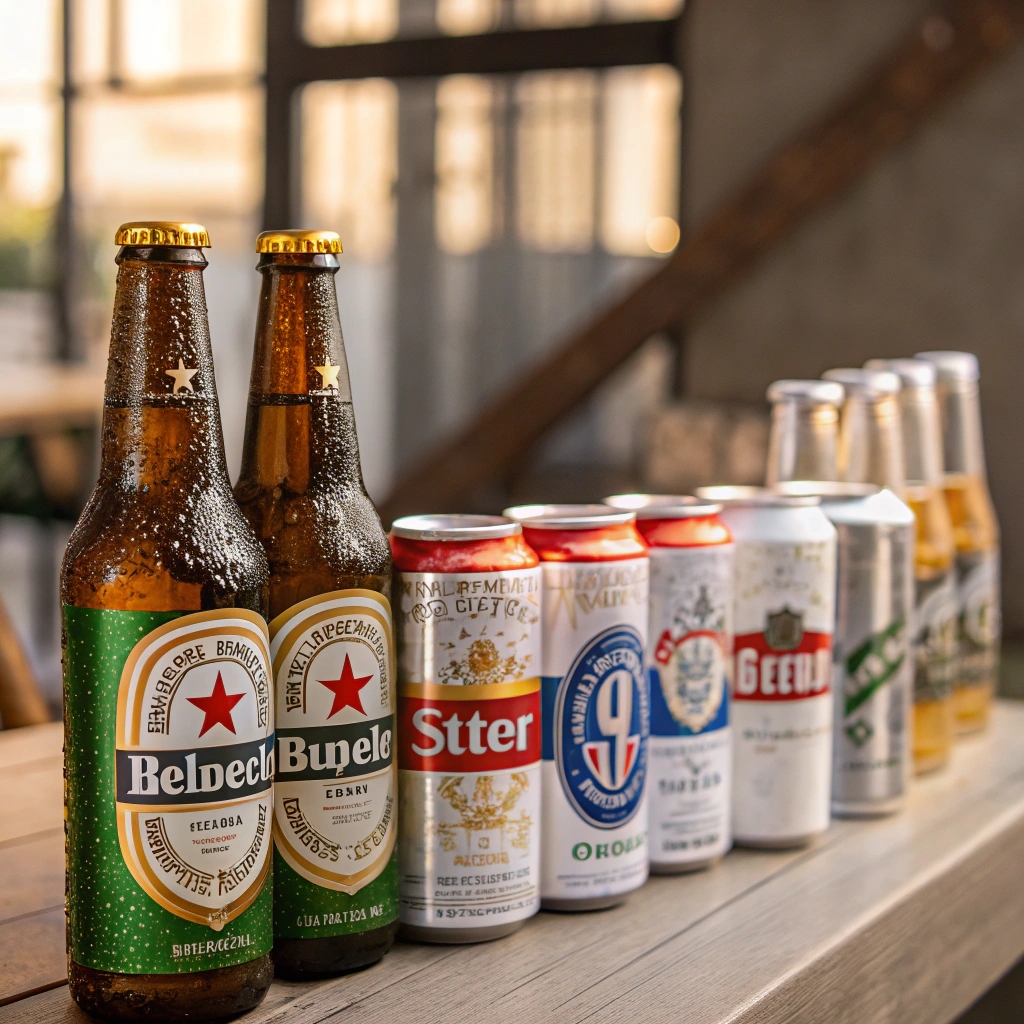
Are you curious to know why breweries are shifting to cans, or whether bottles or cans are better for beer? Keep reading, because I'll explore these questions and more.
Why Are Breweries Switching to Cans?
Imagine lugging a heavy six-pack of glass bottles on a hike. Frustrating, right? What are the problems that breweries are solving by making the switch to cans?
Breweries are increasingly switching to cans because they offer better protection against light and oxygen, are more durable and portable, and are often more sustainable. Cans are also more efficient to ship and store.
Dive Deeper
Several factors are driving the shift toward cans in the beer industry.
| Factor | Explanation |
|---|---|
| Protection | Cans provide a complete barrier against light, which can "skunk" beer, and oxygen, which can oxidize it, changing the beer's flavor and aroma. Bottles, especially clear or green ones, offer less protection. |
| Convenience | Cans are lighter, more durable, and easier to transport than bottles. They don't require a bottle opener and are allowed in more places, like parks and beaches, where glass is often prohibited. |
| Sustainability | Aluminum is highly recyclable, and cans are often made with a significant amount of recycled content. Cans are also lighter than bottles, reducing fuel consumption during transportation. Although producing aluminum is energy intensive, its recyclability gives it a longer life cycle. |
| Efficiency | Cans are easier to stack and store, maximizing space in warehouses and retail locations. Also, breweries can fill cans faster than bottles due to the wider opening, increasing production efficiency. |
| Marketing | Cans offer a larger surface area for branding and graphics, allowing breweries to create eye-catching designs. The entire can body can be customized, whereas bottles are limited to labels. Some breweries are even creating customized bottles for their beers. |
I've noticed more craft breweries are embracing cans, moving away from the traditional image of bottles as the premium option. This shift reflects changing consumer preferences and a growing awareness of the benefits cans offer.
Is It Better to Buy Beer in Bottles or Cans?
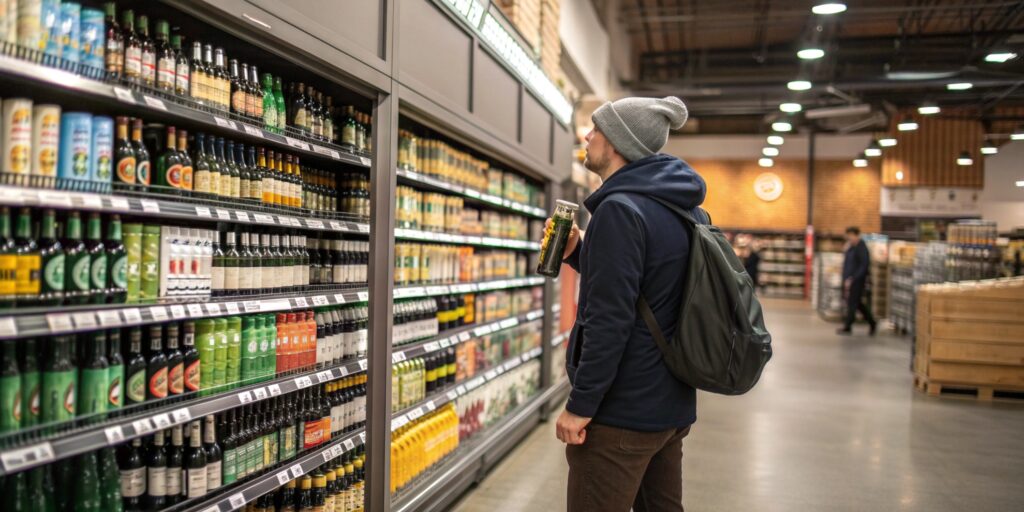
I am standing in the beer aisle, staring at the options. I'm wondering: Does the packaging really affect the beer inside?
Cans generally preserve the taste of beer better due to their superior protection from light and oxygen. They are also more convenient, portable, and often more environmentally friendly than bottles.
Dive Deeper
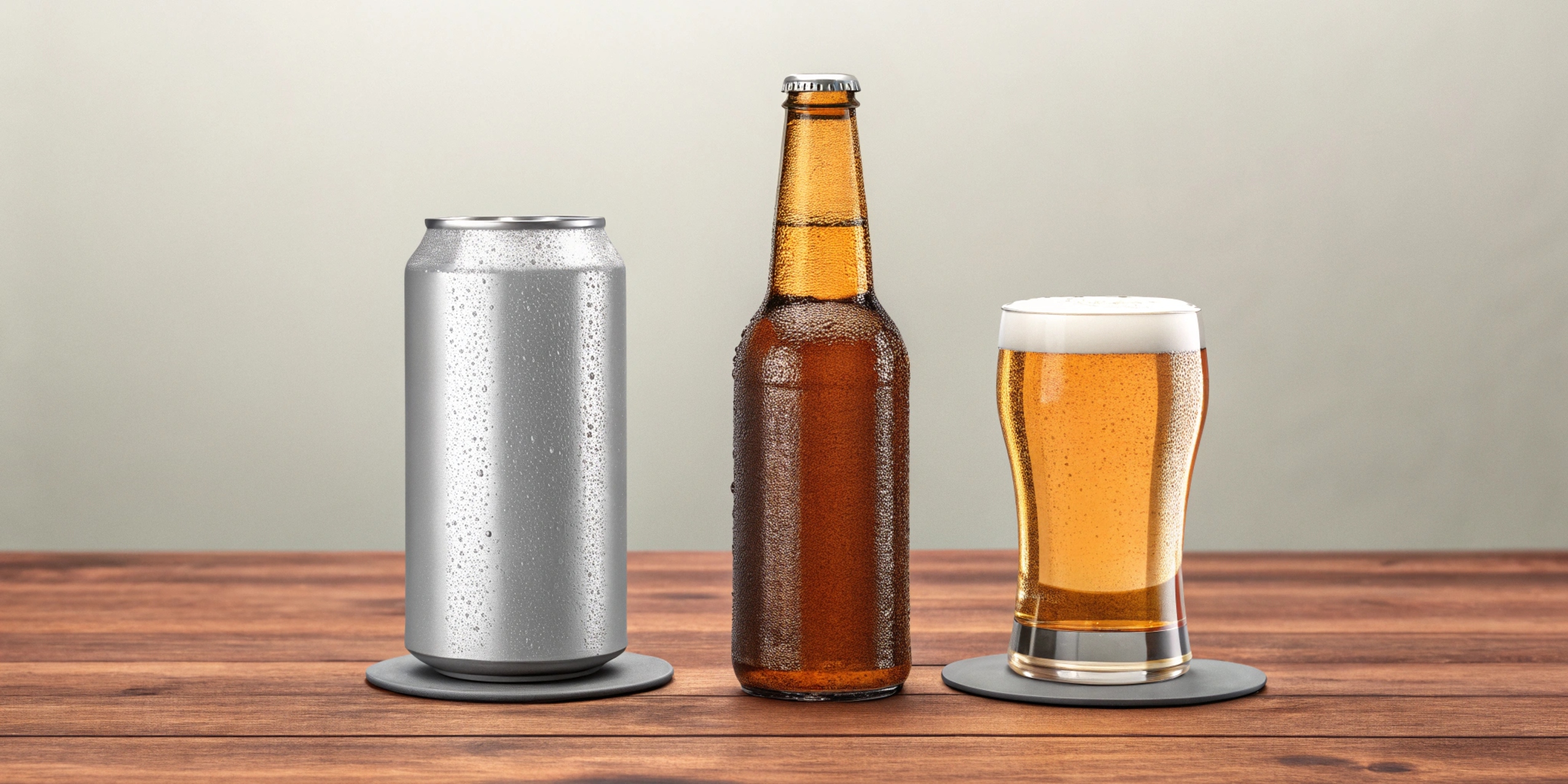
Here's a more detailed comparison of bottles and cans:
| Feature | Bottles | Cans |
|---|---|---|
| Taste | Bottles, especially clear or green glass, allow light to penetrate, which can "skunk" the beer, leading to a bitter taste. Brown bottles offer better protection but are still not as effective as cans. | Cans provide a complete barrier against light, preserving the beer's intended flavor. They also prevent oxygen from entering, which can cause oxidation and stale flavors. |
| Convenience | Bottles can be fragile and require a bottle opener. They are also heavier and take up more space. | Cans are lightweight, durable, and easy to open without any tools. They are also stackable and take up less space, making them ideal for outdoor activities and events. |
| Environment | Glass is recyclable, but it is heavier and requires more energy to transport. Recycling glass also requires high temperatures. | Aluminum is highly recyclable and lighter than glass, reducing transportation costs and energy consumption. Cans can also be recycled using only 5% of the energy required to make new ones. |
| Cost | The cost of bottles can vary depending on the type and quantity ordered. Customized bottles can be more expensive. | Cans are generally cheaper to produce and transport than bottles. The cost savings can be passed on to consumers. |
| Perception | Traditionally, bottles were seen as the premium option, associated with higher-quality beers. However, this perception is changing as more craft breweries embrace cans. Some brewers even decided to create customized bottles for their beers, they could be screen-printed, branded or have some other kind of personal touch. | Cans have shed their image as a cheap alternative and are now widely accepted as a quality packaging option. Many breweries use eye-catching can designs to appeal to consumers. |
Ultimately, the best choice depends on personal preference. However, based on the factors above, cans offer several advantages over bottles in terms of taste preservation, convenience, and environmental impact.
Does Any Beer Come in Plastic Bottles?
I'm packing for a camping trip and trying to minimize weight. I wonder, are there any beers in plastic bottles?
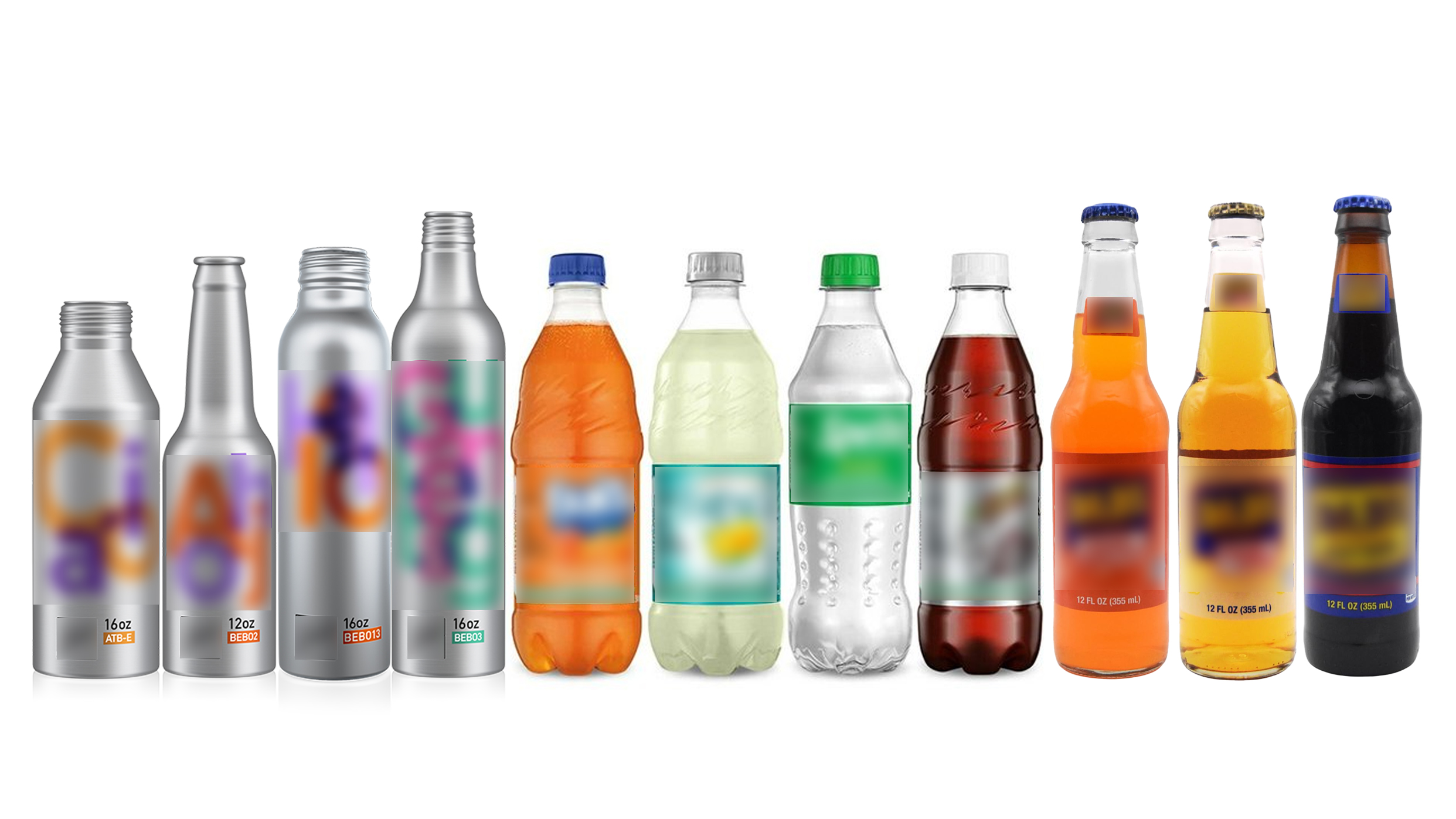
While less common, some beers are packaged in plastic bottles, although it's not the preferred method due to potential taste and carbonation issues.

Dive Deeper
The use of plastic bottles for beer packaging is limited due to several factors:
| Factor | Explanation |
|---|---|
| Permeability | Plastic is porous, which means it allows carbon dioxide to escape and oxygen to enter. This can lead to flat, stale-tasting beer. |
| Taste Alteration | Some plastics can affect the flavor of beer, especially over long periods. Glass and aluminum are inert and do not alter the taste. |
| Light Sensitivity | Most plastics are clear or green, offering little protection from light. Light can cause beer to become "skunked," developing an unpleasant aroma and flavor. |
| Shelf Life | Beer in plastic bottles has a shorter shelf life than beer in glass or aluminum. The loss of carbonation and oxidation can quickly degrade the quality of the beer. |
| Environmental Concerns | While plastic is recyclable, it is not as easily or frequently recycled as aluminum or glass. Plastic also has a higher carbon footprint than aluminum. |
Despite these drawbacks, some breweries have experimented with plastic bottles, particularly for large-format or single-serving containers. These bottles are often made from a special type of plastic that is less permeable to gas, but they are still not ideal for long-term storage.
I've noticed that even breweries that once used plastic bottles are now moving away from them in favor of more sustainable and taste-preserving options like cans and glass.
Conclusion
In conclusion, the beer world isn't confined to just bottles. Cans are on the rise. They provide better protection, convenience, and environmental benefits. So next time you are choosing between a bottle or can of beer, remember, it is more than just packaging, it is about enjoying the best possible brew.