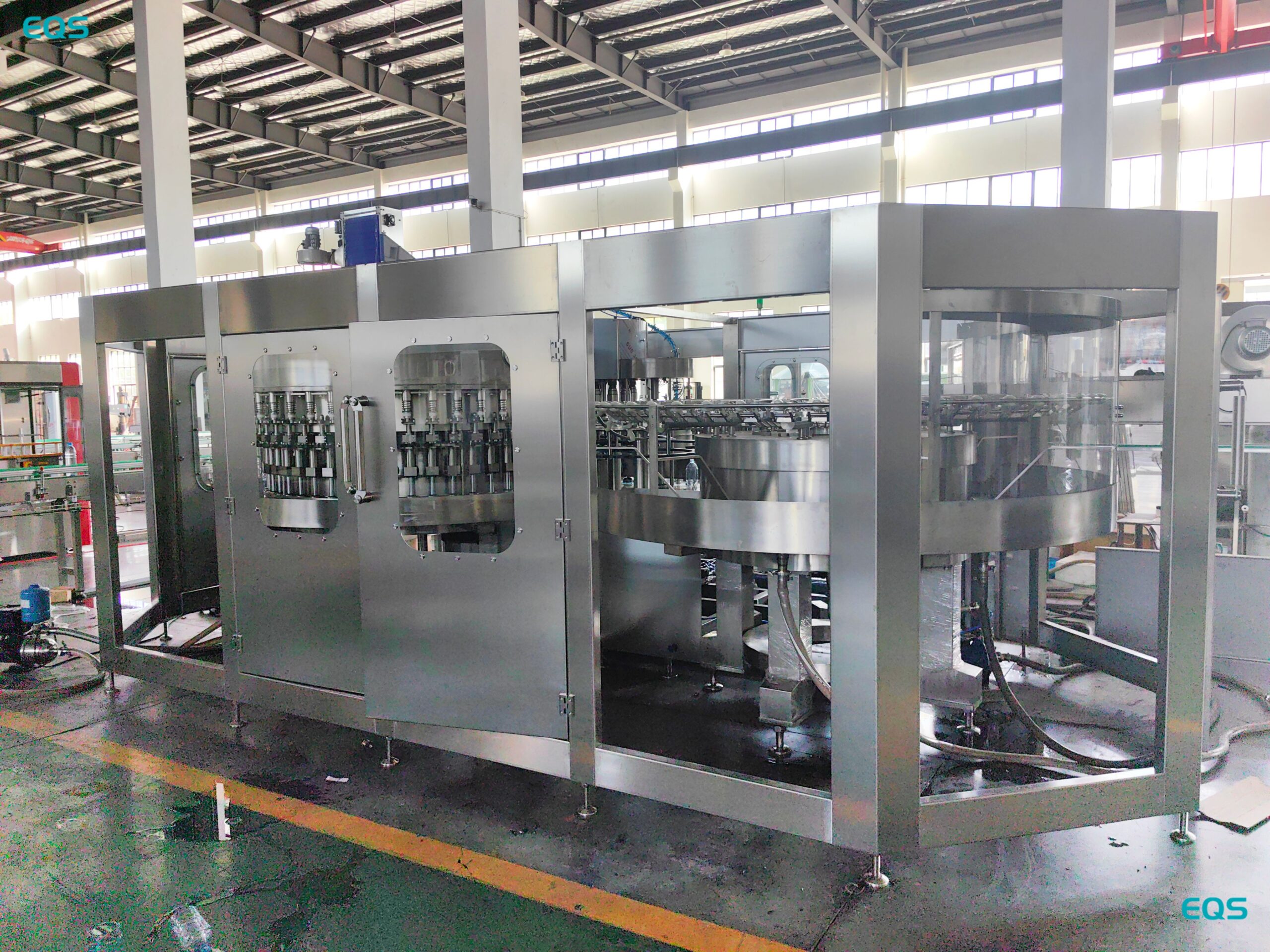
Why Did Soda Bottlers Go to Plastic Bottles?
Ever wonder why your soda comes in a plastic bottle these days? It wasn't always that way.
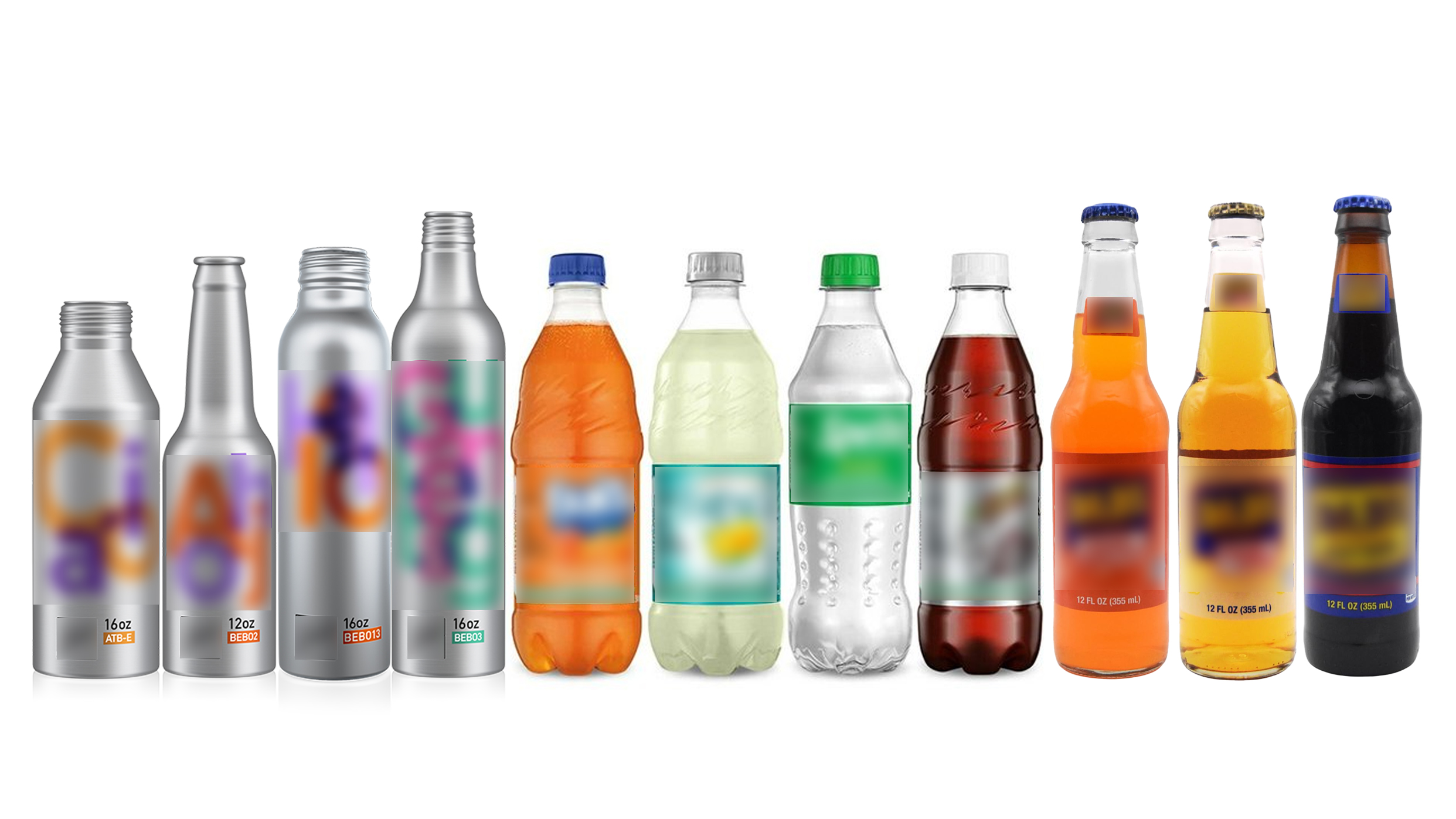
Soda companies switched to plastic bottles mainly because they're cheaper, easier to move, and simpler to make than glass. This happened in the mid-1970s and 1980s. Plastic bottles are lighter, cost less to produce, and take less energy to transport compared to heavier, breakable glass bottles.

Let's look closer at the reasons behind this change.
Why Did Soda Companies Switch to Plastic Bottles?
What exactly made plastic so appealing to soda companies? Several factors played a role.
Soda companies switched to plastic bottles due to cost savings, reduced weight for transportation, decreased breakage, and design flexibility.
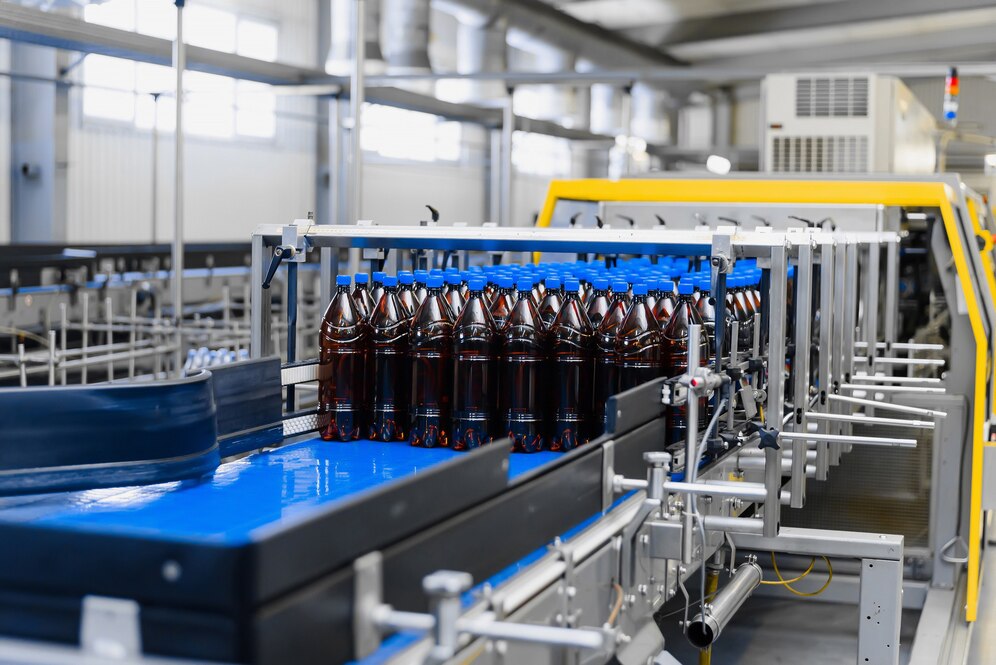
Let's break down each of these reasons.
The Forces Behind the Plastic Revolution
The shift from glass to plastic was driven by a combination of economic and practical advantages.
| Reason | Explanation | Impact |
|---|---|---|
| Cost Savings | Plastic bottles are cheaper to produce than glass bottles. | Lower production costs, higher profit margins. |
| Reduced Weight | Plastic bottles are significantly lighter than glass bottles. | Lower transportation costs, easier handling for consumers. |
| Decreased Breakage | Plastic bottles are less likely to break than glass bottles. | Reduced product loss, safer handling. |
| Design Flexibility | Plastic bottles can be molded into a variety of shapes and sizes. | Greater branding opportunities, more appealing product presentation. |
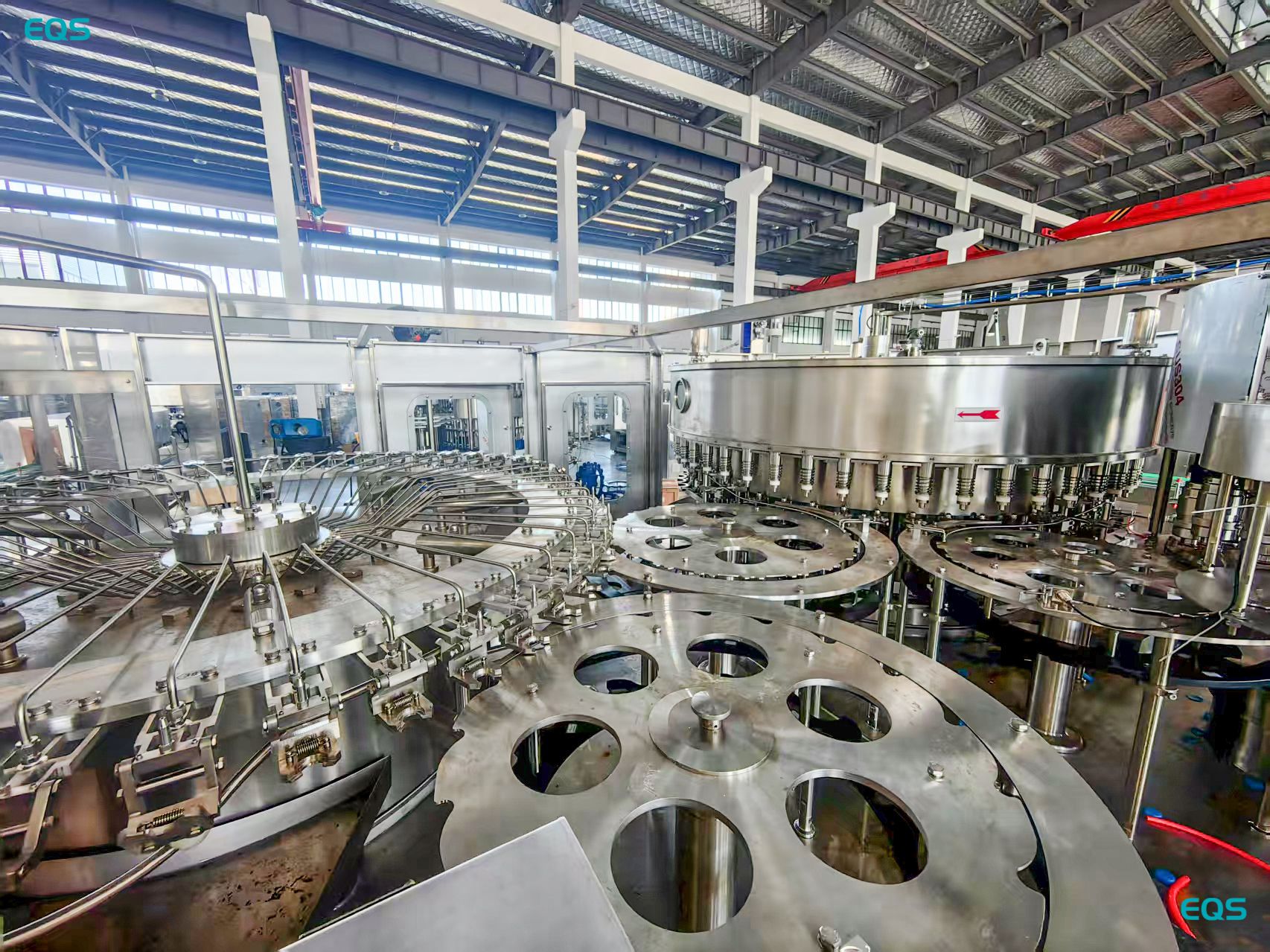
As a filling machine manufacturer, EQS has adapted to the changing needs of the beverage industry.
Why Don't We Use Glass Soda Bottles Anymore?
Where did all the glass bottles go? They haven't disappeared entirely, but they're much less common.
Glass soda bottles are less common now due to higher production costs, increased weight and transportation expenses, and the risk of breakage compared to plastic.
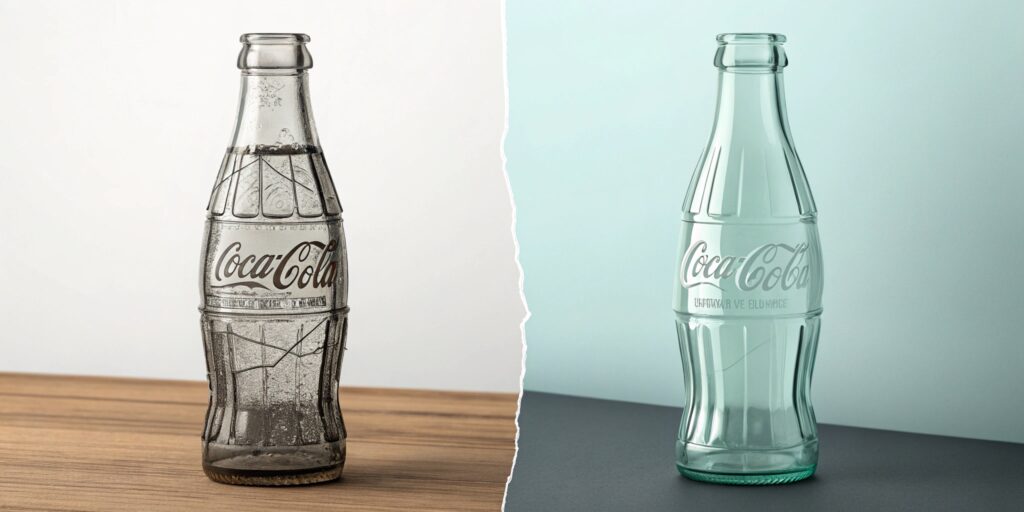
Let's explore the drawbacks of glass bottles.
The Decline of Glass: A Matter of Economics and Logistics
While glass has its advantages, the drawbacks ultimately led to its decline in the soda industry.
| Disadvantage | Explanation | Impact |
|---|---|---|
| Higher Production Cost | Glass bottles require more energy and resources to produce than plastic bottles. | Increased manufacturing expenses, lower profitability. |
| Increased Weight | Glass bottles are heavier than plastic bottles, adding to transportation costs. | Higher fuel consumption, increased shipping expenses. |
| Risk of Breakage | Glass bottles are more fragile and prone to breakage than plastic bottles. | Product loss, potential safety hazards. |
I still remember the days when returning glass soda bottles for a deposit was common. It was an environmentally friendly practice, but it was also labor-intensive and costly for bottlers. Plastic bottles, while not as easily recyclable, offered a more convenient and economical alternative.
Why Did Coke Stop Using Glass Bottles?
Coke, the king of soda, also made the switch. What drove their decision?
Coca-Cola stopped primarily using glass bottles due to the economic advantages of plastic, including lower production and transportation costs, reduced breakage, and increased design flexibility.
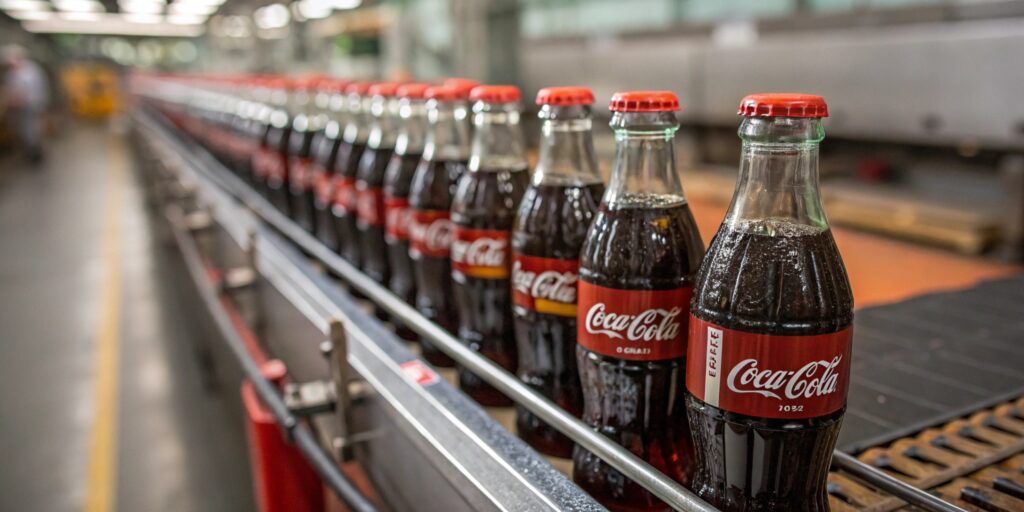
Let's focus specifically on Coke's experience.
Coke's Plastic Conversion: A Business Perspective
Coca-Cola's decision to switch to plastic was a strategic move to improve efficiency and profitability.
| Factor | Explanation | Impact on Coke |
|---|---|---|
| Cost Efficiency | Plastic bottles offered significant cost savings compared to glass. | Increased profit margins, ability to offer competitive pricing. |
| Logistics | Plastic bottles were lighter and easier to transport, reducing shipping costs. | Streamlined distribution, wider market reach. |
| Marketing | Plastic bottles allowed for more creative and eye-catching designs. | Enhanced brand image, improved shelf appeal. |
When Did Soda Bottles Become Plastic?
When did this plastic revolution actually take place? It wasn't an overnight change.
The transition from glass to plastic soda bottles largely occurred in the mid-1970s and 1980s, driven by the introduction of PET (polyethylene terephthalate) plastic, which was lightweight, durable, and recyclable.
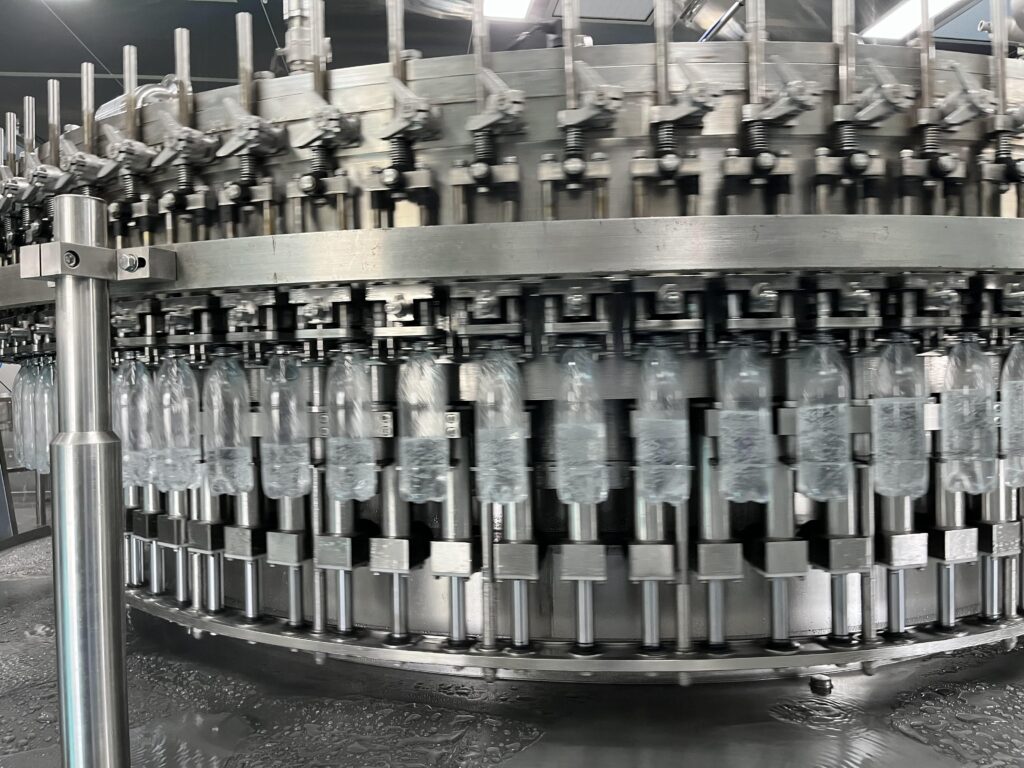
Let's pinpoint the timeline.
Tracing the Plastic Timeline
The shift to plastic was a gradual process, with PET plastic playing a key role.
| Decade | Key Developments | Impact on Soda Industry |
|---|---|---|
| 1960s | Initial experiments with plastic bottles, but limited adoption due to cost and performance issues. | Slow adoption of plastic, glass remained dominant. |
| 1970s | Introduction of PET plastic, which offered improved strength, clarity, and recyclability. | Gradual shift to plastic, particularly for larger bottle sizes. |
| 1980s | Mass adoption of plastic bottles, with PET becoming the industry standard. | Plastic became the dominant material for soda bottles. |
Conclusion
The switch from glass to plastic soda bottles was driven by economic and practical considerations. While glass offers certain advantages, plastic's cost-effectiveness, light weight, and durability made it the clear winner.
My name is Allen, and I'm an expert in filling machine technology at EQS (eqsfilling.com), a leading liquid packaging solution provider based in China. If you're looking for top-quality filling machines for your production line, feel free to reach out to me at [email protected]. We specialize in providing customizable solutions with cutting-edge technology.