Why Are Carbonated Soft Drinks Cheaper Than Bottled Water?
Have you ever noticed that soda is often cheaper than water? It seems strange, doesn't it?
Carbonated soft drinks are often cheaper than bottled water because of marketing strategies, lower production costs, and consumer preferences. Soft drink companies often price their products to be more appealing, even though water is healthier.
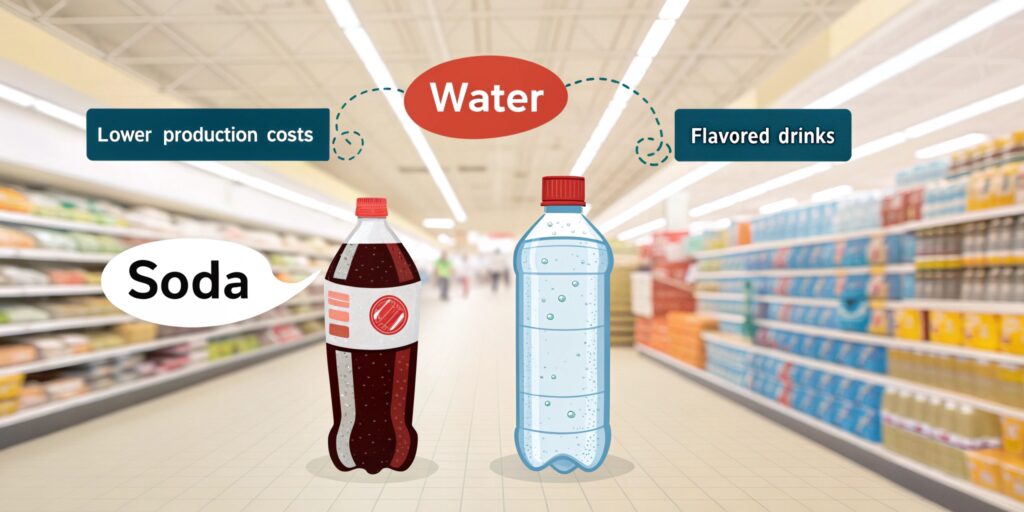
Let's dive into the reasons behind this pricing difference.
Why Are Sodas Cheaper Than Water?
Are you wondering why sugary sodas can be more affordable than plain water? Several factors are at play.
Sodas are often cheaper than water due to economies of scale in production, established distribution networks, and strategic pricing by large beverage companies.
Let's explore these factors in more detail.
Unpacking the Price Disparity
The price difference between sodas and water is a complex issue involving production, distribution, and marketing.
| Factor | Impact on Soda Price | Impact on Bottled Water Price |
|---|---|---|
| Production Costs | Mass production leads to lower per-unit costs. Ingredients (water, sugar, flavorings) are relatively inexpensive. | Purification, bottling, and packaging can be more expensive per unit. |
| Distribution Networks | Established and efficient distribution systems reduce transportation costs. | Distribution networks may be less established or efficient, especially for smaller brands. |
| Marketing & Branding | Large marketing budgets and brand recognition allow for competitive pricing. | Smaller marketing budgets may require higher prices to cover costs. |
| Strategic Pricing | Priced to be attractive to consumers, even if it means lower profit margins per unit. | Often priced higher due to perceived value as a "healthy" option. |
I once spoke with a beverage industry analyst who explained that the large soda companies have mastered the art of cost optimization. They leverage their massive scale to drive down production costs, and their sophisticated distribution networks ensure that their products are available everywhere at competitive prices. This makes it difficult for smaller bottled water companies to compete on price.
Why Is Bottled Water More Expensive?
Have you ever stopped to think about why bottled water costs more than you'd expect? There are several contributing factors.
Bottled water is more expensive due to the costs associated with purification, packaging, transportation, and marketing, as well as the perceived value of convenience and purity.
Let's break down these costs to understand the pricing.
Decoding the Bottled Water Price Tag
The price of bottled water reflects the various steps involved in getting it from the source to your hand.
| Cost Factor | Explanation | Impact on Price |
|---|---|---|
| Purification | Water may undergo various purification processes (filtration, distillation, reverse osmosis) to ensure purity. | Adds to the production cost. |
| Packaging | Bottles (plastic or glass) and labels contribute to the overall cost. | Higher quality or eco-friendly packaging can increase the price. |
| Transportation | Bottled water is often transported long distances from the source to retailers. | Adds to the distribution cost, especially with rising fuel prices. |
| Marketing & Branding | Companies invest in marketing to create a perception of purity, health, and convenience. | Marketing costs are factored into the price. |
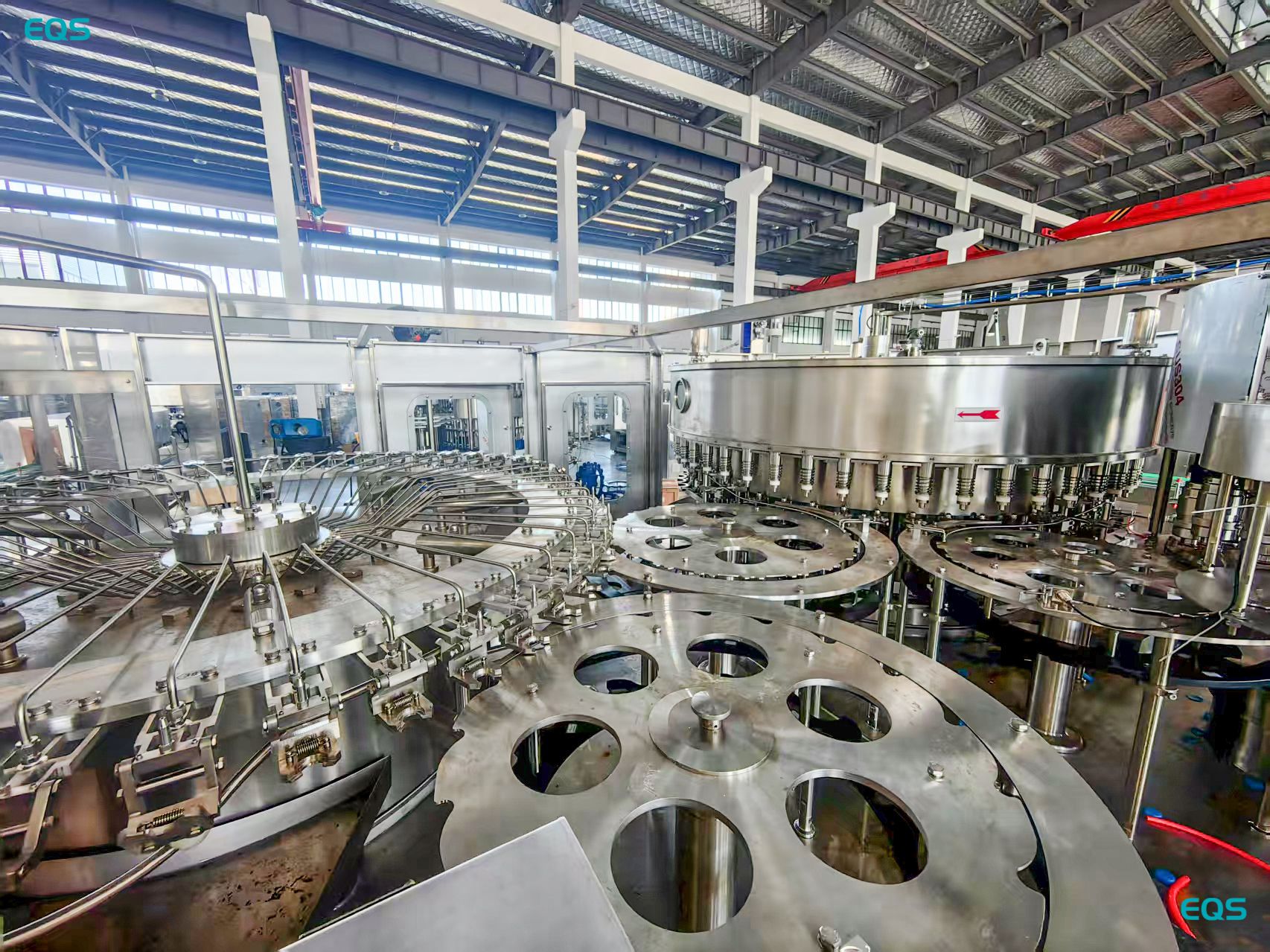
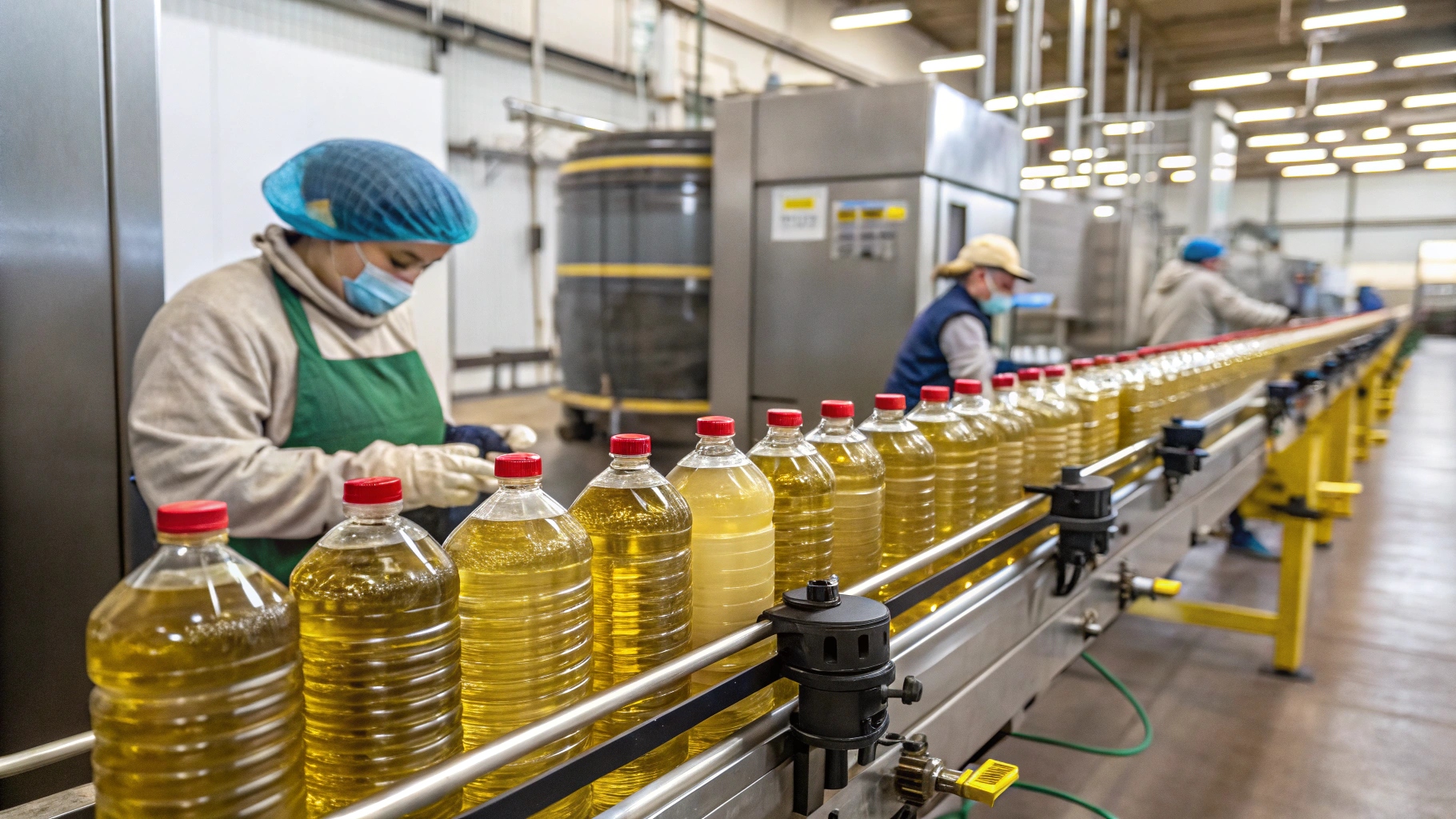
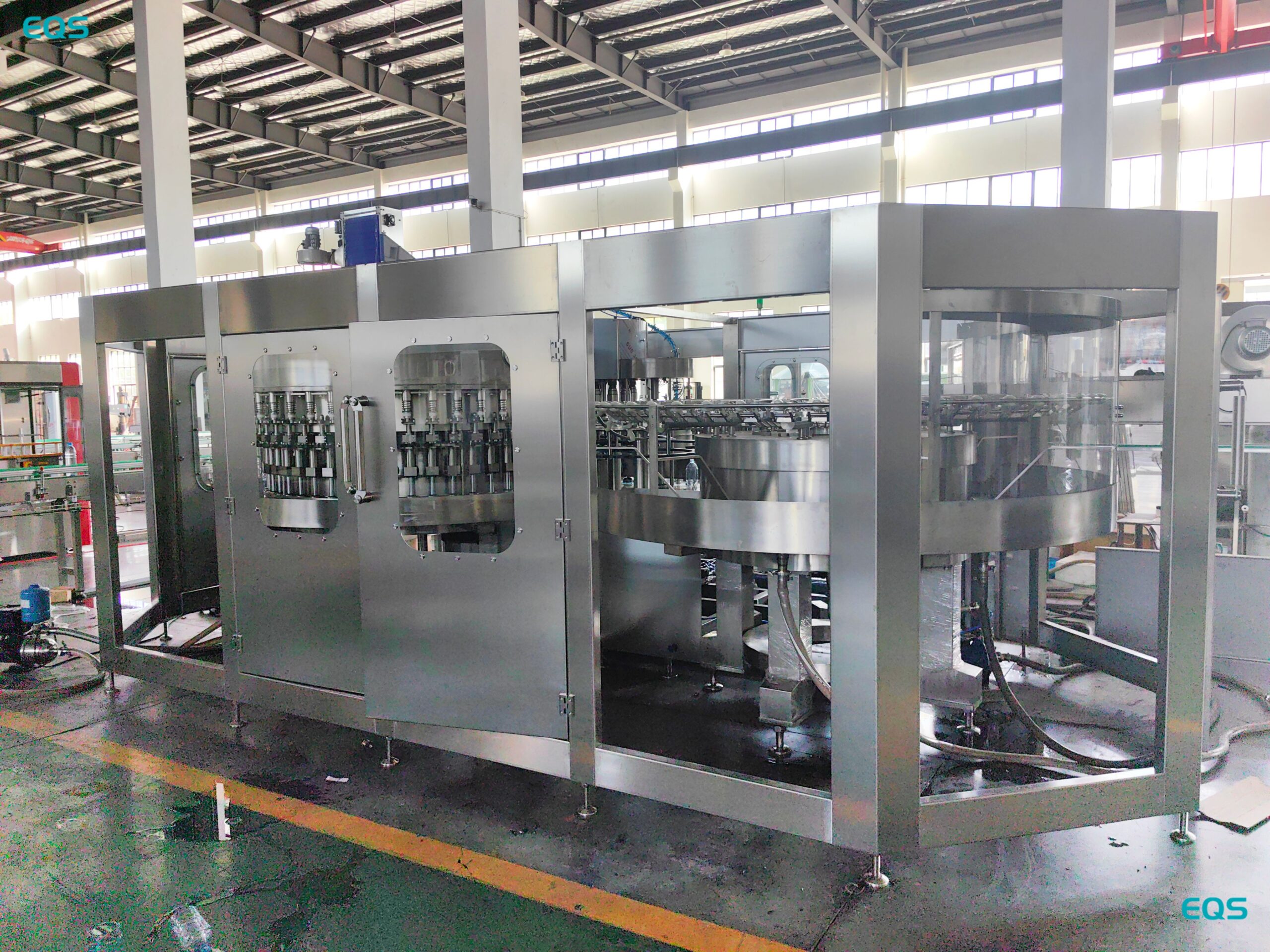
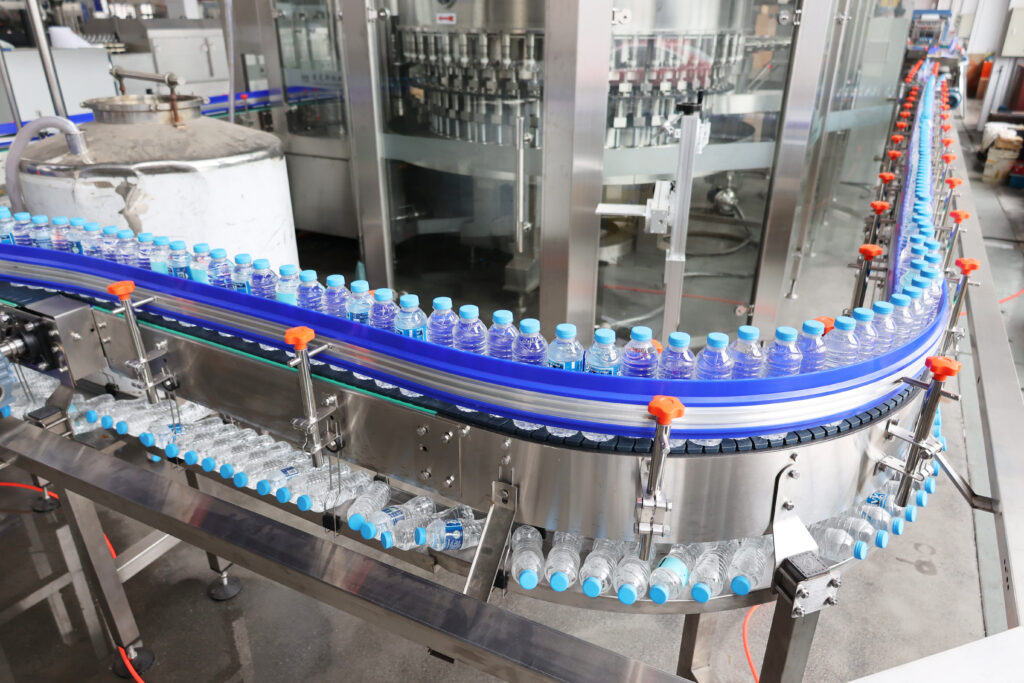
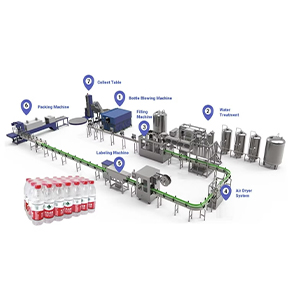
I once toured a bottled water plant and was surprised by the complexity of the purification process. The water went through multiple stages of filtration and sterilization to ensure it met strict quality standards. This level of processing, while essential for safety, adds to the overall cost of the product.
Why Are Bottled Sodas So Expensive?
Are you wondering why bottled sodas, especially certain brands or sizes, can seem pricey? It's a combination of branding, packaging, and distribution.
Bottled sodas can be expensive due to premium branding, specialized packaging (like glass bottles), and targeted distribution to specific markets, such as restaurants or convenience stores.
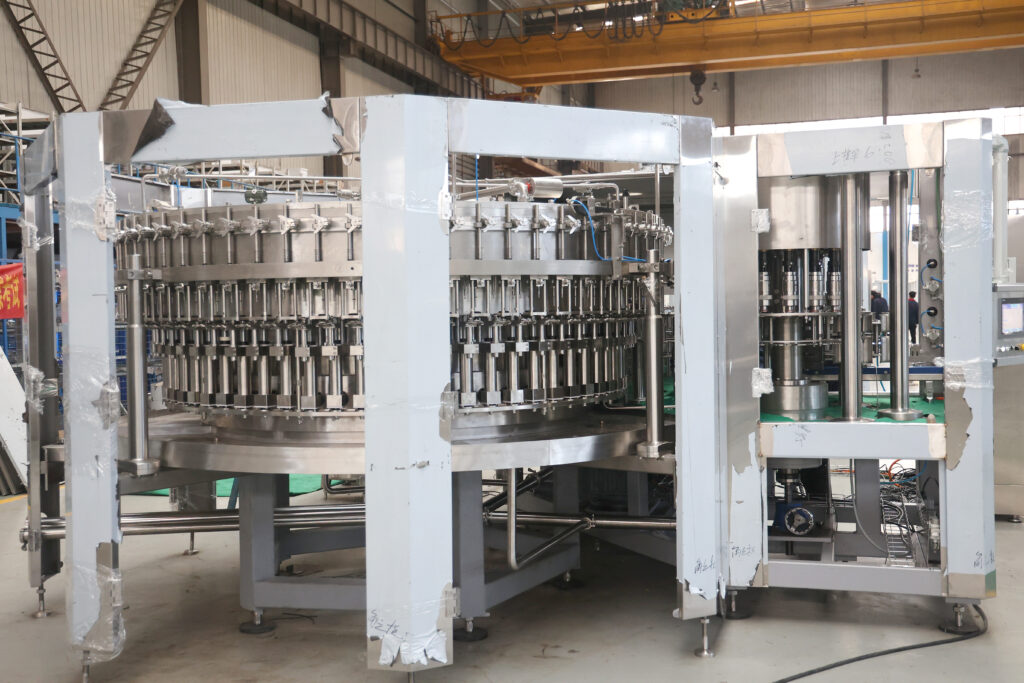
Let's examine the factors that contribute to the higher cost.
The Premium Soda Market
Certain bottled sodas position themselves as premium products, justifying a higher price point.
| Factor | Explanation | Example |
|---|---|---|
| Premium Branding | Brands create a perception of higher quality, using unique flavors, natural ingredients, or artisanal production methods. | Craft sodas with unique flavor combinations and natural sweeteners often command a higher price. |
| Specialized Packaging | Glass bottles or unique packaging designs add to the production cost. | Sodas in glass bottles are often priced higher due to the cost of the bottle and the perception of higher quality. |
| Targeted Distribution | Distributed to specific markets, such as restaurants, cafes, or specialty stores, where consumers are willing to pay more. | Sodas sold in high-end restaurants or cafes often have a higher markup. |
| Lower Production Volume | Produced in smaller batches, which increases the per-unit cost. | Small-batch sodas from independent producers often have a higher price due to the lack of economies of scale. |
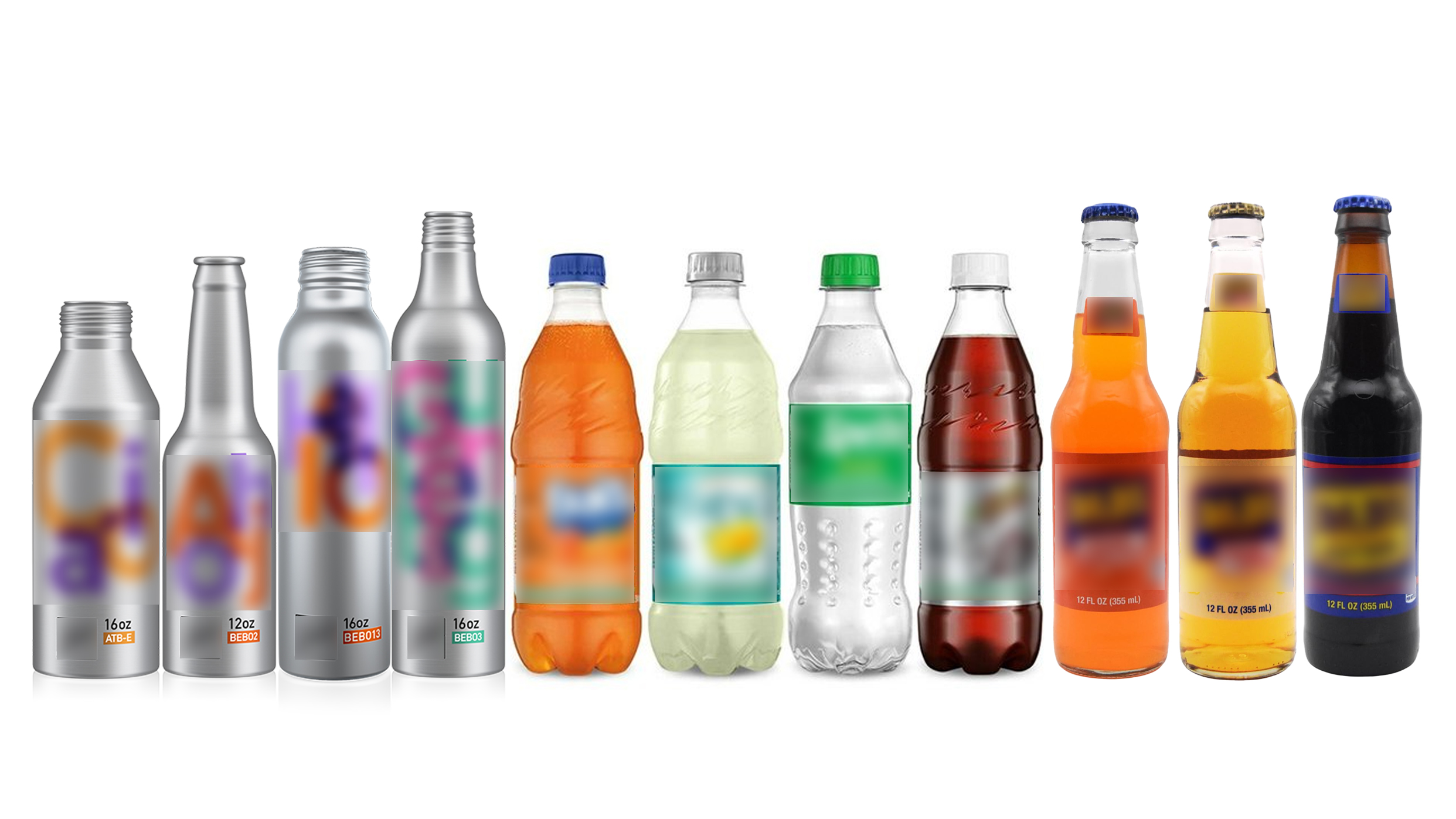
I've noticed that certain brands of bottled soda, especially those in glass bottles, are often marketed as a premium alternative to mainstream sodas. They appeal to consumers who are looking for a more sophisticated or nostalgic experience, and they are willing to pay a higher price for it.
Why Are 2 Liter Sodas Cheaper?
Have you ever wondered why those big 2-liter bottles of soda are so cheap compared to smaller bottles or cans? It's all about volume and efficiency.
2-liter sodas are cheaper due to economies of scale in production and packaging, as well as strategic pricing to attract bulk purchases.
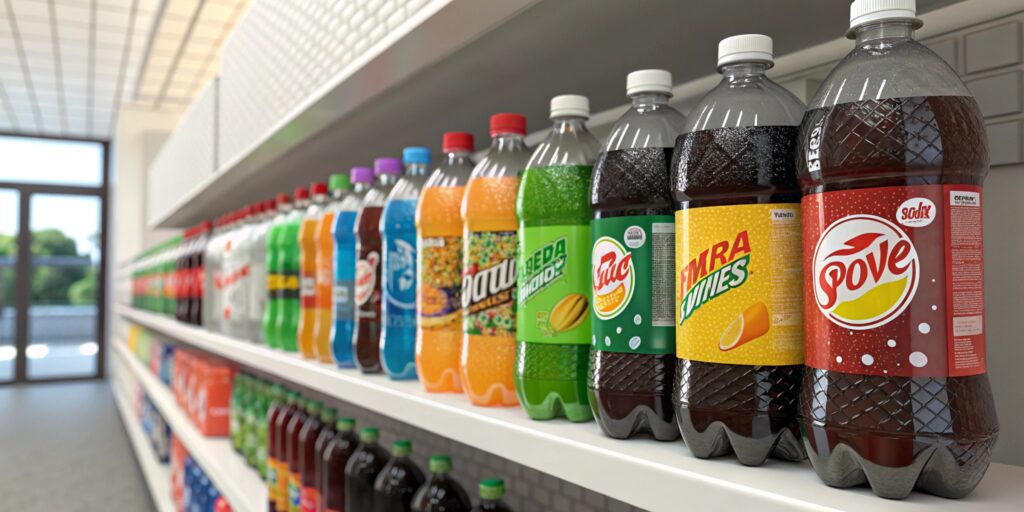
Let's explore how bulk packaging affects the price.
The Power of Bulk
The 2-liter soda bottle is a prime example of how bulk packaging can drive down prices.
| Factor | Explanation | Impact on Price |
|---|---|---|
| Economies of Scale | Producing and filling larger bottles is more efficient than smaller bottles or cans. | Lower per-unit production costs. |
| Packaging Efficiency | Less packaging material is used per ounce of soda compared to smaller containers. | Reduces packaging costs. |
| Bulk Purchasing | Attracts consumers who are looking for value and are willing to buy in larger quantities. | Increased sales volume, even at a lower profit margin per unit. |
| Strategic Pricing | Often priced to be competitive and encourage larger purchases. | Drives sales volume and market share. |
I remember reading an article about how soda companies use 2-liter bottles as a loss leader to attract customers. They may not make a huge profit on each bottle, but they hope that customers will also purchase other, higher-margin products when they're in the store.
Conclusion
Carbonated soft drinks are often cheaper than bottled water due to a combination of production efficiencies, strategic pricing, and marketing tactics. While bottled water may have a perceived health benefit, the lower price of soda makes it an attractive option for many consumers.
My name is Allen, and I'm an expert in filling machine technology at EQS (eqsfilling.com), a leading liquid packaging solution provider based in China. If you're looking for top-quality filling machines for your production line, feel free to reach out to me at [email protected]. We specialize in providing customizable solutions with cutting-edge technology.