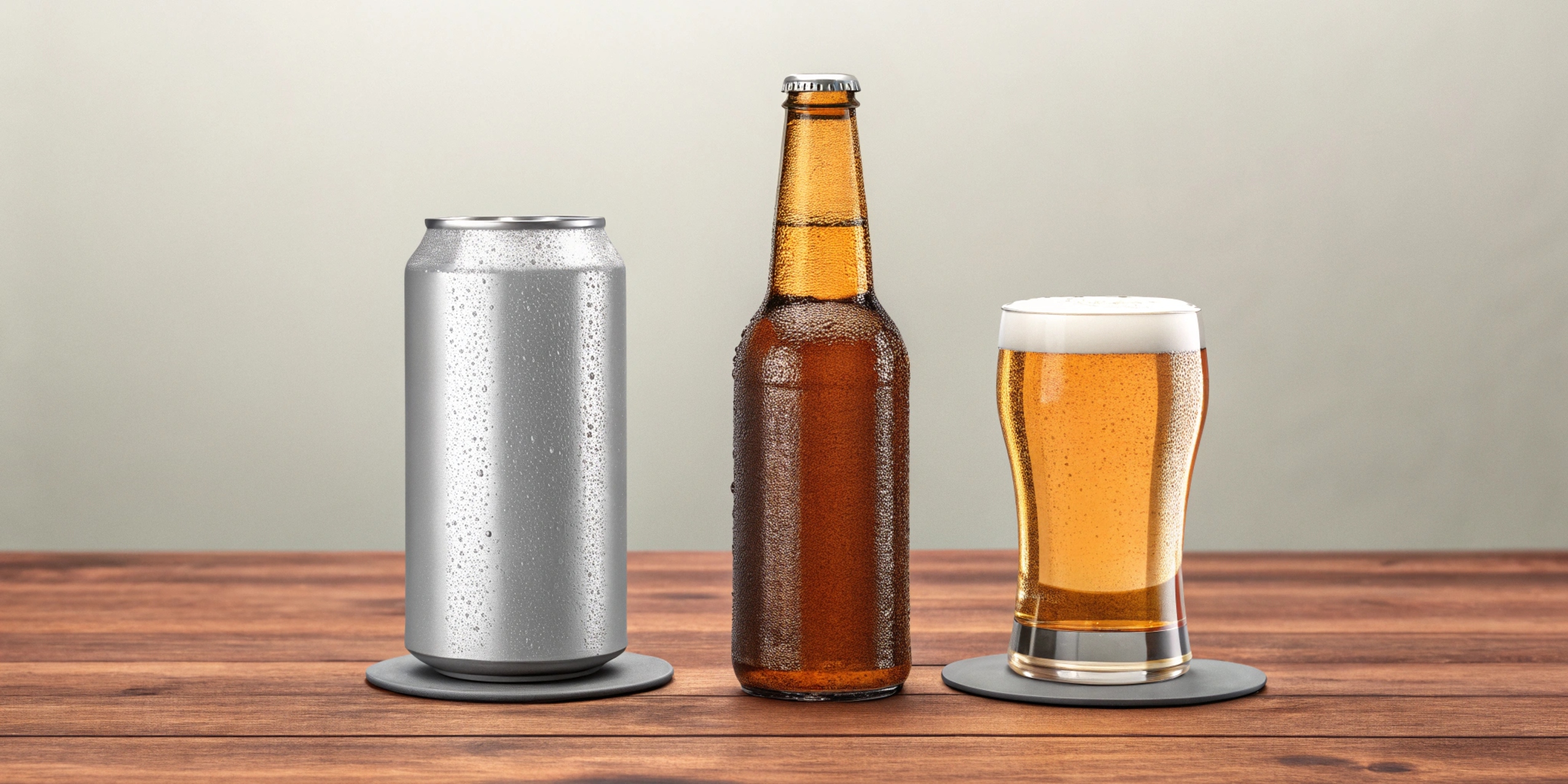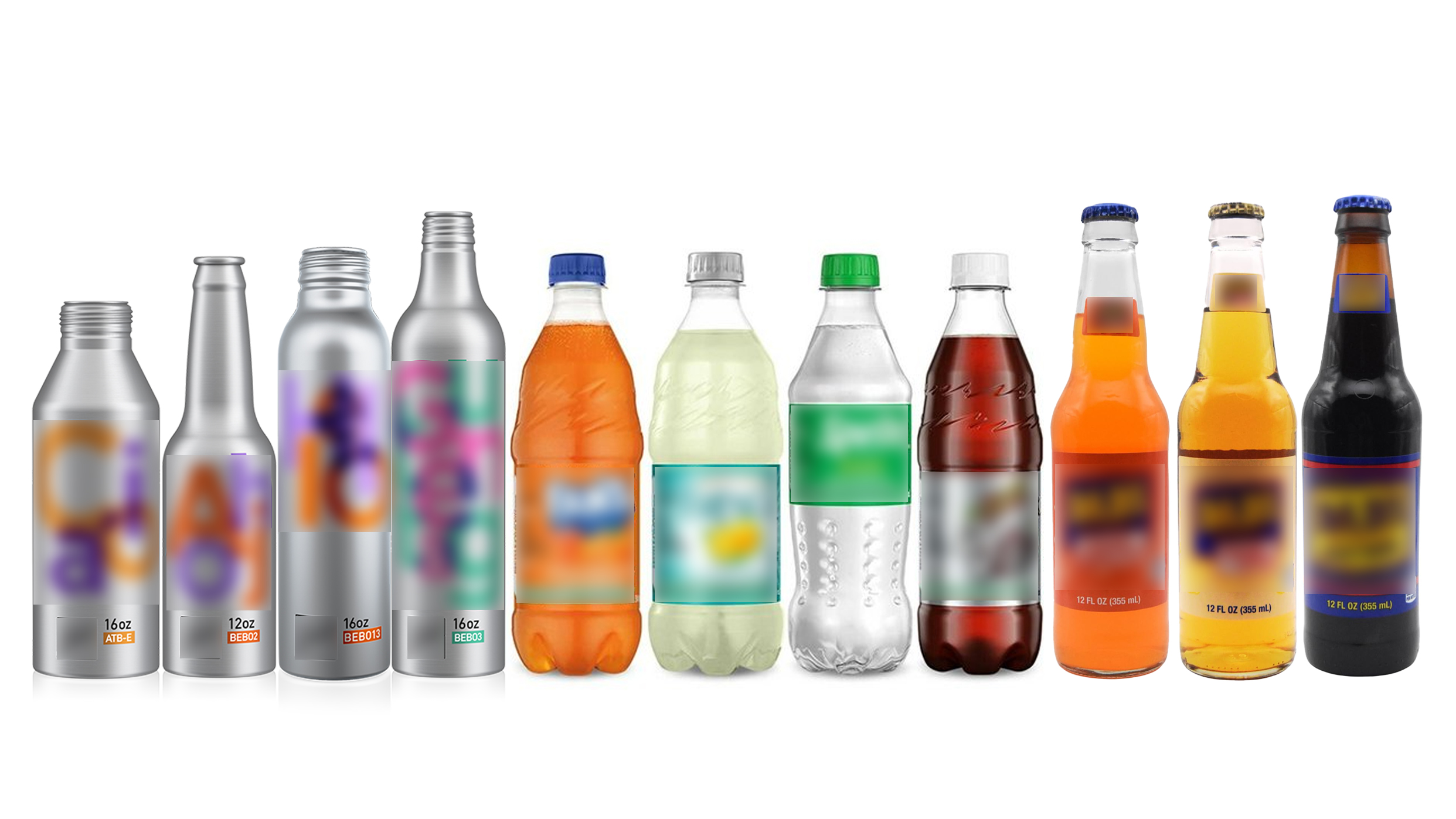
Why Do Beer Bottles Have Long Mouths?
Ever notice the long necks on beer bottles? They're not just for show!
Beer bottles have long mouths primarily to help prevent carbon dioxide from escaping during transportation and storage, keeping your beer fizzy and fresh.
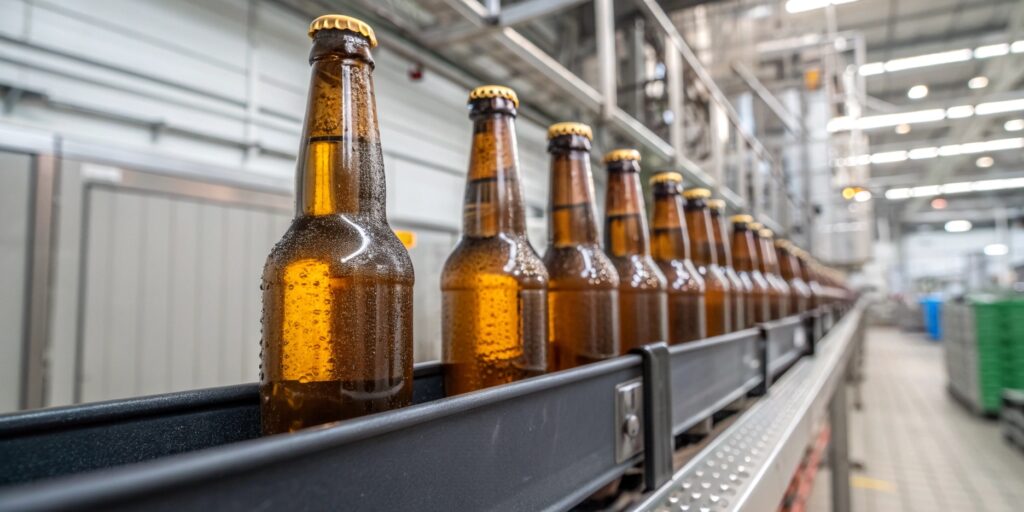
Curious about other reasons for the long neck design? Keep reading!
Why Do Beer Bottles Have a Long Neck?
Are you wondering about the specific purpose of the long neck? It serves several important functions.
Beer bottles have long necks to minimize the surface area exposed to air, helping to preserve carbonation and prevent oxidation, which can spoil the beer.

Let's dig a little deeper into the science behind the shape.
The Science of the Long Neck
Think about what happens to a bottle of soda when you leave it open. It goes flat, right? The long neck of a beer bottle helps prevent that.
- Preserving Carbonation: The smaller opening reduces the rate at which carbon dioxide escapes.
- Reducing Oxidation: Less surface area exposed to air means less oxidation, which can lead to off-flavors.
- Temperature Control: The neck allows you to hold the bottle without warming the beer inside.
- Easier Handling: The long neck provides a comfortable grip for pouring.
- Historical Reasons: The shape has become a standard in the industry, influenced by traditional glassblowing techniques.
I remember a visit to a small brewery where they experimented with different bottle shapes. They found that the long-neck bottles consistently preserved the beer's carbonation and flavor better than shorter, wider bottles. It was a practical demonstration of the design's effectiveness.
Why Are Beer Bottles Shaped That Way?
Is it just the long neck, or is there more to the overall shape of beer bottles? The shape is optimized for several factors.
Beer bottles are shaped to withstand internal pressure from carbonation, minimize light exposure, and provide stability during transportation and storage.
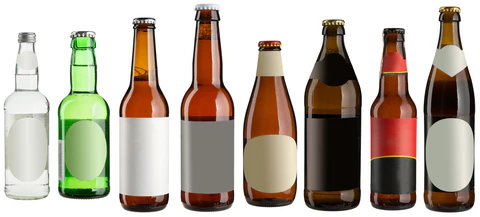
Let's break down the different design elements and their functions.
Decoding the Beer Bottle Shape
The shape of a beer bottle is a result of careful engineering, combining practicality with marketing considerations.
| Feature | Function | Benefit |
|---|---|---|
| Long Neck | Reduces surface area for gas exchange, preserving carbonation and minimizing oxidation. | Keeps beer fizzy and fresh, prevents off-flavors. |
| Rounded Body | Evenly distributes pressure from carbonation, preventing the bottle from bursting. | Ensures the bottle can withstand the internal pressure. |
| Dark Color | Protects the beer from light exposure, which can cause "skunking" or lightstruck flavors. | Preserves the beer's original flavor and aroma. |
| Standard Size | Facilitates efficient packing and stacking for transportation and storage. | Reduces shipping costs and minimizes breakage during handling. |
I once consulted with a craft brewery that was considering using clear glass bottles for aesthetic reasons. I advised them against it, explaining that clear glass would allow more light to penetrate, potentially causing the beer to skunk. They ultimately decided to stick with amber bottles, prioritizing the quality and flavor of their product.
Why Are All Beer Bottles Not Twist Off?
Have you ever wondered why some beer bottles require an opener while others have a twist-off cap? There's a reason for the difference.
Not all beer bottles are twist-off because some brewers believe pry-off caps provide a better seal, preserving freshness and preventing leakage. Additionally, some consumers prefer the traditional experience of opening a beer with an opener.
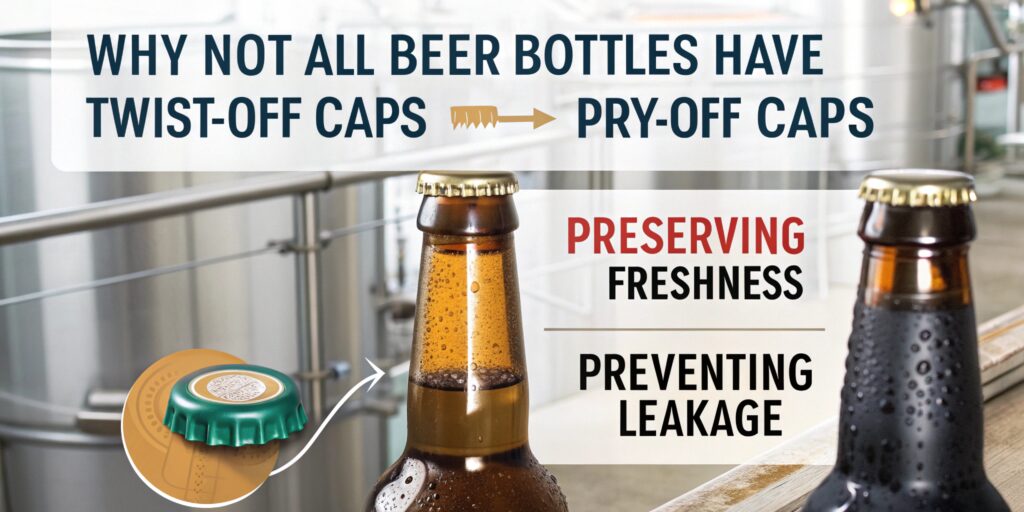
Let's explore the pros and cons of each type of closure.
Twist-Off vs. Pry-Off: The Great Debate
The choice between twist-off and pry-off caps often comes down to a trade-off between convenience and perceived quality.
| Feature | Twist-Off Caps | Pry-Off Caps |
|---|---|---|
| Convenience | Easy to open without a bottle opener. | Requires a bottle opener. |
| Seal | Some argue they may not provide as tight a seal as pry-off caps. | Believed by some to provide a better seal, preserving freshness. |
| Cost | Generally less expensive than pry-off caps. | Can be more expensive due to the manufacturing process. |
| Consumer Perception | Seen as more convenient and modern. | Associated with tradition and higher quality by some consumers. |
I've heard brewers argue passionately about the superiority of pry-off caps, claiming they provide a more reliable seal and prevent oxygen ingress. While twist-off caps offer convenience, some brewers believe the traditional pry-off method is essential for preserving the integrity of their beer.
Why Did They Stop Using Stubby Beer Bottles?
Do you remember those short, squat beer bottles? They're not as common anymore.
Stubby beer bottles, once popular, were phased out due to factors like higher production costs, inefficient stacking and shipping, and changing consumer preferences for taller, sleeker bottles.
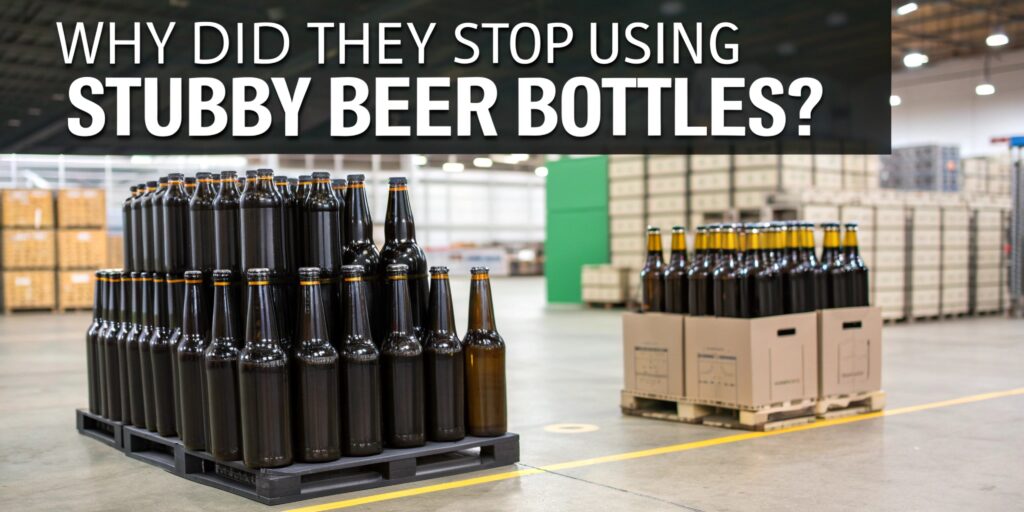
Let's explore the reasons behind their decline in popularity.
The Rise and Fall of the Stubby
Stubby bottles had their moment, but ultimately, they couldn't compete with the advantages of the long-neck design.
| Factor | Impact | Explanation |
|---|---|---|
| Production Costs | Higher cost per unit compared to standard long-neck bottles. | The unique shape required more glass and a more complex manufacturing process. |
| Shipping Efficiency | Less efficient use of space during transportation and storage. | Stubby bottles didn't stack as neatly as long-neck bottles, leading to wasted space and higher shipping costs. |
| Consumer Preferences | Shift towards taller, more elegant bottle designs. | Consumers began to associate taller bottles with premium or imported beers. |
| Marketing Trends | Brands wanted to differentiate themselves with more visually appealing packaging. | Taller bottles offered more space for labels and branding, allowing companies to create a more impactful presence on store shelves. |
I spoke with a packaging expert who explained that the transition away from stubby bottles was driven by a combination of economic and marketing factors. While stubbies had a nostalgic appeal, they simply weren't as practical or visually appealing as the taller, sleeker bottles that dominate the market today.
Conclusion
Beer bottles have long mouths and a specific shape for good reasons: preserving carbonation, preventing oxidation, and providing a comfortable grip. While bottle designs may evolve over time, the fundamental principles of preserving beer quality remain the same.
My name is Allen, and I'm an expert in filling machine technology at EQS (eqsfilling.com), a leading liquid packaging solution provider based in China. If you're looking for top-quality filling machines for your production line, feel free to reach out to me at [email protected]. We specialize in providing customizable solutions with cutting-edge technology.