Can You Recycle Glass Beer Bottles?
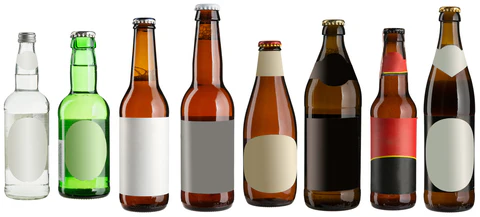
Ever wondered what happens to your empty beer bottles? Can they be recycled, or do they end up in a landfill?
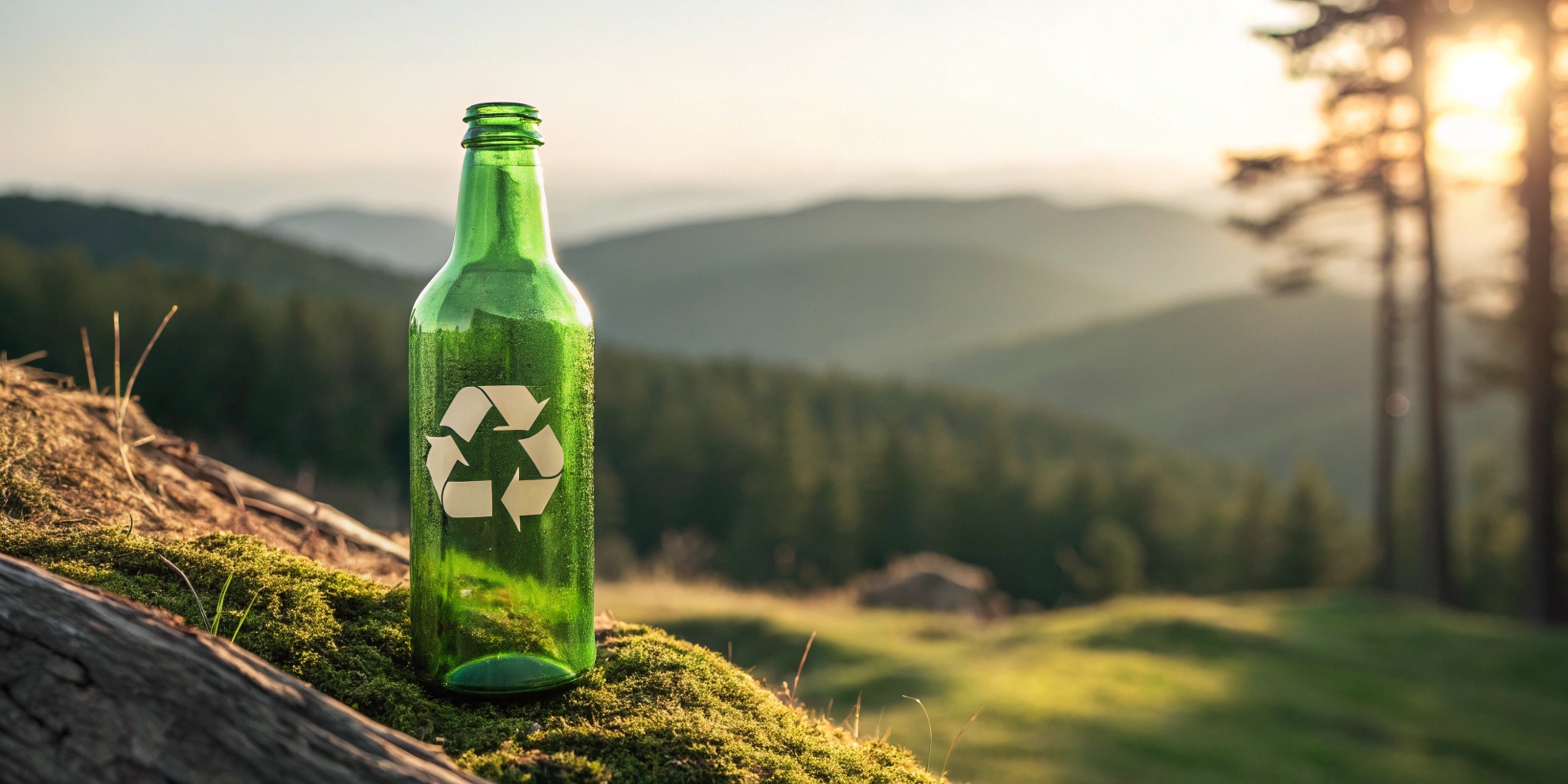
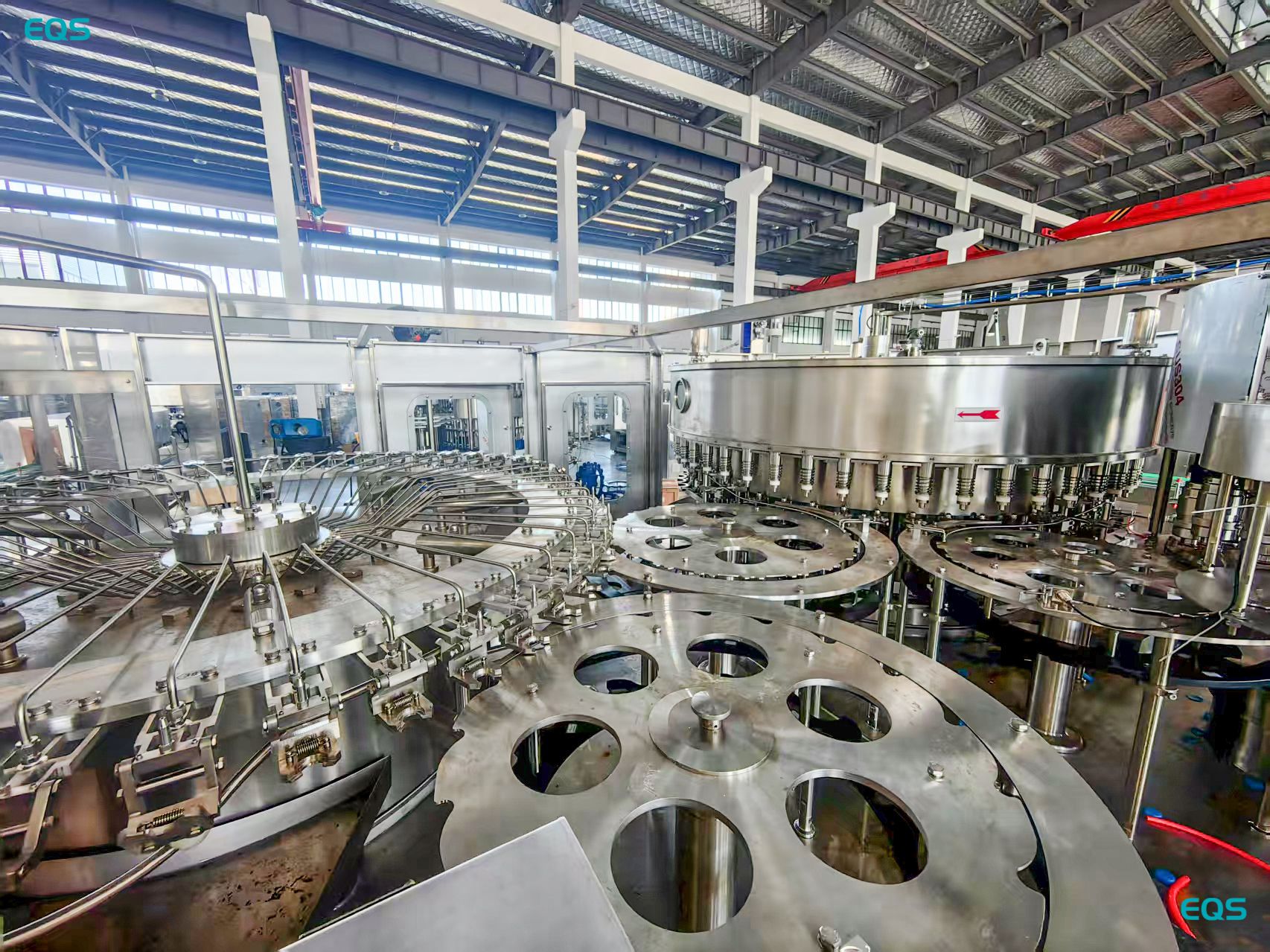
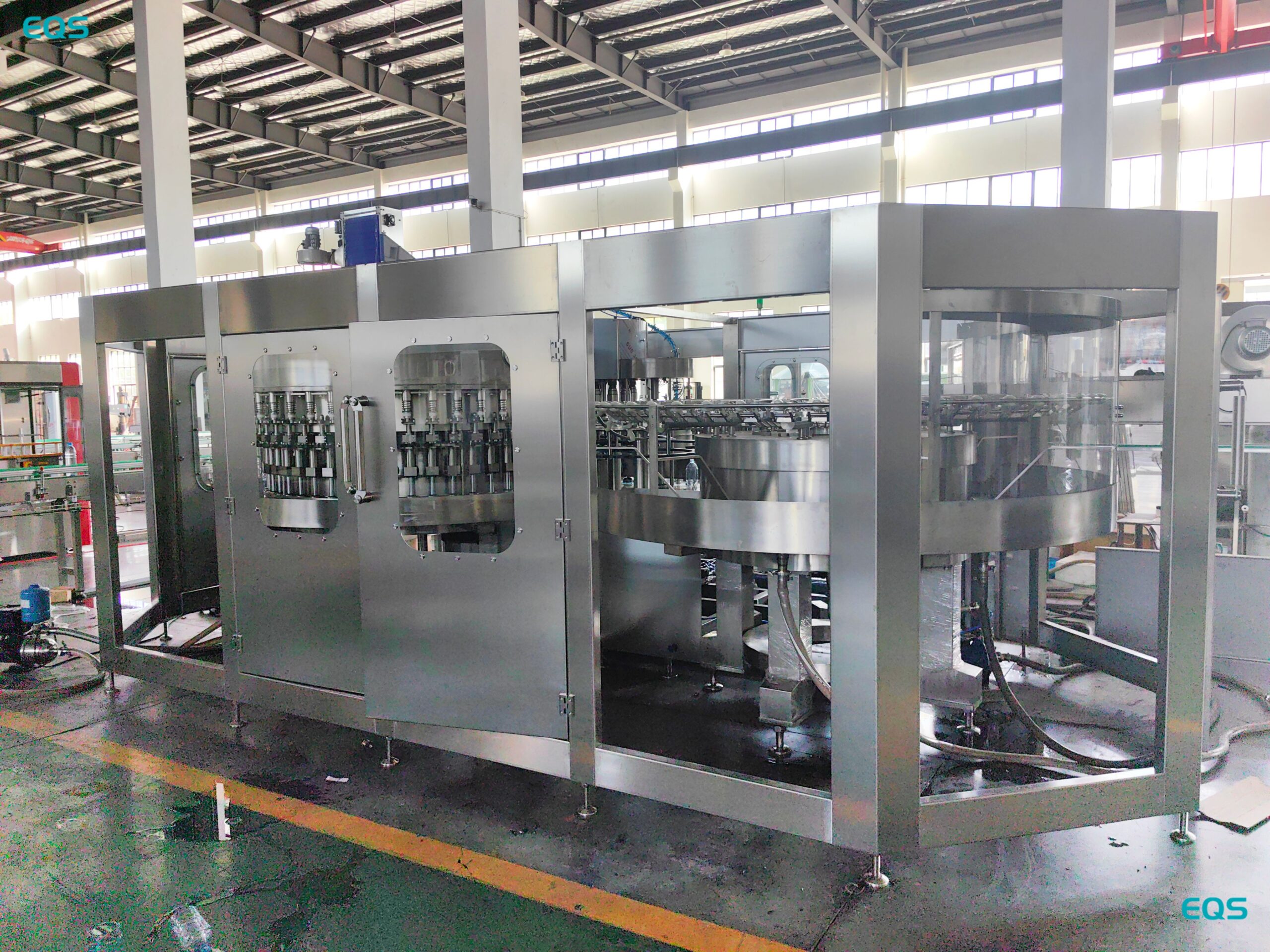
Yes, glass beer bottles are recyclable! They can be cleaned and reused, reducing waste and conserving resources. EQS's bottle washing machine can help with the cleaning process.
Let's explore the world of glass bottle recycling and discover why it's so important.
Why Are Beer Bottles Not Recycled?
You might occasionally hear that beer bottles aren't recycled. But is that really true?
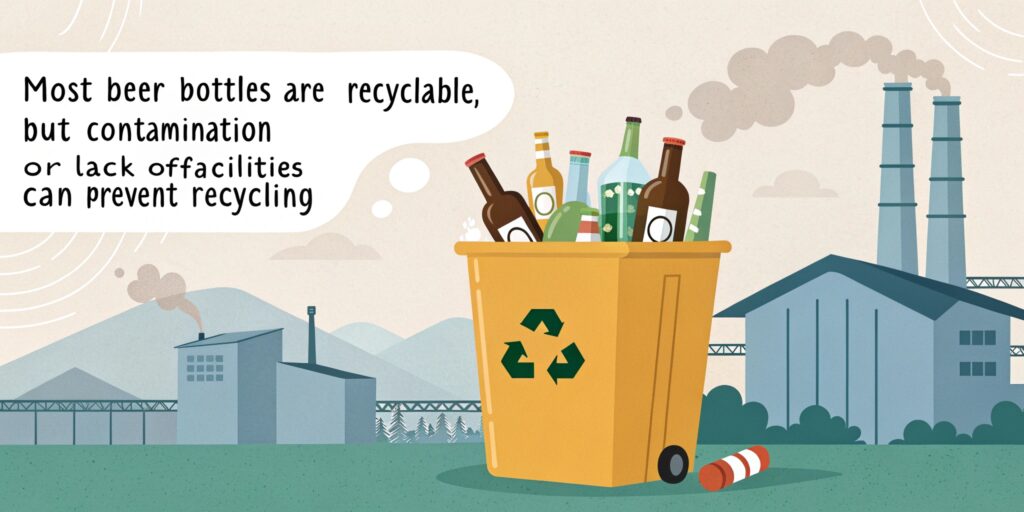
The statement that beer bottles aren't recycled is generally false. Most beer bottles are indeed recyclable. However, sometimes they may not be recycled due to contamination or lack of recycling facilities in certain areas.
Dive Deeper
Here are some reasons why beer bottles might not always be recycled:
- Contamination: If beer bottles are heavily contaminated with food waste or other materials, they may not be accepted for recycling. Contamination can compromise the quality of the recycled glass.
- Lack of Facilities: Not all areas have recycling facilities that accept glass. In some regions, it may be too expensive or logistically challenging to transport glass to recycling centers.
- Broken Glass: Broken glass can be difficult to handle and may pose a safety risk to workers. Some recycling facilities may not accept broken glass for this reason.
- Colored Glass: While most glass can be recycled, some facilities may have limitations on the types of colored glass they accept. Different colors of glass need to be sorted separately to maintain the quality of the recycled material.
- Low Demand: In some cases, there may be low demand for recycled glass, making it less economically viable to recycle beer bottles.
| Reason | Description |
|---|---|
| Contamination | Food waste or other materials make the glass unsuitable for recycling |
| Lack of Facilities | No recycling centers in the area that accept glass |
| Broken Glass | Safety risk and difficulty in handling |
| Colored Glass | Limitations on the types of colored glass accepted |
| Low Demand | Lack of economic incentive to recycle |
What Glass Bottles Are Not Recyclable?
While most glass bottles are recyclable, there are some exceptions. So, what types of glass bottles can't be recycled?
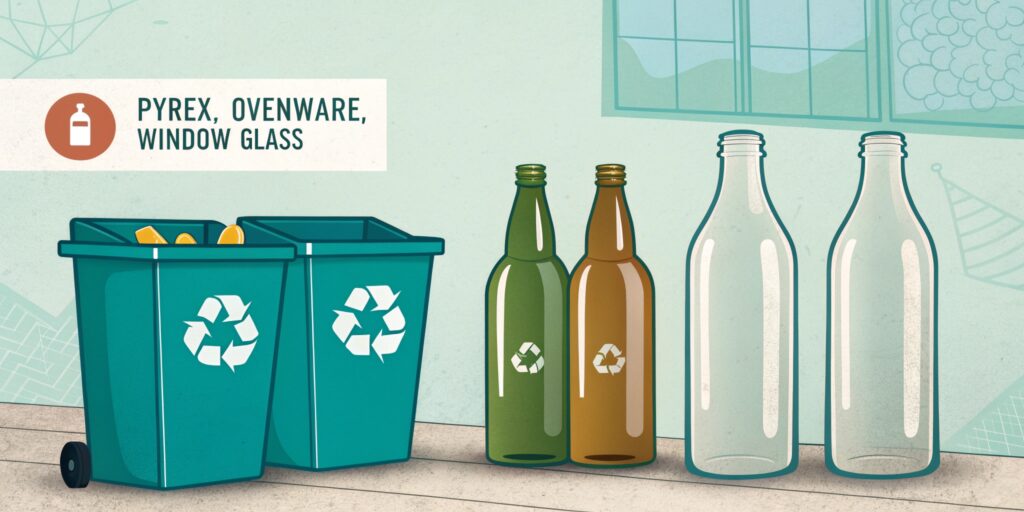
Certain types of glass, such as Pyrex, ovenware, and window glass, are not recyclable because they have different chemical compositions and melting points than standard glass bottles.
Dive Deeper
Here's a list of glass items that are generally not recyclable:
- Pyrex and Ovenware: These types of glass are designed to withstand high temperatures and have a different chemical composition than standard glass bottles.
- Window Glass: Window glass is treated to make it more durable and is not compatible with the recycling process for bottles and jars.
- Mirrors: Mirrors have a reflective coating that can contaminate the recycling process.
- Light Bulbs: Light bulbs contain various materials, including mercury, that make them unsuitable for glass recycling.
- Ceramics and Porcelain: These materials have different compositions and melting points than glass.
| Glass Type | Reason for Non-Recyclability |
|---|---|
| Pyrex and Ovenware | Different chemical composition, high heat resistance |
| Window Glass | Treated for durability, incompatible with standard glass recycling |
| Mirrors | Reflective coating contaminates the recycling process |
| Light Bulbs | Contain various materials, including mercury |
| Ceramics and Porcelain | Different composition and melting points |
Can a Glass Bottle Be Recycled?
Given the various types of glass, can a standard glass bottle be recycled?
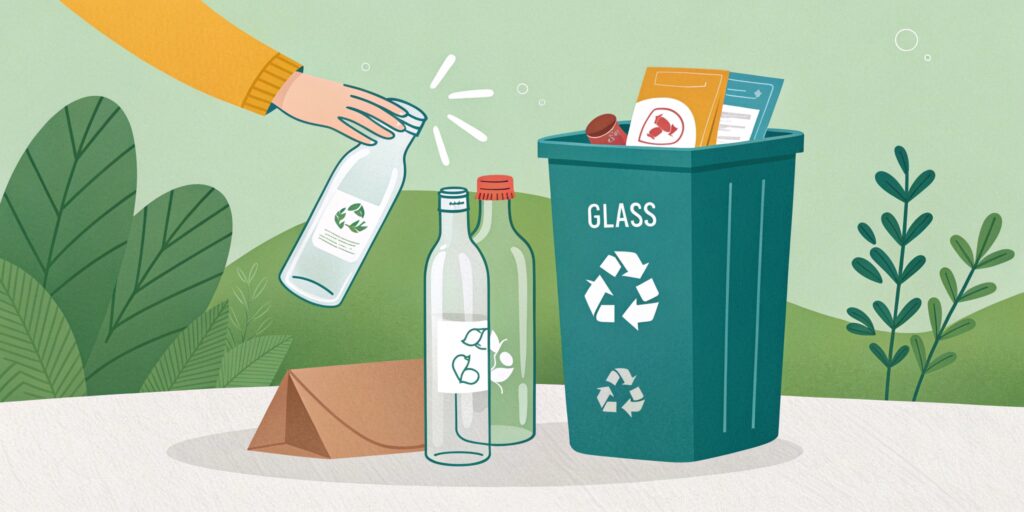
Yes, a standard glass bottle can be recycled. Recycling glass helps conserve natural resources, reduces energy consumption, and lowers greenhouse gas emissions.
Dive Deeper
Here’s why recycling glass bottles is beneficial:
- Conserves Natural Resources: Recycling glass reduces the need to extract raw materials like sand, soda ash, and limestone from the earth.
- Reduces Energy Consumption: Manufacturing new glass from recycled glass requires less energy than making it from raw materials.
- Lowers Greenhouse Gas Emissions: Using recycled glass reduces the emissions associated with mining, transporting, and processing raw materials.
- Decreases Landfill Waste: Recycling glass helps divert waste from landfills, extending their lifespan and reducing environmental pollution.
- Creates Jobs: The recycling industry creates jobs in collection, processing, and manufacturing.
| Benefit | Description |
|---|---|
| Conserves Natural Resources | Reduces the need to extract raw materials from the earth |
| Reduces Energy Consumption | Requires less energy to manufacture new glass from recycled glass |
| Lowers Greenhouse Gas Emissions | Reduces emissions associated with raw material extraction and processing |
| Decreases Landfill Waste | Diverts waste from landfills, extending their lifespan |
| Creates Jobs | Supports employment in the recycling industry |
Are You Supposed to Recycle Glass Alcohol Bottles?
When it comes to recycling, are alcohol bottles treated any differently?
Yes, you are supposed to recycle glass alcohol bottles. Like other glass bottles, they can be recycled to create new products, conserving resources and reducing waste.
Dive Deeper
Here’s what you need to know about recycling glass alcohol bottles:
- Rinse Before Recycling: Empty and rinse alcohol bottles before placing them in the recycling bin. This helps remove any residue that could contaminate the recycling process.
- Remove Caps and Lids: Remove any caps, lids, or corks from the bottles before recycling. These materials are often made of different materials and need to be processed separately.
- Check Local Guidelines: Check with your local recycling program for specific guidelines on glass recycling. Some programs may have restrictions on certain types of glass or require you to sort glass by color.
- Benefits of Recycling: Recycling glass alcohol bottles provides the same environmental benefits as recycling other types of glass, including conserving resources and reducing energy consumption.
- Potential for Reuse: In some cases, glass alcohol bottles may be cleaned and reused by the manufacturer. This practice further reduces waste and conserves resources.
| Guideline | Description |
|---|---|
| Rinse Before Recycling | Removes residue that could contaminate the recycling process |
| Remove Caps and Lids | Different materials need to be processed separately |
| Check Local Guidelines | Ensures compliance with local recycling program requirements |
| Benefits of Recycling | Conserves resources and reduces energy consumption |
| Potential for Reuse | Some manufacturers may clean and reuse bottles, further reducing waste |
Conclusion
Recycling glass beer and alcohol bottles is an easy way to make a positive impact on the environment. So, next time you finish a drink, remember to toss the bottle in the recycling bin!
My name is Allen, and I'm an expert in filling machine technology at EQS (eqsfilling.com), a leading liquid packaging solution provider based in China. If you're looking for top-quality glass bottle washing machines for your production line, feel free to reach out to me at [email protected]. We specialize in providing customizable solutions with cutting-edge technology.