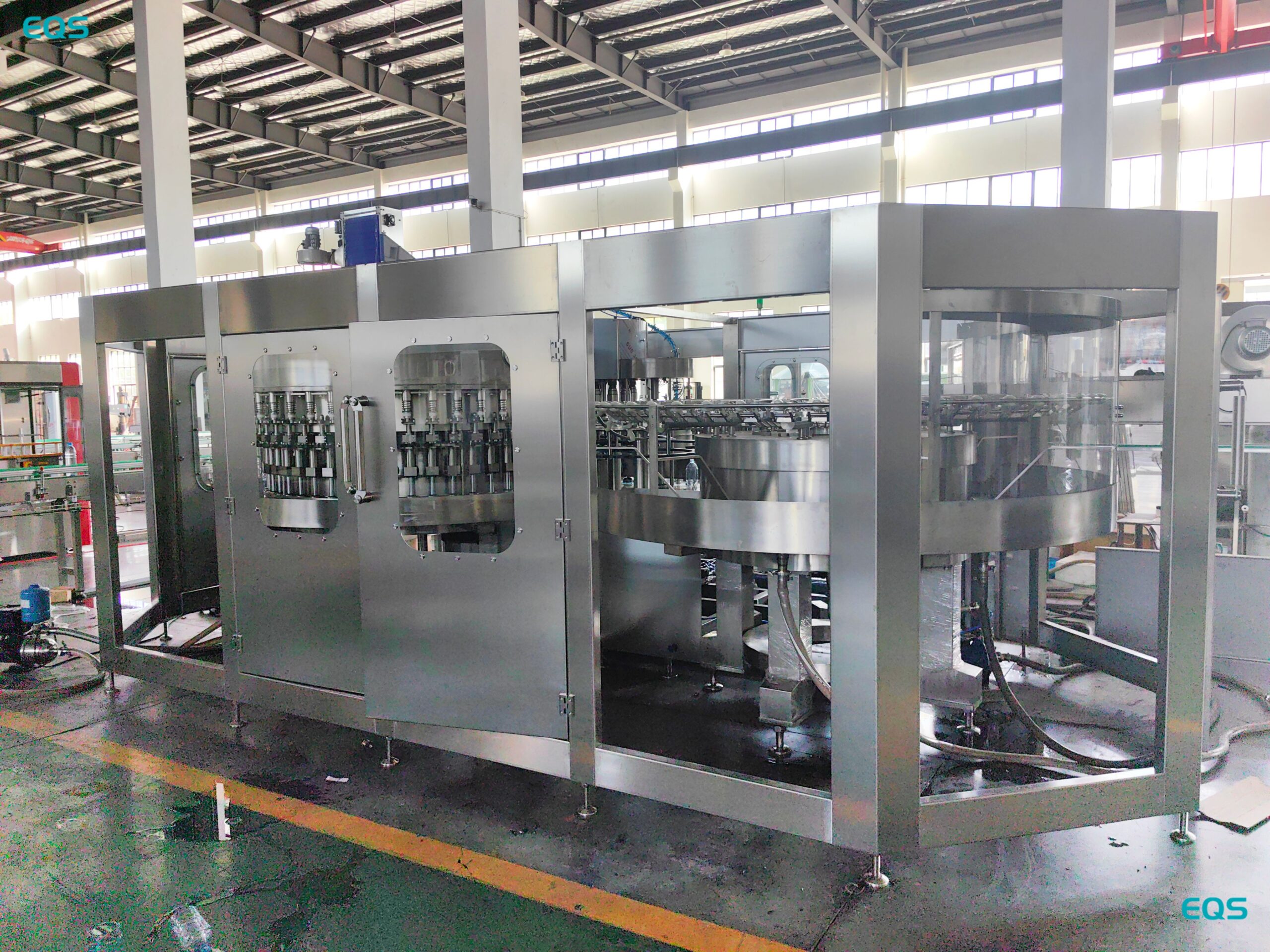
Why is the Drink Bottle Round or Not Square?
Ever wondered why your favorite soda or water comes in a round bottle? It's not just a random choice!
Round bottles are more common because they handle pressure better, are easier to grip, and can be manufactured more efficiently. Square bottles, however, are better for saving space and branding.
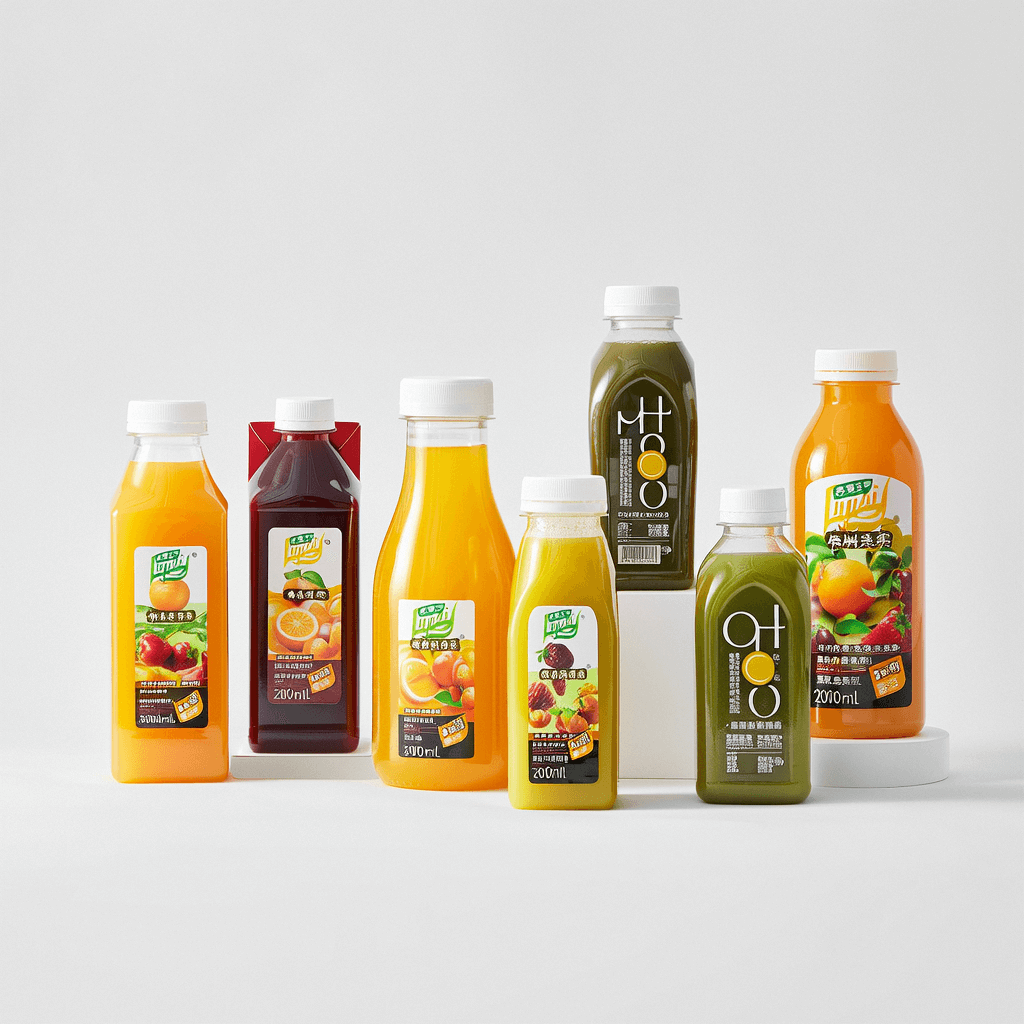
So, why are round bottles so popular? Let's dive deeper and explore the reasons behind this design choice.
Why are Bottles Round and Not Square?
Have you ever thought about why almost all bottles are round? Is it just a tradition, or is there a practical reason?
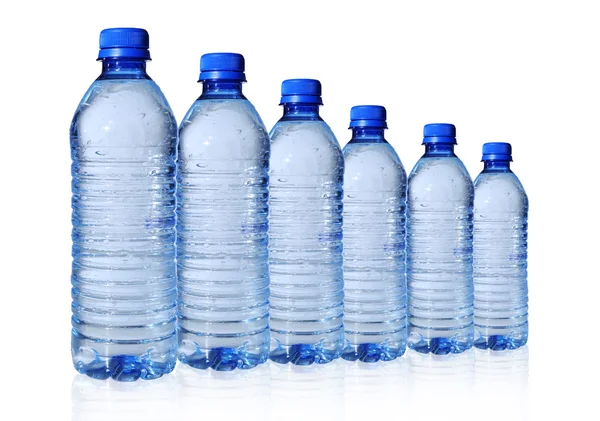
Round bottles are better at distributing pressure evenly, which is important for carbonated drinks. They are also easier to hold and pour from. Plus, round bottles are often more cost-effective to produce!
Dive Deeper
The circular shape of bottles offers several advantages:
- Pressure Resistance: Round bottles can withstand higher internal pressure, which is crucial for carbonated beverages like soda or sparkling water. The absence of corners eliminates weak points where pressure could concentrate and cause the bottle to burst. Square bottles are more prone to damage at the corners because of uneven pressure.
- Ergonomics: Round bottles are generally easier to grip and handle. The curved surface fits comfortably in the hand, making it easier to pour and drink from. Ergonomics is about making things better for people while also reducing their stress and strain. Bottles that are round instead of square are easier to hold.
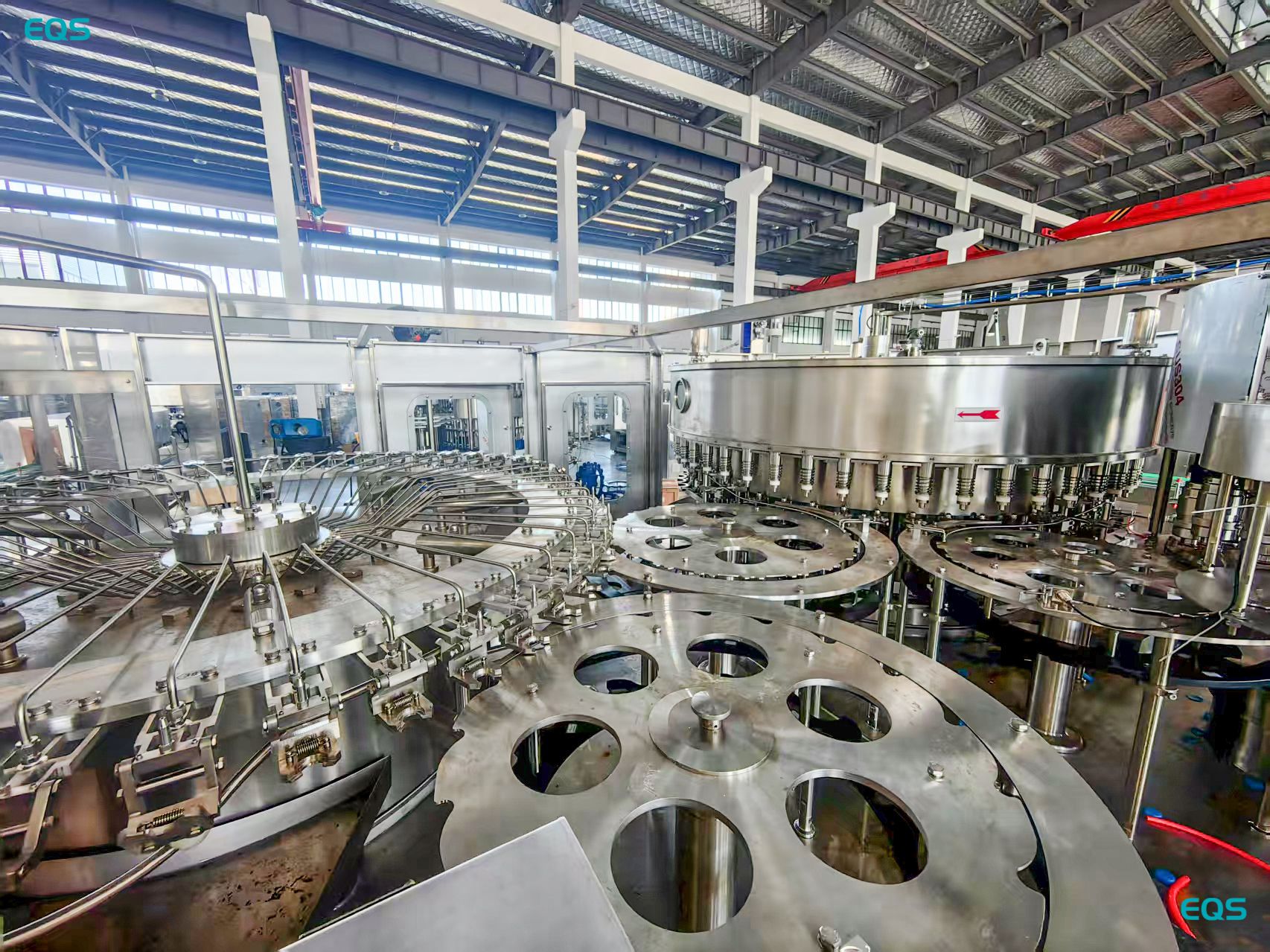
- Manufacturing Efficiency: Round bottles can be manufactured more efficiently using a process called blow molding. This process involves inflating a molten glass or plastic tube inside a mold. The round shape is naturally formed by this process, while creating square bottles requires additional steps and can be more complex.
- Cost-Effectiveness: Due to simpler manufacturing processes and less material usage, round bottles are often more cost-effective to produce than square bottles. Round bottles are also lighter than square ones, which reduces material costs. Factories are also investing in eco-friendly production methods to lower emissions.
| Feature | Round Bottles | Square Bottles |
|---|---|---|
| Pressure Resistance | High, even distribution | Lower, concentrated at corners |
| Ergonomics | Easier to grip and handle | Can be less comfortable |
| Manufacturing | Simpler, more efficient | More complex, potentially more costly |
| Cost | Generally lower production and material costs | Generally higher production and material costs |
Why are Water Bottles Not Square?
We see round water bottles everywhere. But why aren't square water bottles as common?
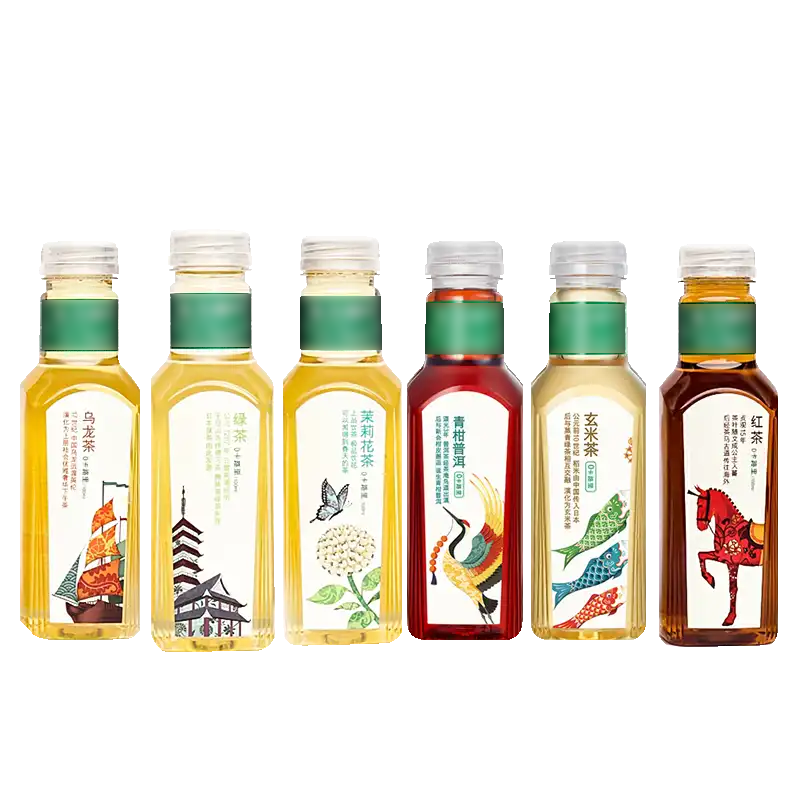
Square bottles aren't as common for water because they are not as strong under pressure and can be more difficult to hold. Round bottles are more practical for single-use water bottles. Square bottles are more suitable for products that need to be stacked efficiently!
Dive Deeper
Square water bottles do exist, but they are less prevalent due to these reasons:
- Stacking and Storage: Square bottles excel in efficient use of space. Their flat sides allow them to be packed tightly together, minimizing wasted space in storage and transportation. This is especially beneficial for retailers and distributors looking to maximize shelf space.
- Branding: Square bottles provide flat surfaces that are ideal for labeling and branding. A surplus of space is necessary on a bottle for branding. The flat surfaces of square bottles offer more labeling space and unique branding opportunities.
- Stability: Square bottles are more stable and less likely to roll around. Products that need to remain stable during transport and on store shelves, such as cleaning solutions or liquid detergents, benefit from the stability provided by square bottles.
However, the disadvantages often outweigh the advantages for water bottles:
- Material Usage: Producing square bottles typically requires more material compared to round bottles of the same volume. This increased material usage translates to higher production costs and a larger environmental footprint.
- Manufacturing Complexity: The manufacturing process for square bottles is more complex than for round bottles. Creating sharp corners and flat surfaces requires specialized equipment and techniques, which can increase production costs and lead to higher defect rates.
- Consumer Preference: Round bottles have a traditional and widely accepted design for water. Rounded bottles have been the most commonly used bottle shapes for hundreds of years.
| Feature | Round Bottles | Square Bottles |
|---|---|---|
| Space Efficiency | Less efficient | More efficient |
| Branding | Limited flat surface | Ample flat surfaces |
| Stability | Can roll easily | More stable, less likely to roll |
| Material Usage | Generally less material | Generally more material |
| Manufacturing | Simpler, lower cost | More complex, higher cost |
What is the Difference Between Square and Round Water Bottles?
So, we know that both shapes have their pros and cons. But what are the key differences between square and round water bottles?
The main differences are in space efficiency, strength, and how easy they are to hold. Square bottles save space, while round bottles are stronger and often more comfortable to grip.
Dive Deeper
Here's a breakdown of the key differences:
- Shape and Design: Round bottles have a cylindrical shape, while square bottles have flat sides and sharp edges. The shape can be a user preference but a pivotal point in the difference. The exceptional curved shape with an elongated neck knocks out everyone. Square bottles have equal borders from all four sides.
- Space Utilization: Square bottles are more space-efficient, allowing for tighter packing and storage. Square HDPE bottles excel in space optimization and stability.
- Structural Integrity: Round bottles distribute pressure more evenly, making them stronger and less prone to damage from impacts. The roundness of the bottle generally aids in balancing the pressure on the surface.
- Ergonomics: Round bottles are generally more comfortable to hold due to their curved surface. Round shaped bottles are more ergonomic to hold than their square counterparts.
- Manufacturing Process: Round bottles are typically manufactured using blow molding, while square bottles may involve more complex processes. Round glass bottles are produced through a process called blow molding, where a molten glass tube is inflated into a mold.
| Feature | Round Bottles | Square Bottles |
|---|---|---|
| Shape | Cylindrical | Flat sides, sharp edges |
| Space Efficiency | Lower | Higher |
| Structural Integrity | Higher | Lower |
| Ergonomics | Generally more comfortable | Can be less comfortable |
| Manufacturing | Simpler | More complex |
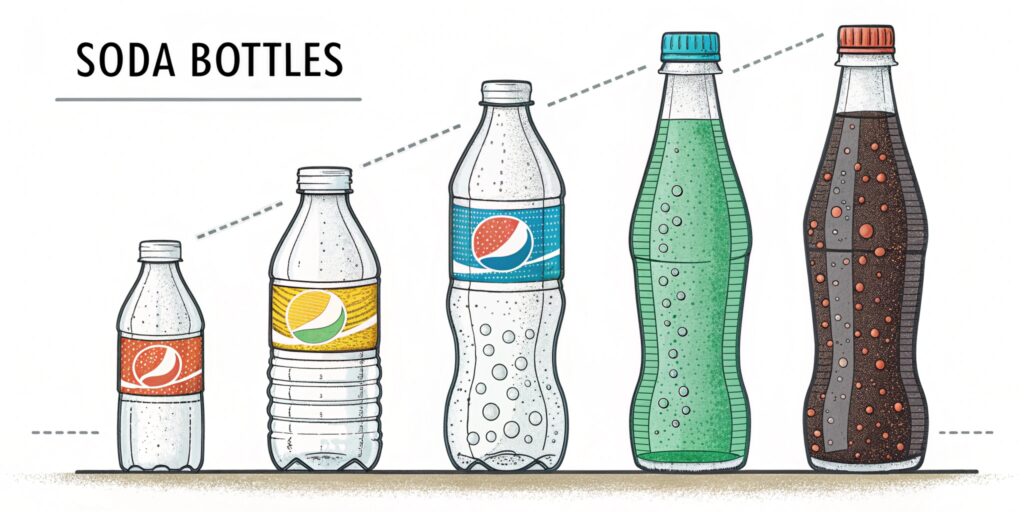
Why are Soda Bottles Shaped the Way They Are?
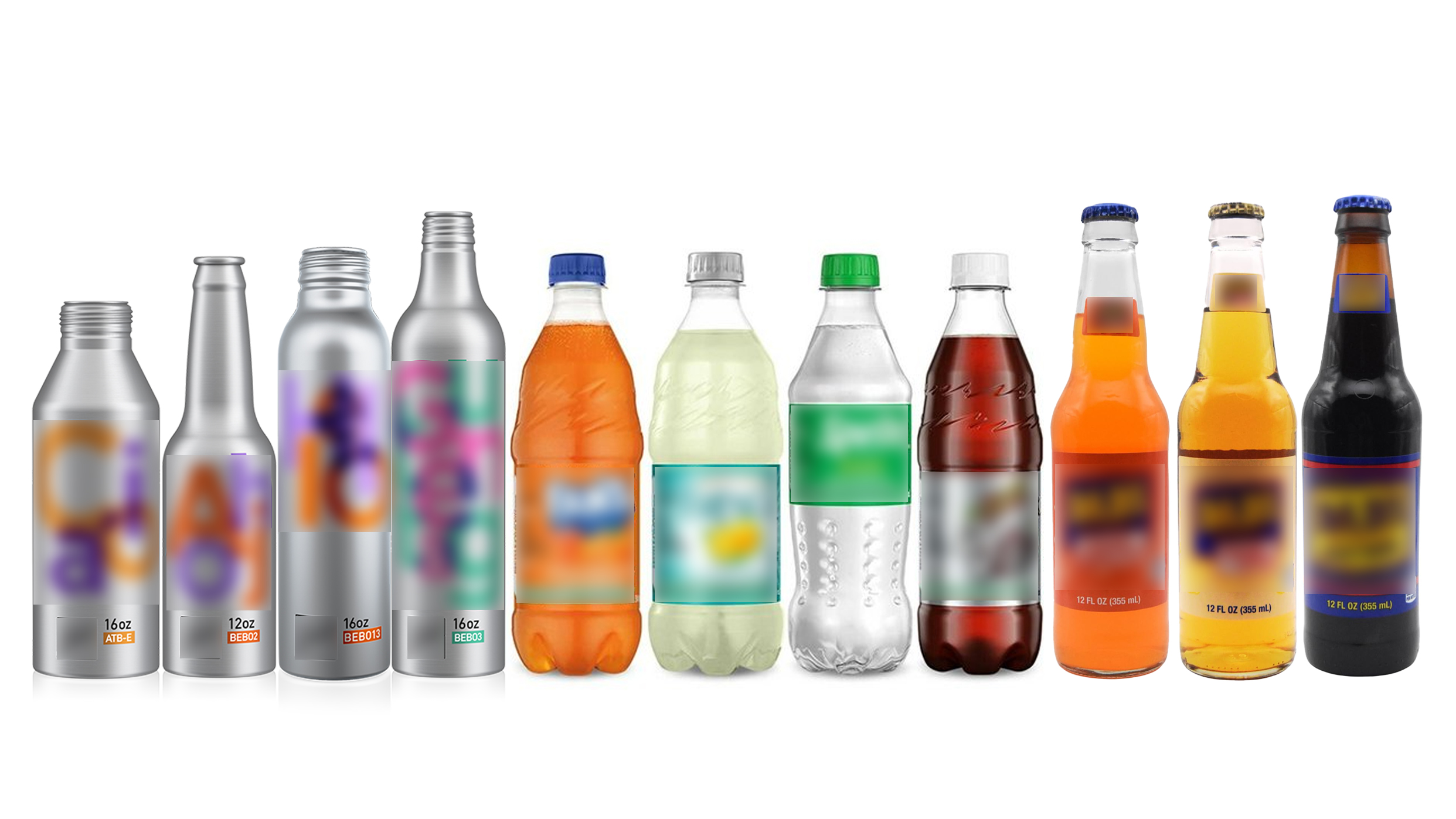
Have you ever noticed the different shapes of soda bottles? Why aren't they all the same?
Soda bottles are shaped the way they are to withstand pressure, provide a good grip, and stand out on the shelf. The specific shape often depends on the brand and the type of soda.
Dive Deeper
The shapes of soda bottles are influenced by several factors:
- Pressure Resistance: Carbonated beverages generate internal pressure. Bottles need to be strong enough to contain this pressure without bursting.
- Brand Identity: Unique bottle shapes help brands differentiate themselves from competitors and create a memorable visual identity. The geometric shape with the lines and patterns drawn on the surface skyrocket the appearance.
- Manufacturing Constraints: The manufacturing process also plays a role in determining bottle shapes. Blow molding allows for a wide variety of shapes, but certain designs may be more cost-effective to produce than others.
- Ergonomics: Bottles are designed to be easy to hold and pour from. The design of soda bottles ensures compatibility with most capping and labeling systems, reducing production time.
- Historical Factors: Some bottle shapes have evolved over time due to regional preferences and traditions. The shape of a bottle has a lot to say about a bottle's age and the product that it held.
| Factor | Influence |
|---|---|
| Pressure Resistance | Requires strong, durable materials and shapes |
| Brand Identity | Drives unique and recognizable designs |
| Manufacturing | Limits the feasibility of certain complex shapes |
| Ergonomics | Dictates comfortable grip and pouring |
| Historical Factors | Shapes influenced by traditions and regional preferences |
Conclusion
Ultimately, the shape of a drink bottle is a balance of practicality, branding, and cost. While round bottles offer strength and ease of handling, square bottles provide space efficiency and unique branding opportunities.
My name is Allen, and I'm an expert in filling machine technology at EQS (eqsfilling.com), a leading liquid packaging solution provider based in China. If you're looking for top-quality filling machines for your production line, feel free to reach out to me at [email protected]. We specialize in providing customizable solutions with cutting-edge technology.