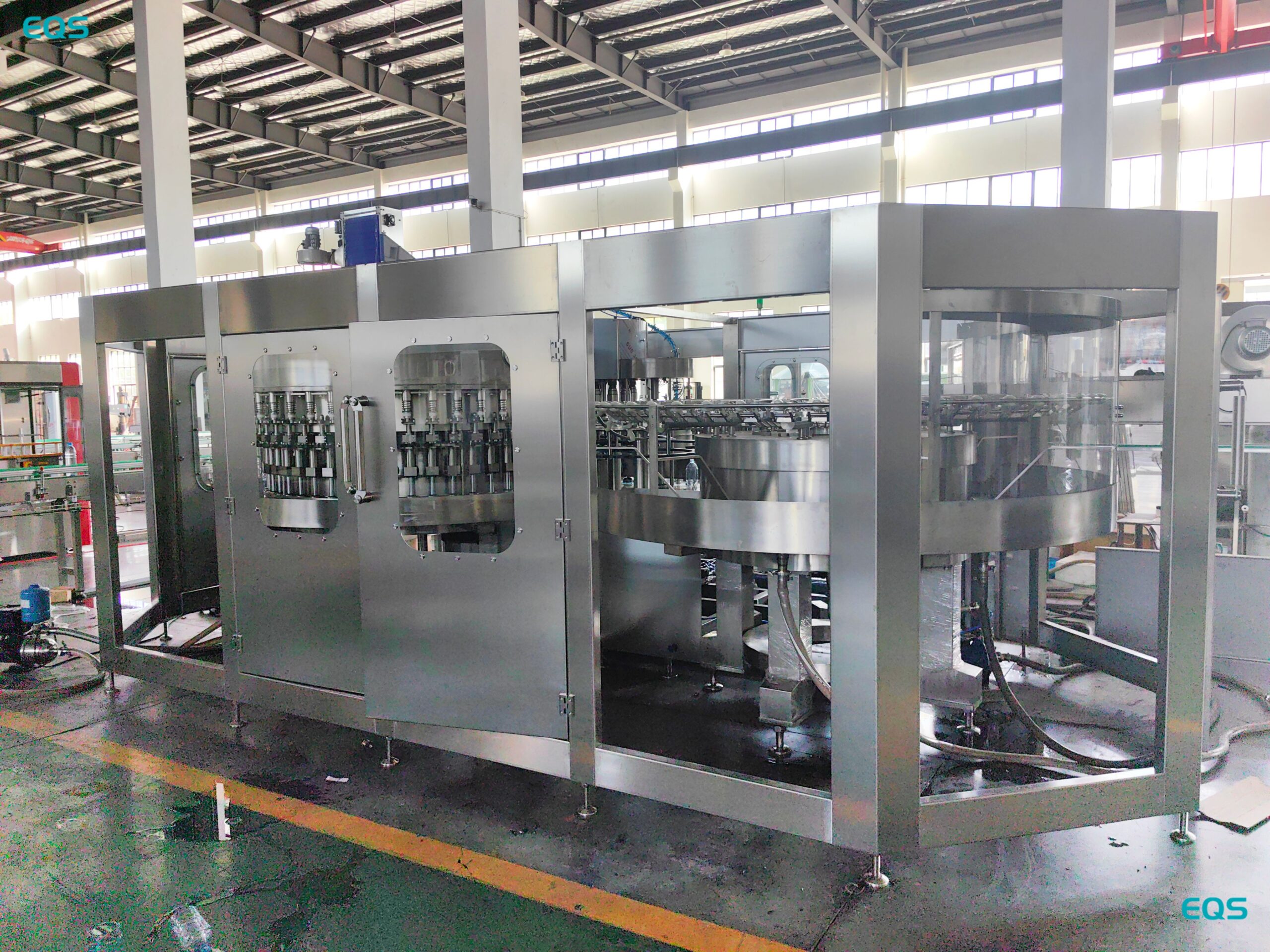
What is a secondary packaging machine?
Leading paragraph:
Ever wondered how products get bundled together after they're individually packaged? That's where secondary packaging machines come in!
Snippet paragraph:
A secondary packaging machine is equipment used to complete the packaging process that comes into indirect contact with the packaged object. It handles external packaging tasks like labeling medicine boxes, boxing beverages, shrink-wrapping, and palletizing.
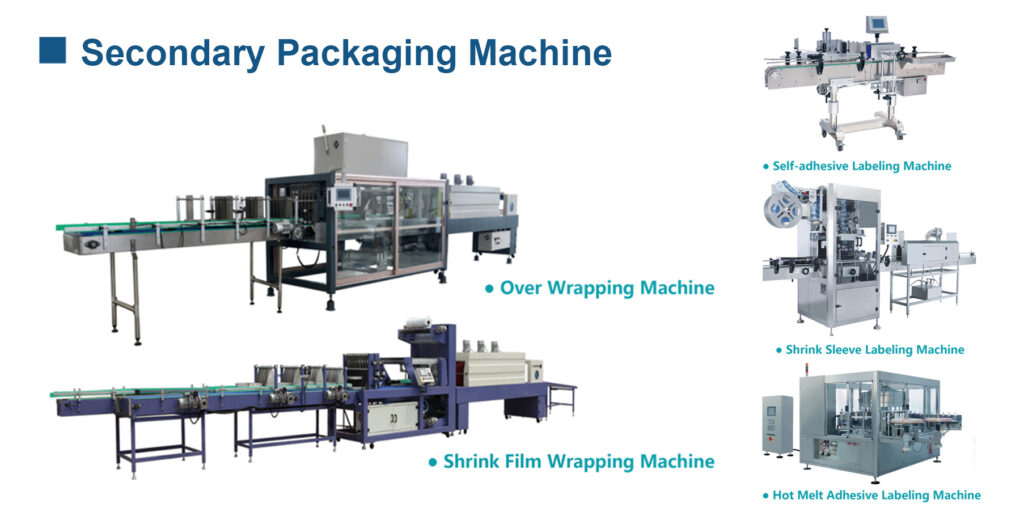
Transition Paragraph:
Let's dive deeper into what secondary packaging is and how it differs from primary packaging.
What is a secondary packaging?
Leading paragraph:
You see it every day, but what exactly is secondary packaging?
Snippet paragraph:
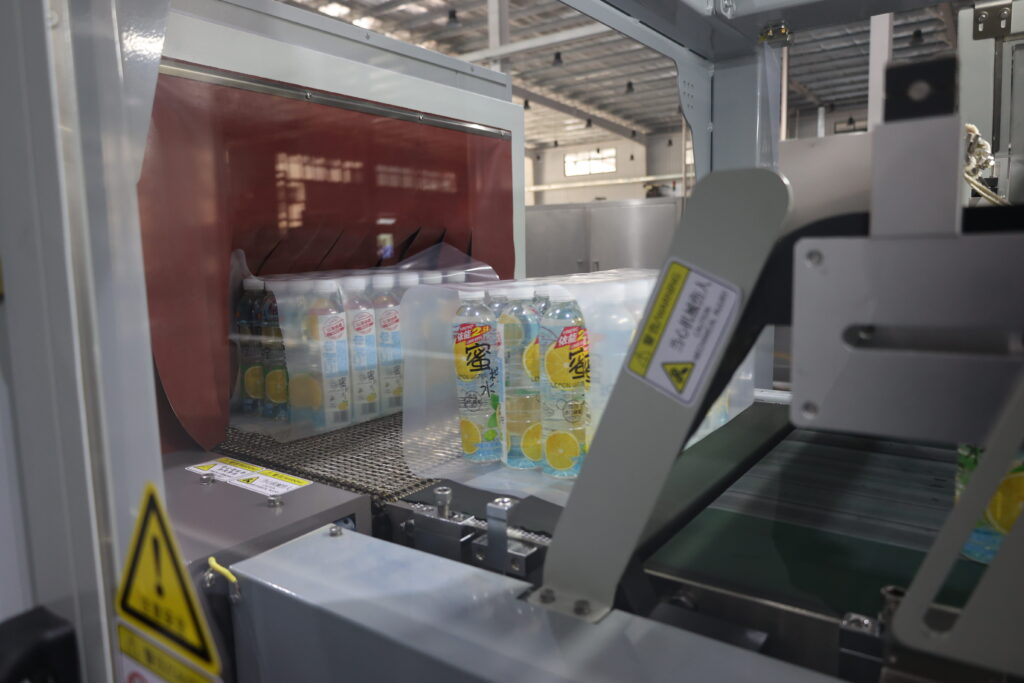
Secondary packaging is the outer layer of packaging that groups together individual, already-packaged products (primary packaging). It provides additional protection, facilitates handling, and prepares products for retail display.
Dive deeper Paragraph:
Think of it this way: if the primary packaging is the wrapper on a candy bar, the secondary packaging is the box that holds a bunch of those candy bars together.
Here's why secondary packaging is important:
- Protection: It provides an extra layer of protection during shipping and handling, preventing damage to the individual products inside.
- Efficiency: It makes it easier to move and store products in bulk. Imagine trying to move hundreds of individual cans of soda versus moving them in neatly packed cases!
-
Branding and Information: It offers additional space for branding, marketing messages, and important product information like nutritional facts or instructions.
At EQS, we understand the importance of efficient secondary packaging. Our machines are designed to streamline your packaging process, reducing labor costs and improving overall efficiency.
What is primary vs secondary food packaging?
Leading paragraph:
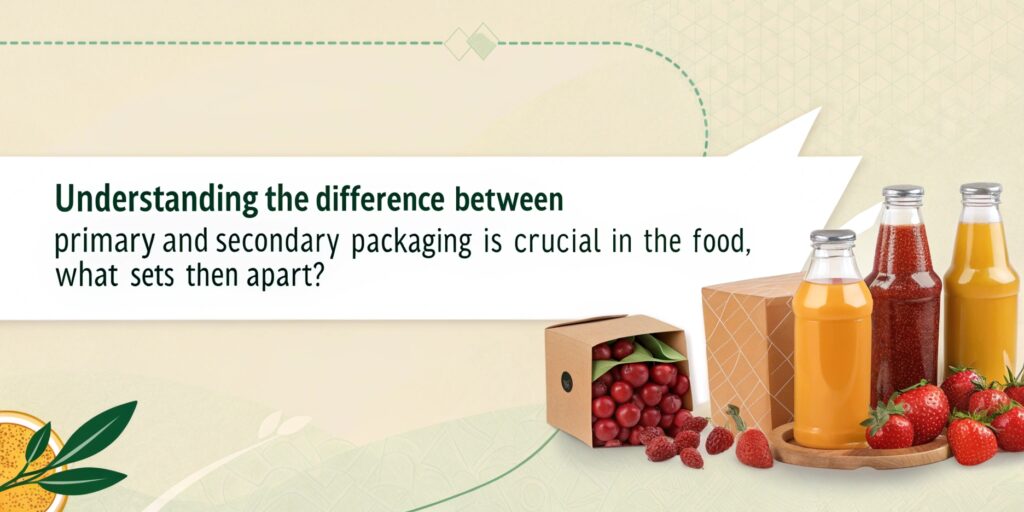
Understanding the difference between primary and secondary packaging is crucial in the food industry. What sets them apart?
Snippet paragraph:
Primary food packaging is the material that directly touches the food, while secondary packaging groups those individual packages together. The primary packaging ensures food safety, and the secondary packaging prepares it for shipping and display.
Dive deeper Paragraph:
Let's break it down with some examples:
- Primary Packaging:
- The plastic wrap around a single cheese slice.
- The can holding a serving of soup.
- The bag containing a bag of potato chips.
- Secondary Packaging:
- The cardboard box that holds multiple individually wrapped cheese slices.
- The shrink wrap that bundles together several cans of soup.
- The cardboard case that holds several bags of potato chips.
Here's a table to highlight the key differences:
| Feature | Primary Packaging | Secondary Packaging |
|---|---|---|
| Contact with Food | Direct contact | Indirect contact |
| Purpose | Protection and containment of the food | Grouping, protection during transit, retail display |
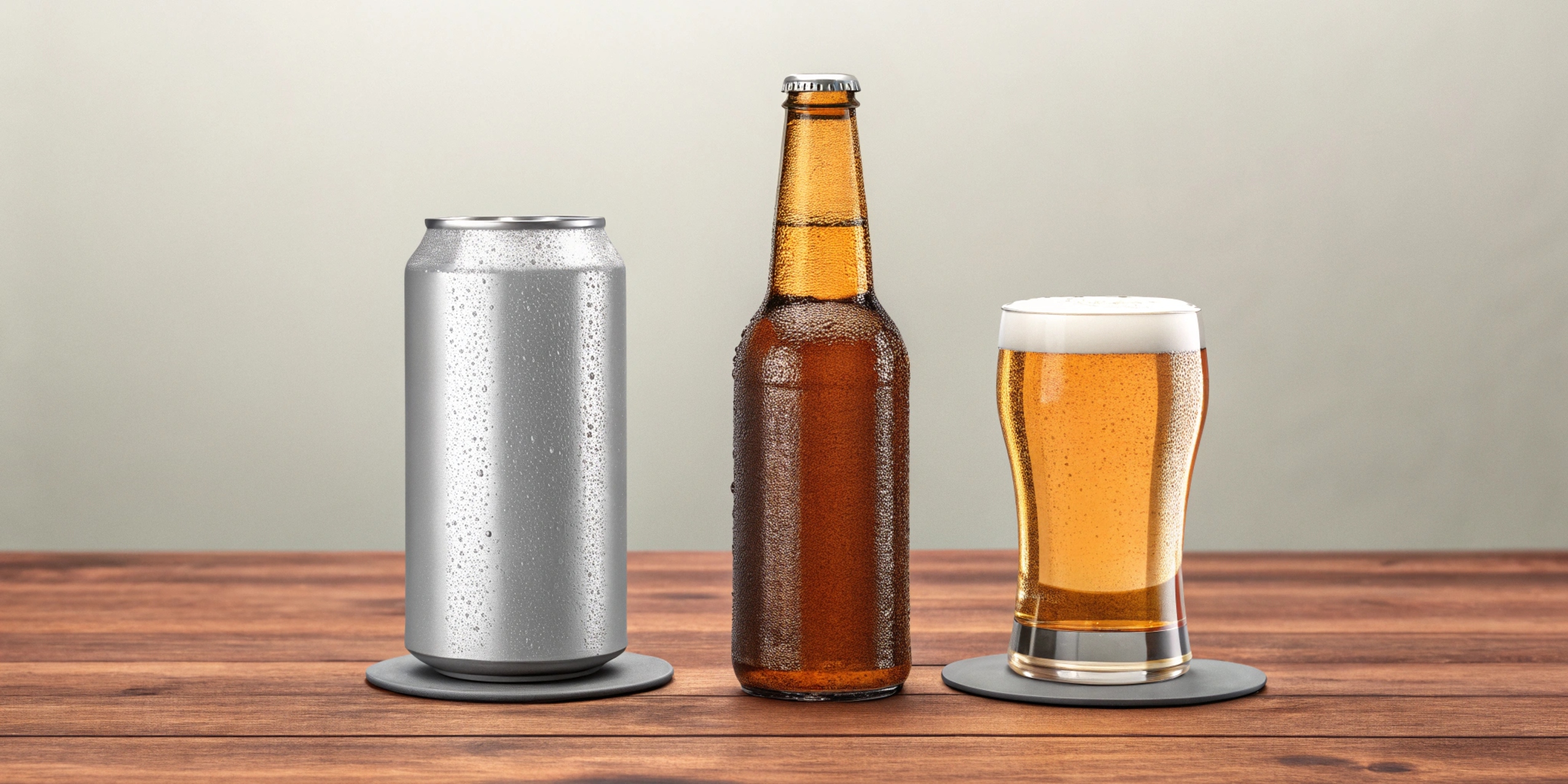
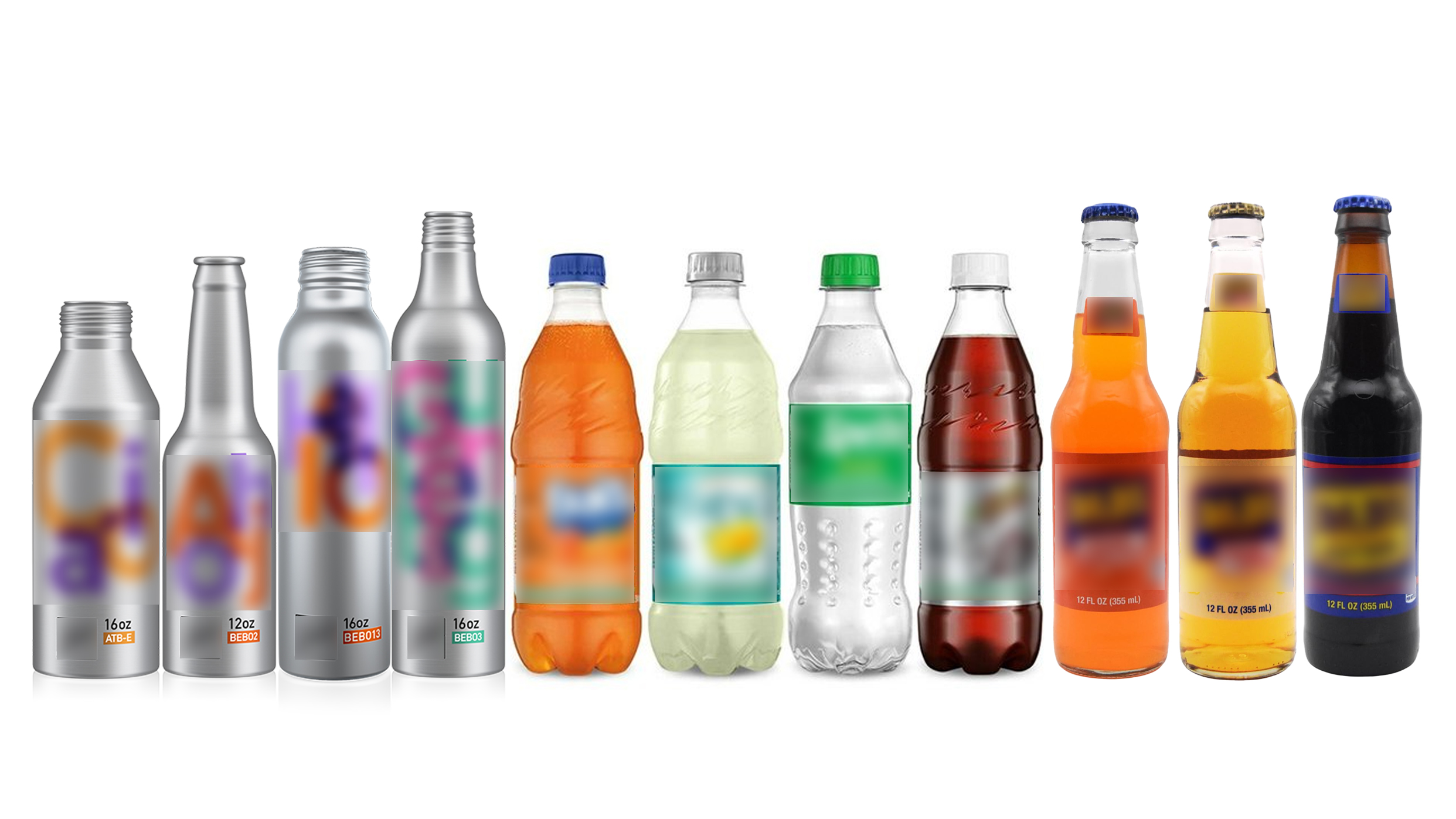
| Examples | Wrappers, cans, bottles, pouches | Boxes, cases, shrink wrap, trays |
Choosing the right secondary packaging is essential for maintaining product integrity and appealing to consumers. We at EQS can help you choose the appropriate machines.Conclusion
Secondary packaging machines are essential for streamlining the packaging process, ensuring product protection, and preparing goods for efficient distribution and retail display.
I'm Allen from EQS (eqsfilling.com), a leading provider of liquid packaging solutions based in Shanghai, China. If you're looking for reliable secondary packaging machines to optimize your production line, don't hesitate to contact me at [email protected]. We offer customizable solutions and top-notch technology to meet your specific needs.