Is it Better to Refill a Glass Bottle Instead of Plastic?
Leading paragraph:
Choosing between glass and plastic bottles can be confusing. Which one is really better for our health and the environment when we refill?
Snippet paragraph:
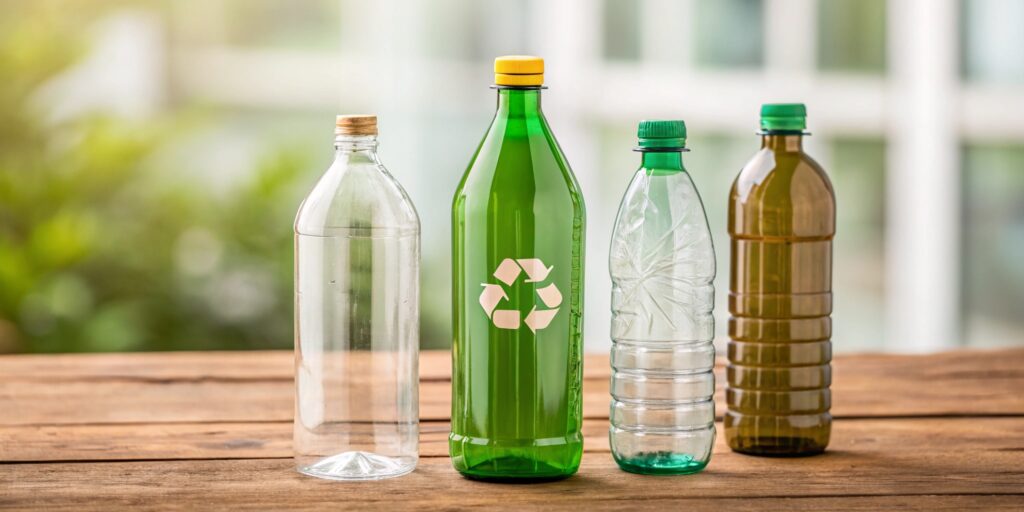
It might surprise you, but refilling a plastic bottle can be better than refilling a glass one. While glass is often seen as the safer option, plastic bottles, especially if recycled properly, can have a lower environmental impact.
Transition Paragraph:
Let's dive deeper into the world of bottles. Keep reading to understand which material truly comes out on top when it comes to refilling.
Is it Healthier to Drink Out of Plastic or Glass?
Leading paragraph:
Worried about what your bottle is made of? Let's see if plastic or glass is the safer choice for your daily hydration.
Snippet paragraph:
Glass is generally considered healthier because it doesn't leach chemicals into your drink like plastic can. However, some plastics are safer than others, so it's important to choose the right type of plastic bottle and keep it clean.
Dive deeper Paragraph:
When it comes to our health, both glass and plastic have pros and cons.
Chemical leaching
One of the main concerns with plastic is that it can release chemicals into the liquids they hold, especially when exposed to heat or repeated use. Some of these chemicals, like BPA and phthalates, have been linked to hormone disruption and other health issues. Glass, being inert, doesn't have this problem, ensuring that your drink remains pure and free from contamination.
Microplastics
Recent studies have found that plastic bottles can release microplastics and nanoplastics into the water. These tiny plastic particles have been linked to various health concerns, including inflammation and potential cardiovascular effects. While research is still ongoing, the presence of these microplastics raises concerns about the long-term health impacts of drinking from plastic bottles.
Bacteria
Both glass and plastic bottles can harbor bacteria if not cleaned properly. However, glass is non-porous and easier to sanitize thoroughly, reducing the risk of bacterial contamination. Plastic, on the other hand, can be more challenging to clean and may retain bacteria even after washing. I always make sure to wash the bottles with warm water and soap.
Why is Refilling a Glass Bottle Better Than Recycling It?
Leading paragraph:
Recycling is good, but is there something even better? Discover why refilling your glass bottle could be a game-changer for the planet.
Snippet paragraph:
Refilling a glass bottle is better than recycling because it saves energy and resources used in the recycling process. Reusing a bottle directly reduces the need to create new ones, minimizing environmental impact.

Dive deeper Paragraph:
When we talk about being eco-friendly, refilling often beats recycling.
Energy conservation
Recycling glass requires melting it down at high temperatures, which uses a lot of energy. Refilling a bottle skips this energy-intensive process, directly reducing your carbon footprint. I always think about the amount of energy that goes into recycling.
Resource preservation
Making new glass bottles requires raw materials like silica sand, which are extracted from the earth. Refilling reduces the demand for these materials, helping to preserve natural resources and minimize environmental damage from mining.
Waste reduction
Even though glass is recyclable, not all of it actually gets recycled. Refilling ensures that the bottle stays in use, preventing it from ending up in a landfill. Plus, the more times you reuse a bottle, the less likely it is to break during transport or processing, further reducing waste. I've found that my glass bottles last longer when I refill them regularly.
Is it Safe to Refill Glass Water Bottles?
Leading paragraph:
Thinking of reusing that glass bottle? Let's check if it's a safe practice for your health and well-being.
Snippet paragraph:
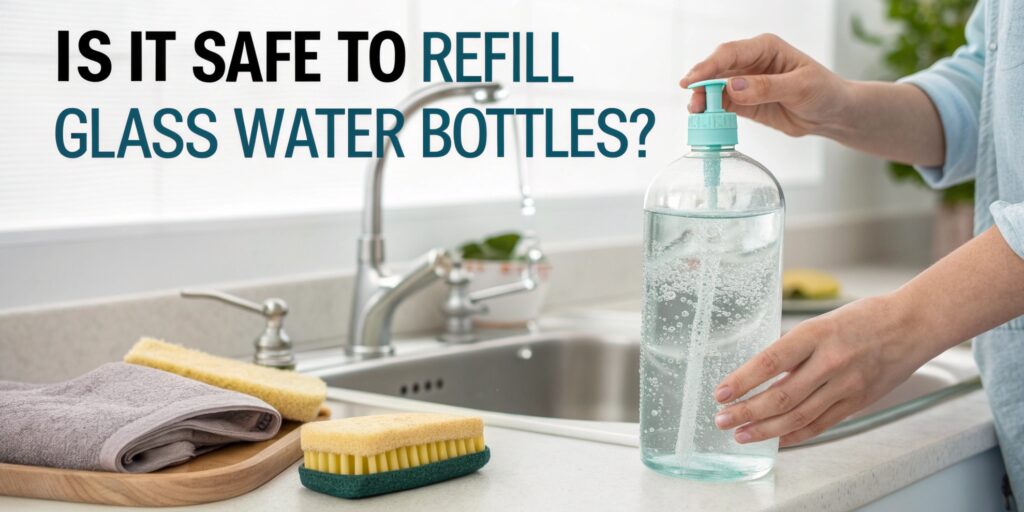
Yes, it is generally safe to refill glass water bottles as long as you clean them regularly and properly. Glass is non-porous, making it easy to sanitize and preventing the buildup of harmful bacteria.
Dive deeper Paragraph:
Keeping your glass water bottle clean is key to safe refilling.
Regular cleaning
Wash your glass bottle with hot, soapy water every day. Use a bottle brush to scrub all surfaces, including the bottom and sides. This helps remove any residue or bacteria that may have accumulated during use. I make it a part of my daily routine to clean my bottles.
Proper sanitization
To kill any remaining bacteria, sanitize your glass bottle regularly. You can do this by boiling it in water for a few minutes or using a dishwasher with a sanitizing cycle. Another option is to rinse the bottle with a solution of vinegar and water.
Avoiding contamination
Be careful not to touch the mouth of the bottle with your hands or other surfaces, as this can introduce bacteria. Also, avoid leaving your bottle open for extended periods, as this can allow airborne contaminants to enter.
Is it Better to Store Juice in Glass or Plastic?
Leading paragraph:
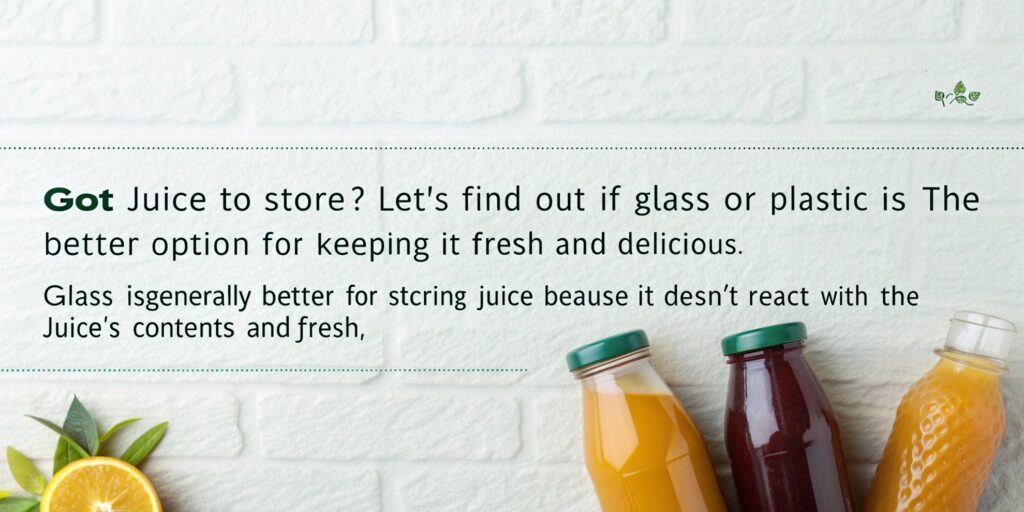
Got juice to store? Let's find out if glass or plastic is the better option for keeping it fresh and delicious.
Snippet paragraph:
Glass is generally better for storing juice because it doesn't react with the juice's contents and helps preserve its freshness, taste, and nutritional value. Plastic can leach chemicals and affect the juice's flavor over time.
Dive deeper Paragraph:
Choosing the right container can make a big difference in how your juice tastes and stays fresh.
Preserving freshness
Glass jars with lids are considered the best containers to store juice. Because glass storage jars with lids are non-reactive and don't easily leach chemicals into juice content especially when exposed to sunlight compared to plastic jars, it is considered the smartest and best choice for preserving beverages.
Preventing oxidation
The airtight seal of glass containers helps to slow down the oxidation process, which can cause the juice to spoil faster. This is especially important for fresh juices that are rich in vitamins and nutrients.
Avoiding chemical leaching
Plastic containers can leach chemicals into your juice, especially if they are exposed to heat or sunlight. Glass is non-porous and doesn't react with the juice, ensuring that it remains pure and free from contaminants. I've noticed a big difference in taste when I store my juices in glass.
Conclusion
While glass seems like the obvious choice, consider the bigger picture. Both glass and plastic have their pros and cons, so making an informed decision is key.
My name is Allen, from EQS Machinery. If you need help with filling machine or beverage production lines, feel free to contact me at [email protected]. As a leading provider of liquid packaging solutions in China, we offer top-quality, customizable equipment to meet your needs.